
Largest Mireo hydrogen train deployment gets 4.8 MW fuel cell boost
Siemens Mobility’s largest Mireo Plus H hydrogen train deployment has secured its fuel cell supply,...
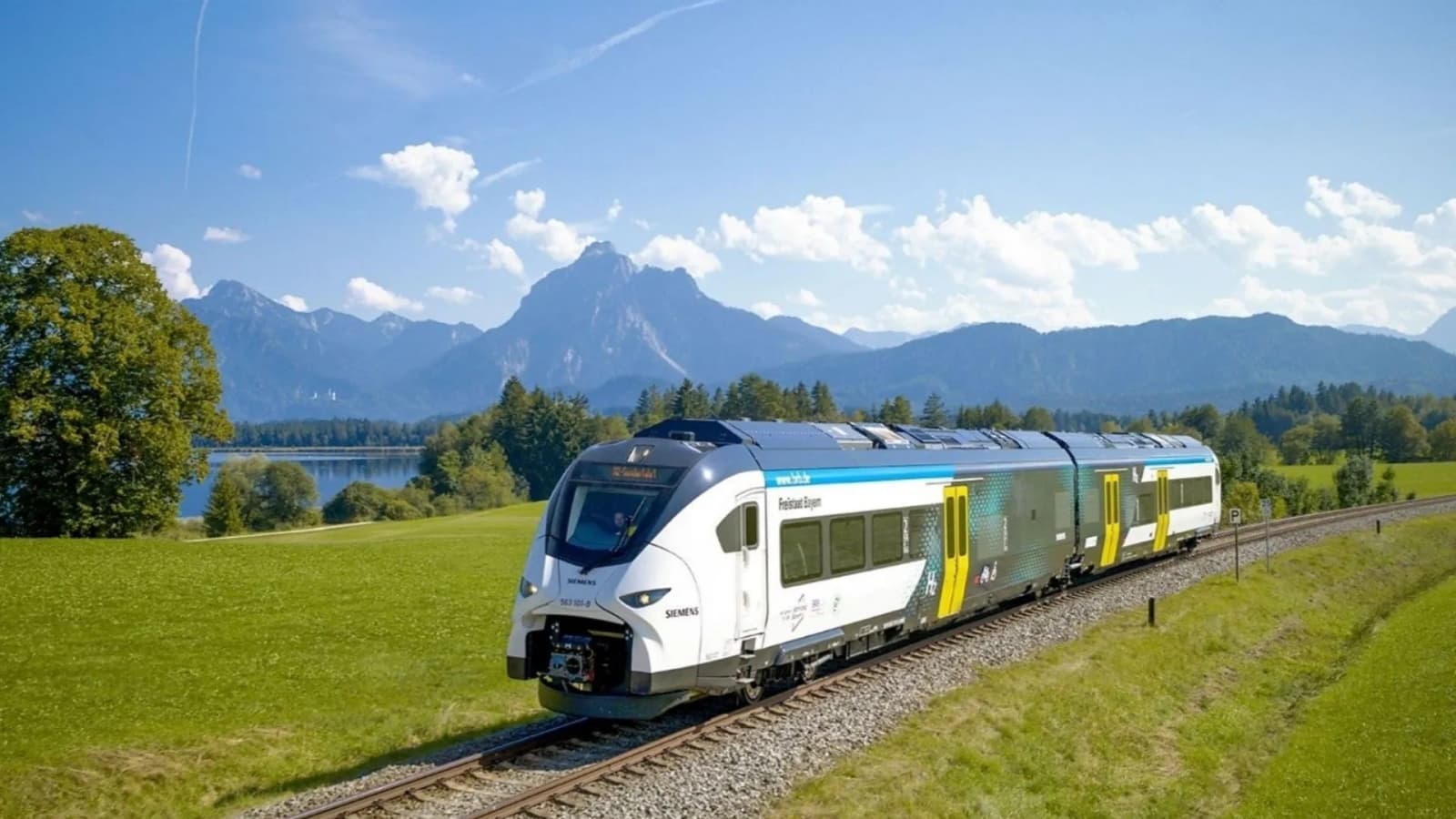
Siemens Mobility’s largest Mireo Plus H hydrogen train deployment has secured its fuel cell supply, with Ballard Power Systems announcing an order for 24 modules totaling 4.8 megawatts.
The order, announced on October 6, covers FCrail fuel cell modules rated at 200 kilowatts each.
They are expected to power 12 hydrogen passenger trains for Romania’s Railway Reform Authority, known as ARF, forming the country’s first hydrogen-powered train fleet.
Fuel cell engine deliveries are scheduled for 2027 and 2028, while passenger service is expected to begin in 2029.
The deployment also marks the Mireo Plus H platform’s first commercial rollout outside Germany and the first fleet of Mireo trains in Eastern Europe.
Largest Mireo Plus H deployment
The 12-train project represents the largest commercial deployment of the Mireo Plus H platform to date, according to Ballard. It expands the platform’s reach following earlier hydrogen train deployments in Germany.
Siemens Mobility ordered the modules as part of its continuing collaboration with Ballard, which supplies the fuel cell engines used by the hydrogen-powered platform.
“With this order, we will introduce our proven and trusted Mireo trains as well as hydrogen- powered rail transport to Eastern Europe,” said Thomas Graetz, Head of Regional and Commuter Rail at Siemens Mobility.
“The 12 Mireo Plus H trains will make up Romania’s first hydrogen-powered train fleet, based on our reliable Mireo platform and the successful deployment of this technology in Germany,” he added.
The planned Romanian fleet brings together the Mireo train platform and Ballard’s rail fuel cell technology for a passenger service deployment beyond the platform’s existing German market.
Fuel cell supply partnership expands
The latest order builds on a multi-year supply commitment established between Ballard and Siemens Mobility in 2022. It deepens that relationship as Siemens expands its hydrogen rail fleet.
Ballard said the project draws on the performance of earlier Mireo Plus H deployments in Germany, including the use of its fuel cell technology in demanding rail operations.
“We are grateful for our partnership with Siemens Mobility and their passionate commitment to expanding zero-emission rail technology across Europe. Together, we are innovating and delivering clean transport solutions that are leading the industry,” said Marty Neese, CEO of Ballard Power Systems, following the announcement of the 24-module order.
“This order is the largest deployment of the Mireo Plus H fleet and we are proud to work side by side with Siemens Mobility to deliver the future – today,” he added.
Hydrogen alternative for diesel routes
According to Ballard, trains powered by its fuel cells offer zero-emission operation, long range, and fast refueling. The company also said they support flexible operation across different routes and environmental conditions.
Ballard described the technology as a one-to-one replacement for diesel engines on non-electrified rail lines. These operating characteristics underpin the companies’ use of fuel cell engines for hydrogen passenger rail.
For the Romanian project, the announced schedule places fuel cell deliveries across two years, ahead of the fleet’s expected passenger service debut in 2029. The order provides the fuel cell supply for all 12 planned trains.
Source: https://interestingengineering.com/transportation/hydrogen-powered-train-fuel-cell-module
Related articles

A week with Googlebooks: four notes from our testing so far
Google's new operating system is off to a rocky start.

Instinct was the buzziest AI agent around — can it survive Muse?
Before there were cute little guys, there was Instinct. In August, the startup got its AI agent to market with an unusual playbook: invite-only, no marketing, and barely so much as a website.
Japan’s new 3,300-ton submarine enters water with advanced stealth technology
Japan’s latest Taigei-class submarine entered the water in Kobe on October 8, bringing the country’s...
‘World-first’ 1 keV fusion milestone set without lasers or superconducting magnets
Scientists have superheated a trapped plasma to more than 12 million degrees Celsius (21.6 million...
Last Energy’s 5 MW pilot microreactor secures safety clearance from US
Last Energy, a commercial developer of the micromodular nuclear reactors in the US has secured...
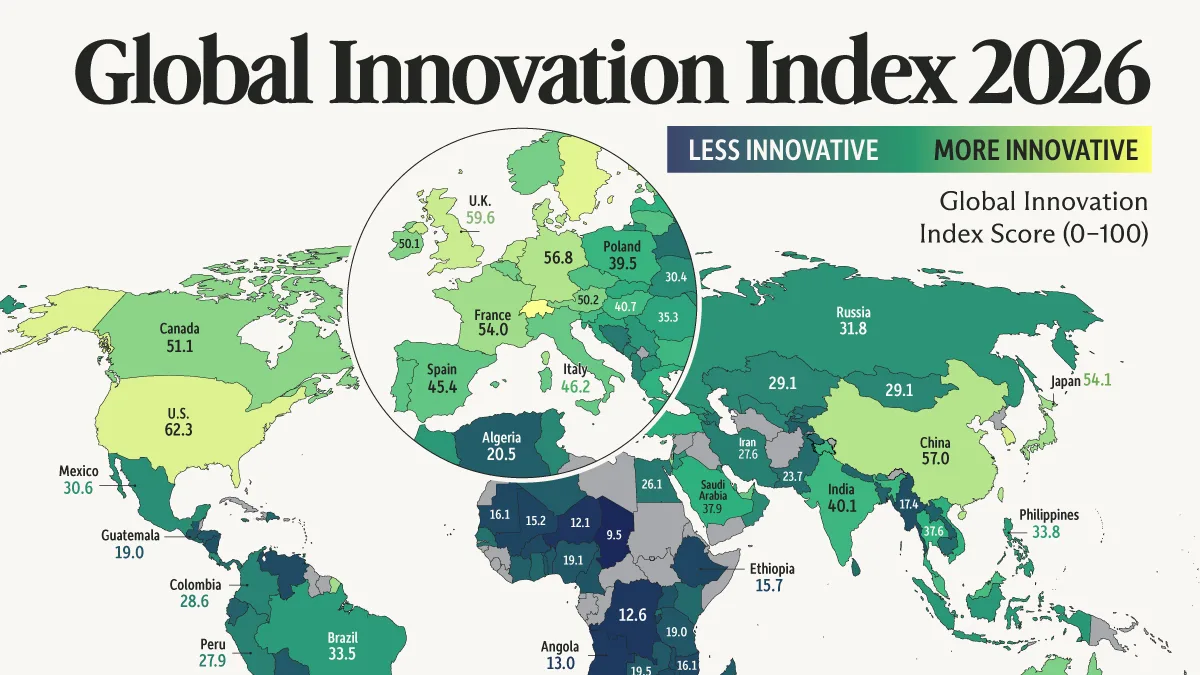
Mapped: The World’s Most Innovative Countries in 2026
Switzerland leads the world’s most innovative economies in 2026, as Europe dominates the top 25 and Asia gains ground.