
Last Energy’s 5 MW pilot microreactor secures safety clearance from US
Last Energy, a commercial developer of the micromodular nuclear reactors in the US has secured...
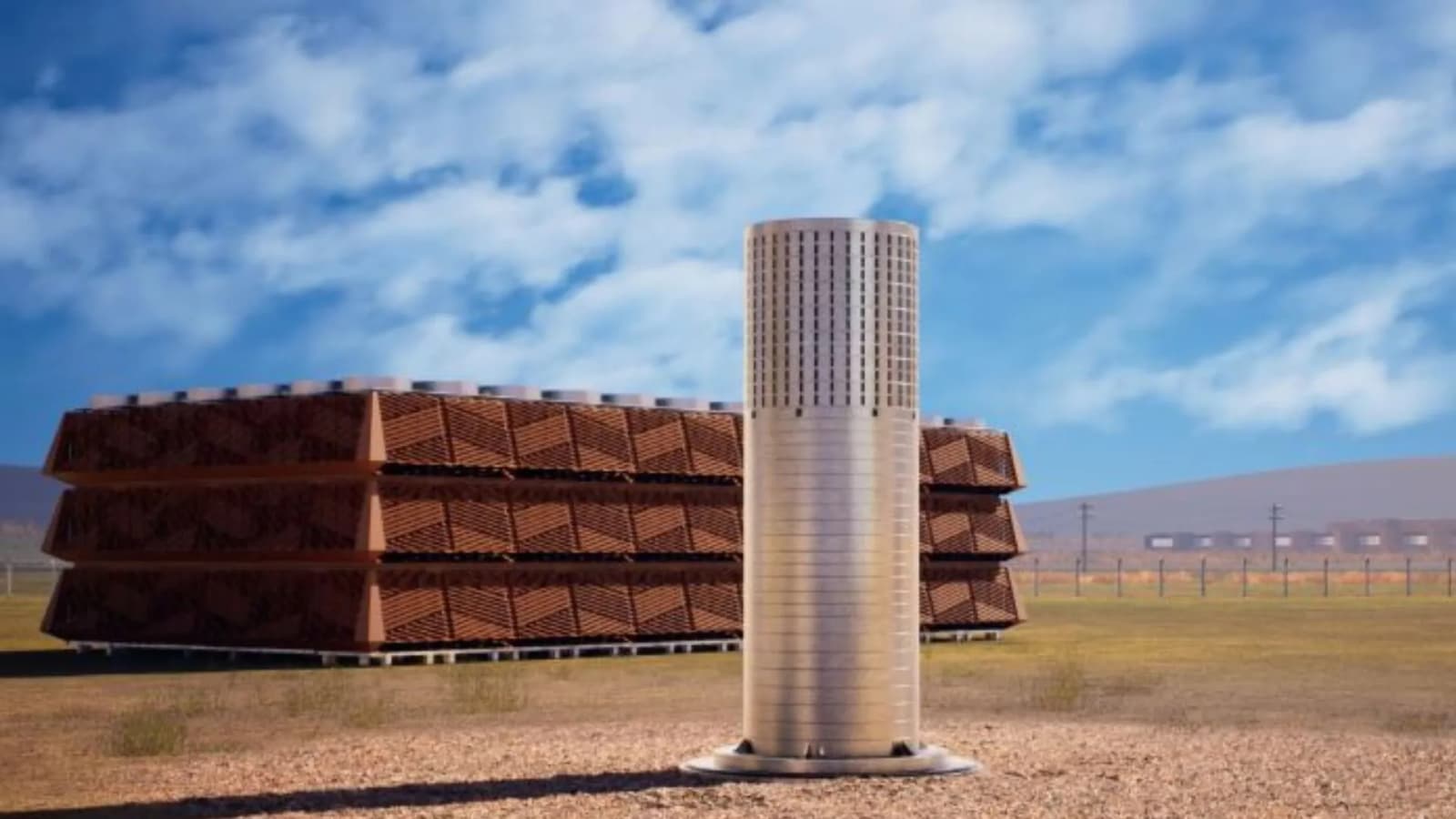
Last Energy, a commercial developer of the micromodular nuclear reactors in the US has secured the Documented Safety Analysis (DSA) for its pilot facility at Texas A&M University’s RELLIS campus. The DSA is the last but one step in the Department of Energy’s (DOEs) review process before it issues startup authorization for reactor criticality and operations.
The need for carbon-free energy has led to a major comeback for nuclear power, promising on-demand supply without emissions. While nuclear energy in the past meant massive setups that were often associated with delays and cost overruns, nuclear energy of the future is looking to build smaller reactors and at scale to keep costs under control.
Small Modular Reactors (SMRs) and micromodular reactors are being designed with the future of nuclear energy in mind. While SMRs can generate upto 300 megawatts (MW) of electricity, microreactors are much smaller structures that generate no more than 20 MW of output.
Last Energy, a commercial spinoff of Energy Impact Center, a clean energy institute based in Washington, DC, is building a pilot facility at Texas A&M RELLIS with a nuclear core that will also feature in its commercial-scale reactors.
Last Energy’s Microreactor
The company’s microreactor uses the proven technology of the pressurized water reactor (PWR) but uses a proprietary steel containment design to hermetically seal it inside a 1,000 ton vault. The approach helps the company fit the reactor compactly in a 114 sq-ft. Nuclear island, not more than a single car parking.
Multiple such nuclear islands can be connected to Last Energy’s factory-built modular steam plant either in sequence or in parallel to scale output or duration of the facility. The reactors use low-enriched uranium (LEU) fuel, which comprises less than five percent uranium, which assures supply for commercial usage.
The company plans to offer full service delivery for the reactor, right from designing it to owning and operating it as an independent power producer, and will work through power purchase agreements to deliver power to data centers and off-grid high-energy industrial sites.
DSA Clearance
In October 2025, Last Energy and Texas A&M University agreed to build a 5 MW microreactor at the university’s RELLIS facility in Bryan, Texas. Dubbed PWR-5, the pilot facility will use the same full-scale reactor core that will power the commercial reactor.
Earlier in August that year, the company was selected in the DOE’s Reactor Pilot Program designed to accelerate reactor demonstrations. In May 2026, the Texas pilot facility completed the Preliminary Documented Safety Analysis (PDSA).
With the recent DSA clearance, the Last Energy has completed the most comprehensive safety analysis for the reactor and the Texas facility, paving the way for the readiness review. This is the final step of the DOE review process, after which it will issue startup authorization for criticality and reactor operations.
All these steps are followed only for the demonstrator reactor. Last Energy will have to follow procedures laid out by the Nuclear Regulatory Commission (NRC) to receive the necessary approvals for the commercial setup it builds in the future.
Source: https://interestingengineering.com/energy/us-last-energy-safety-clearance-pilot-nuclear-reactor
Related articles

A week with Googlebooks: four notes from our testing so far
Google's new operating system is off to a rocky start.

Instinct was the buzziest AI agent around — can it survive Muse?
Before there were cute little guys, there was Instinct. In August, the startup got its AI agent to market with an unusual playbook: invite-only, no marketing, and barely so much as a website.
Japan’s new 3,300-ton submarine enters water with advanced stealth technology
Japan’s latest Taigei-class submarine entered the water in Kobe on October 8, bringing the country’s...
‘World-first’ 1 keV fusion milestone set without lasers or superconducting magnets
Scientists have superheated a trapped plasma to more than 12 million degrees Celsius (21.6 million...
Largest Mireo hydrogen train deployment gets 4.8 MW fuel cell boost
Siemens Mobility’s largest Mireo Plus H hydrogen train deployment has secured its fuel cell supply,...
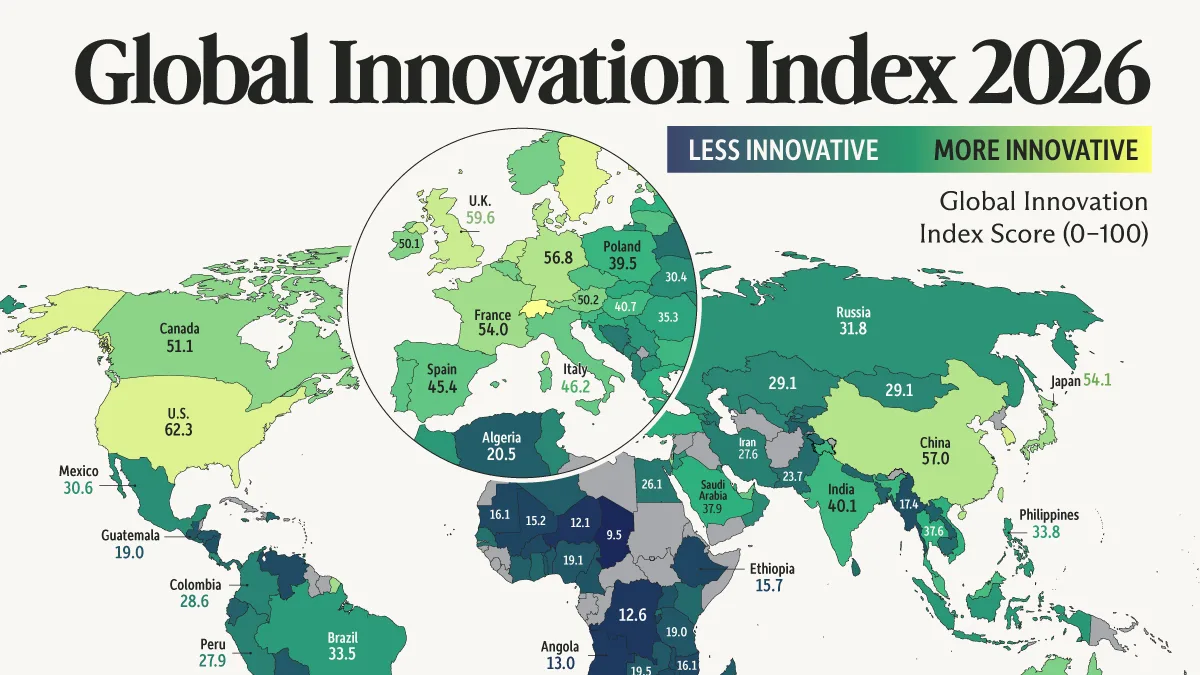
Mapped: The World’s Most Innovative Countries in 2026
Switzerland leads the world’s most innovative economies in 2026, as Europe dominates the top 25 and Asia gains ground.