New deck-mounted launcher could help US Navy warships unleash missiles for longer
BAE Systems has tested a new missile launcher designed to help U.S. Navy ships replenish...
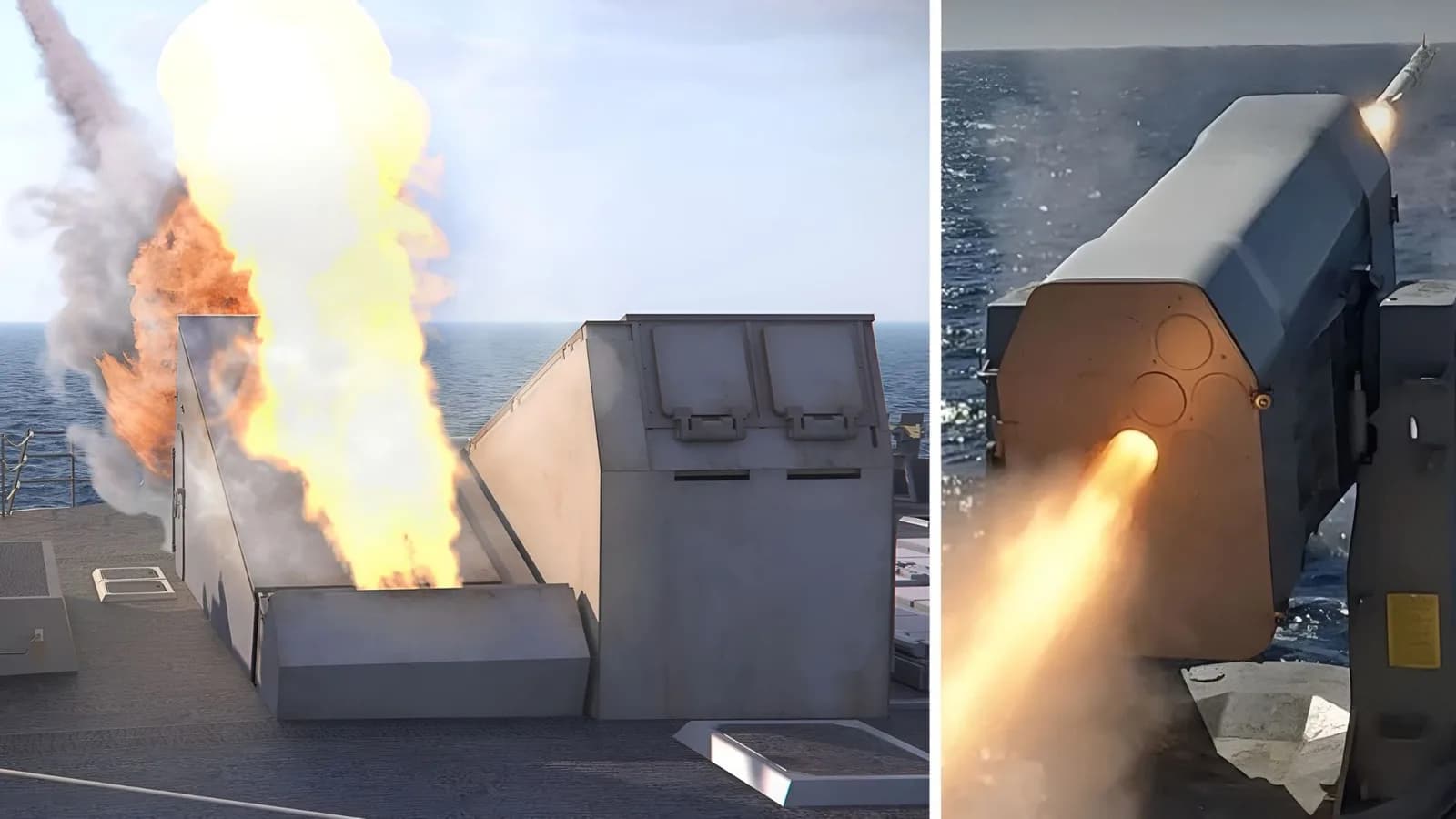
BAE Systems has tested a new missile launcher designed to help U.S. Navy ships replenish their weapons without returning to port. The Adaptable Deck Launcher (ADL) completed its first live-fire demonstration in California on October 27, 2026. The system could give American warships more flexibility when operating far from established naval bases.
The launcher uses existing Mk 41 Vertical Launching System (VLS) technology to simplify integration with established naval equipment. Its design also addresses a persistent challenge for deployed fleets: restoring missile capacity after ships expend their weapons. Faster reloading could help vessels sustain their combat readiness during extended operations.
New approach to missile deployment
Traditional vertical launch systems provide warships with an integrated way to fire missiles from onboard launch cells. However, replenishing those weapons at sea remains a significant logistical challenge. Ships may need specialized facilities or port visits to restore their ammunition supplies.
The ADL offers another option through a deck-mounted configuration. BAE Systems designed the launcher to use the Mk 41 system’s existing logistics and electronics architecture. This approach could reduce the need for entirely separate support infrastructure.
According to BAE Systems, the launcher can accommodate Evolved SeaSparrow Missile (ESSM) Mk 25 quad-pack canisters. Each canister holds four missiles, allowing compatible launch systems to carry multiple interceptors within a single launch cell.
The ESSM provides shipboard defenses against supersonic anti-ship missiles, aircraft, and other aerial threats. Compatibility with these canisters gives the ADL a defined role in existing naval air-defense operations.
Faster reloading for deployed fleets
The launcher’s main advantage lies in its potential to replenish missile stocks more quickly. Ships operating in contested waters could benefit from restoring their firepower without making a dedicated trip back to port.
BAE Systems says the ADL complements the Mk 41 VLS rather than replacing it. The established system remains a central part of naval missile integration, while the new launcher adds another way to sustain ammunition supplies.
Jason Casciotti, vice president of Weapons Systems at BAE Systems, described the live-fire test as a milestone for naval readiness. He said the launcher would give crews more flexibility when maintaining combat loads at sea.
The practical benefits will depend on how the Navy integrates the system into its logistics and operational procedures. The initial demonstration establishes a technical milestone, but further testing and evaluation will determine its broader utility.
Designed for diverse naval platforms
BAE Systems envisions the ADL supporting operations across aircraft carriers, amphibious ships, and other surface combatants. Its modular approach could help the Navy adapt missile deployment capabilities to different ship configurations.
The design also targets unmanned naval platforms. Compact launcher configurations could suit medium-sized unmanned surface vessels, which may offer additional options for distributed maritime operations.
For the U.S. Navy, distributing weapons across more platforms could provide greater flexibility when planning missions and sustaining operations. Unmanned vessels could potentially carry additional missile capacity without requiring the same onboard crew arrangements as conventional warships.
Developed under a U.S. Department of War contract for the NATO Seasparrow Project Office, the ADL expands the options available for naval missile deployment. Its longer-term value will depend on demonstrated reliability, compatibility, and the Navy’s assessment of its reloading capabilities.
Related articles