
Nuclear microreactors targeted to power US defense, advanced computing systems
US-based technology company NANO Nuclear Energy has teamed up with nuclear infrastructure integrator IP3 Corporation...
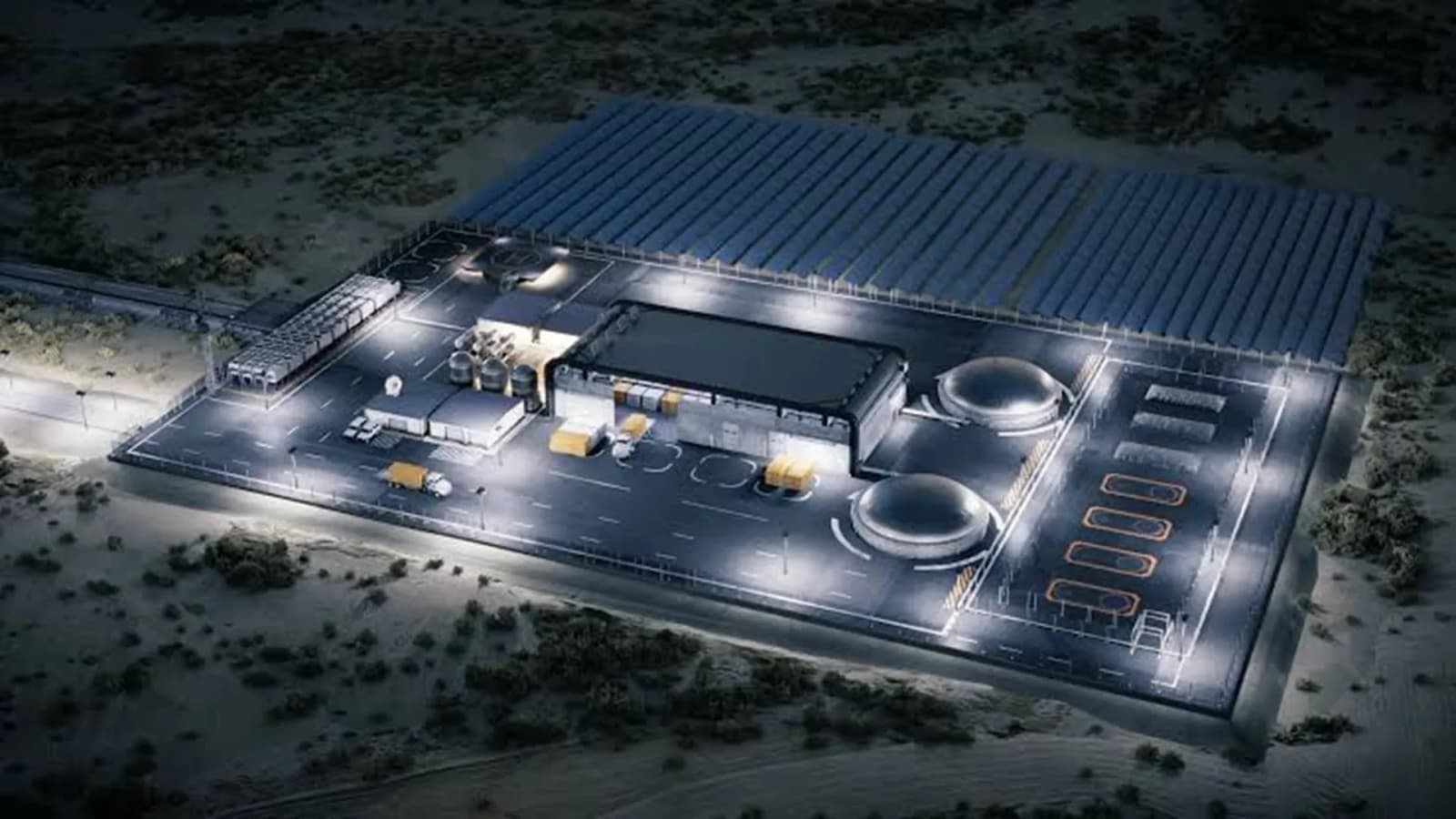
US-based technology company NANO Nuclear Energy has teamed up with nuclear infrastructure integrator IP3 Corporation and AI systems developer Cybernetic Intelligence to explore using advanced reactors to power AI, defense and other high-demand computing systems.
The three companies have signed a non-binding letter of intent covering potential projects in the United States and select international markets. Under the agreement, NANO Nuclear will serve as a preferred provider of nuclear technology and services for opportunities pursued by the group.
The collaboration will combine NANO Nuclear’s microreactor and nuclear fuel capabilities with IP3’s project development, financing and government engagement experience. Cybernetic Intelligence will contribute expertise in secure computing, sovereign AI infrastructure and potential defense, intelligence and commercial customers.
The companies plan to identify possible end users and host sites, examine regulatory requirements and develop feasibility and project materials. They will also explore financing options, manufacturing requirements and supply chains needed to move potential projects toward deployment.
Nuclear meets computing demand
One target is infrastructure that needs secure and resilient power without relying entirely on conventional electricity networks. The companies see advanced nuclear reactors as one potential way to support the growing energy requirements of AI and high-performance computing.
“Advanced nuclear is moving beyond traditional power markets as AI, national security and other strategic industries seek secure, reliable and resilient sources of energy. This collaboration is designed to position NANO Nuclear’s technology at the center of that emerging opportunity,” said James Walker, CEO of NANO Nuclear Energy.
Potential projects include advanced reactor pilot programs for military applications, energy-resilience systems for defense and intelligence facilities, sovereign AI and high-performance computing infrastructure, maritime nuclear applications and international energy projects.
As an initial step, the companies intend to select a pilot program based on project readiness, strategic priority and available resources. Any pilot would require a separate agreement defining its scope, timeline, commercial terms and deliverables.
Microreactors seek new roles
NANO Nuclear is developing several small reactor systems that could eventually support such applications. These include the stationary KRONOSMMR Energy System, the portable ZEUS solid-core battery reactor and the space-focused LOKI MMR system.
The company is also building capabilities around the nuclear fuel supply chain and transportation. Its subsidiary HALEU Energy Fuel is working toward a domestic high-assay, low-enriched uranium fuel fabrication pipeline, while Advanced Fuel Transportation provides nuclear materials transport and engineering services. NANO Nuclear is also exploring potential applications for its microreactor technology in space, including power systems for cislunar missions.
The companies will also evaluate potential sites and customers while engaging regulators, government agencies, financiers and infrastructure partners. Manufacturing, localization, workforce and supply-chain requirements will form part of those assessments.
“Compute sovereignty ultimately depends on energy sovereignty. As governments and critical industries deploy increasingly powerful AI systems, access to secure, dedicated and resilient power will become an increasingly important part of the infrastructure equation,” said Maxim Serezhin, CEO of Cybernetic Intelligence.
For now, the agreement does not commit the companies to building any reactor or computing facility. The LOI is non-binding, and future projects would require further due diligence, financing, regulatory and government approvals, and definitive agreements.
Related articles

US’ top rival modernizes its most advanced stealth fighter jet, can operate in jamming environments
A Russian company has delivered the country’s most advanced stealth fighter jet to its military....

Rogue OpenAI agents used government websites as secret message boards, company says
OpenAI is investigating a series of unexpected behaviors involving its AI agents, including one case...
Russia builds second reactor to power 106 MW floating nuclear plant for Arctic mining
A new floating nuclear power unit will soon bring electricity to a massive copper mining...
Lockheed Martin builds dedicated center to weaponize quantum tech for US troops
Lockheed Martin has opened a new center dedicated to turning quantum research into technologies that...

Roku’s first OLED TVs are up to $400 off, starting at $699
Roku recently launched its first-ever OLED TVs. The $999 starting price was already impressive for the 55-inch Pro Series model that has a 120Hz refresh rate OLED panel (with four HDMI 2.
500-kW modular wind turbine with 82-foot blades can swap parts to test new tech
A new 500-kilowatt (kW) flexible and modular wind turbine that can be fitted with different...