
NVIDIA opens Vera Rubin rack and compute tray designs through OCP, expands AI factory networking with Meta, Google and Cisco
At the OCP Global Summit, NVIDIA contributed Vera Rubin rack and compute tray designs to the Open Compute Project via its MGX architecture. MGX 1.2 supports racks up to 250kW and a 5,000A liquid-cooled busbar, while Meta adopts Spectrum-6 Ethernet and new networking work with Google and Cisco targets AI factory bottlenecks.
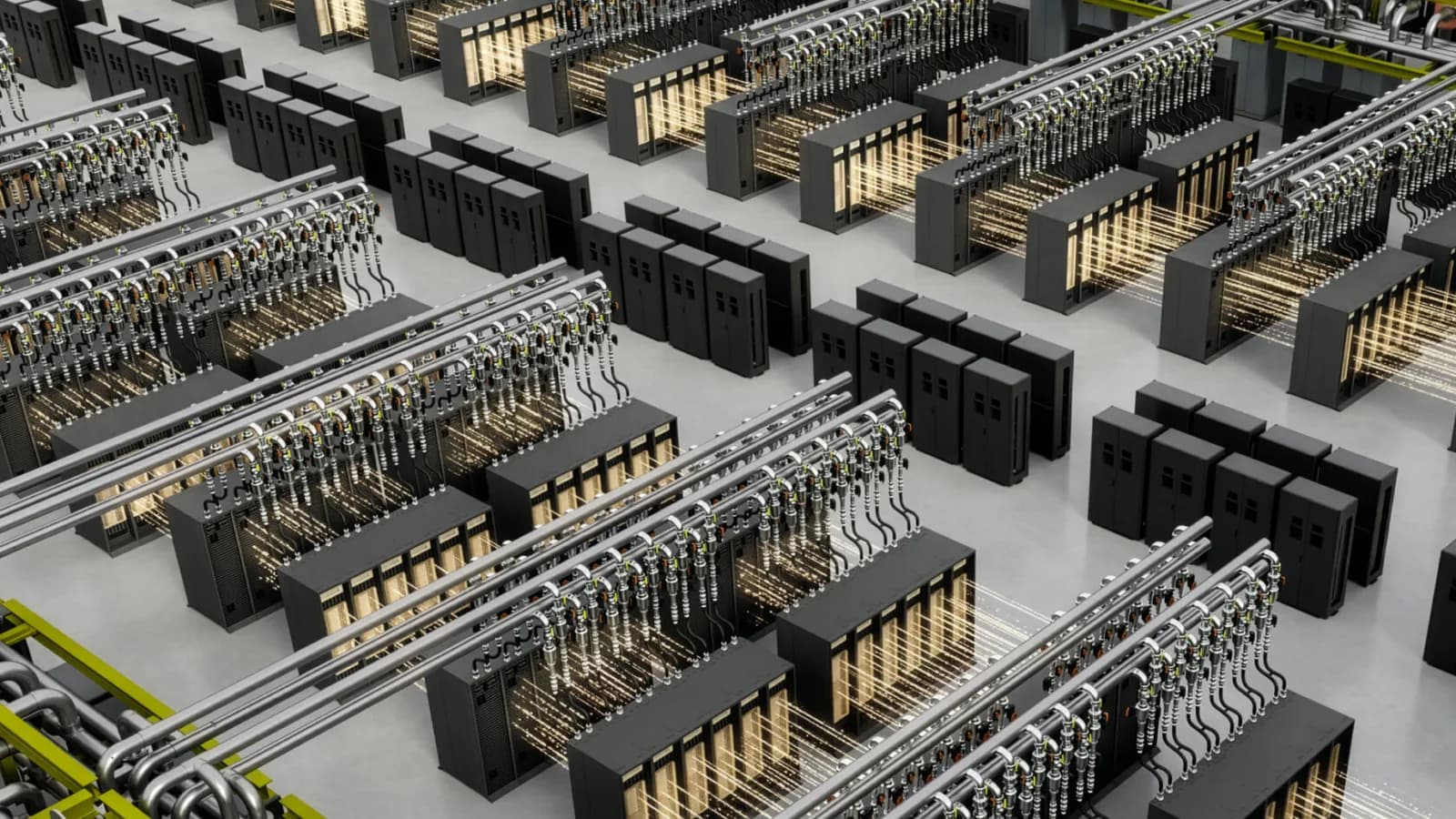
NVIDIA used the Open Compute Project (OCP) Global Summit in San Jose, California, on October 12, 2026, to announce a set of partnerships and open contributions aimed at creating a common foundation for next-generation AI infrastructure. The centerpiece: NVIDIA contributed key Vera Rubin rack and compute tray designs to OCP through its open MGX architecture, giving system builders shared blueprints for developing "AI factory" data centers.
"The real bottleneck for the industry right now is how fast the world can manufacture and deploy AI factories," Joe DeLaere, AI infrastructure solutions lead at NVIDIA, told SiliconANGLE.
MGX 1.2: a standard for high-power racks
For Vera Rubin AI factories, the updated MGX 1.2 specification adds:
- rack-scale blind-mate liquid cooling;
- interoperable rack-scale interconnect infrastructure;
- a liquid-cooled 5,000A busbar designed for higher-power AI systems;
- native 19-inch equipment support and higher-density rack designs;
- configurable I/O bays and fanless liquid-cooled compute trays.
According to NVIDIA, the architecture supports rack deployments of up to 250kW while improving assembly, test and service times.
The company also introduced a Vera CPU rack specification for the agentic AI era. While Vera Rubin NVL72 serves as the foundation for large-scale training and inference, the Vera CPU rack is designed for tool calling, orchestration and sandboxed execution. NVIDIA says its Vera CPUs deliver around twice the performance of the previous Grace generation on several benchmarks and a 1.8x improvement on Terminal-Bench, which measures practical agent tasks.
Networking partnerships with Meta, Google and Cisco
- Meta is adopting NVIDIA's Spectrum-6 Ethernet switch, a 102.4Tb/s switching chip, for its next-generation AI factory network connecting directly to Vera Rubin deployments; NVIDIA's blog ties the work to Meta's N-IceCube platform and FBOSS software.
- NVIDIA is adding support for Google's Falcon Transport to its Spectrum-X Ethernet ecosystem, starting with future ConnectX-10 SuperNICs and extending to BlueField DPUs. Falcon is designed to move traffic over multiple paths, respond to congestion and recover lost packets.
- With Cisco, NVIDIA is jointly defining the USFP (Ultra-dense Small Form Factor Pluggable) optical module format for future 400Gb/s-per-lane fabrics, offering four times the bandwidth density of today's 200G OSFP form factor and roughly 1.3x better power efficiency, NVIDIA said.
Open data center standards
NVIDIA also expanded DSX OS with open-source components for configuring networks, validating clusters, managing racks and provisioning bare metal, drawn from its DGX Cloud experience. It joined AMD, Google and Meta to publish the Open Data Center Specification v0.7, a blueprint for AI factory facility design covering power, cooling and physical layout. Separately, Google, Meta, Microsoft and NVIDIA published the OCP Grid Resilience Specification, which sets out how large AI infrastructure should behave during utility grid disturbances, including restoring to near-full load in under two seconds.
Visionbay also unveiled plans for K-1, an AI factory platform built around NVIDIA's 800 VDC reference architecture and Vertiv power and thermal technologies, designed with future Vera Rubin deployments in mind.
Why it matters
The announcements reinforce NVIDIA's push to define not just accelerators but the rack, power, cooling and networking standards of AI data centers. With the specifications now open, equipment makers, colocation providers and operators can begin designing and building infrastructure without waiting for proprietary requirements from individual customers.
Sources: NVIDIA Blog; SiliconANGLE.
Related articles
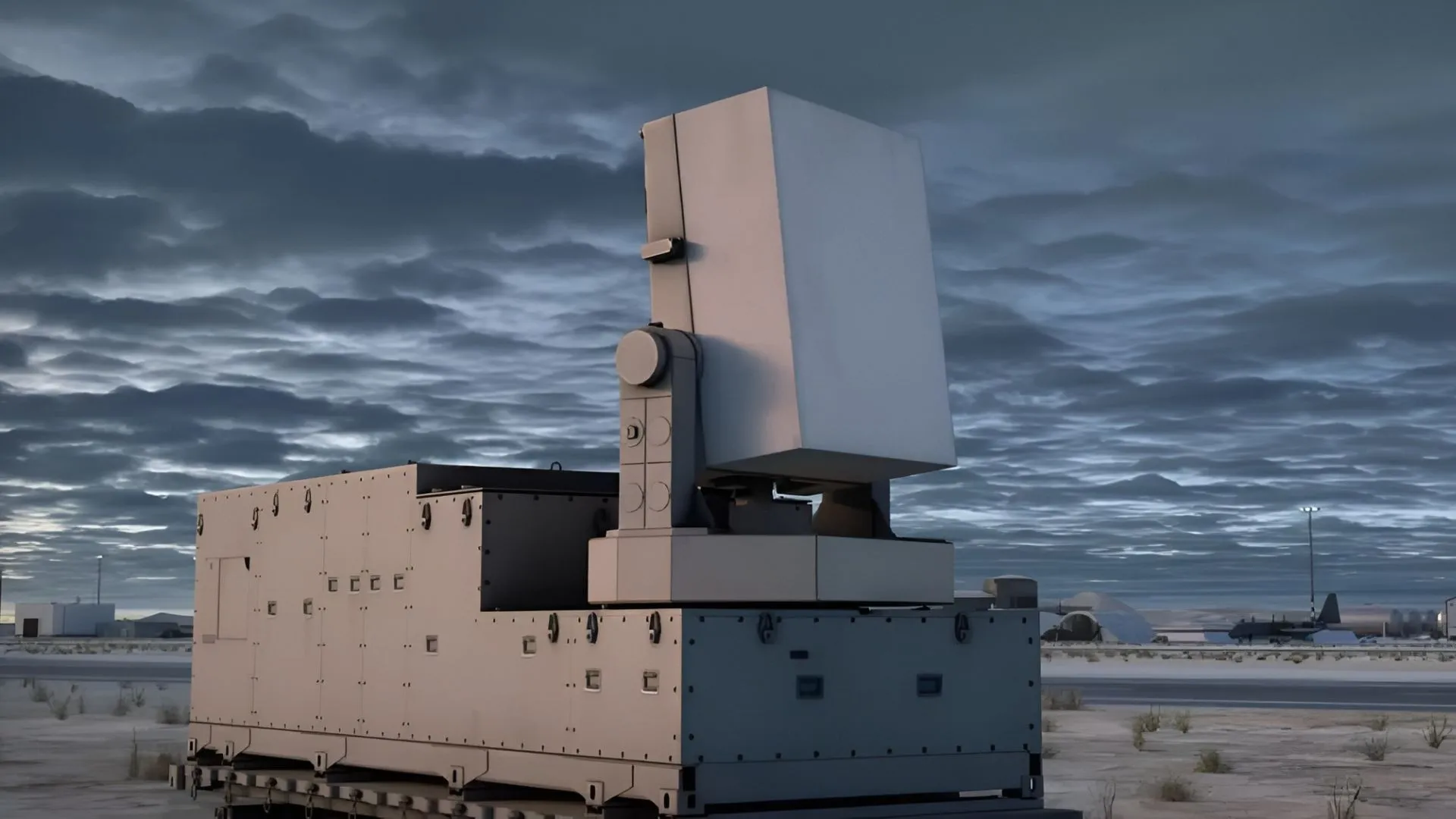
New microwave weapon can zap drone swarms without burning through missiles
BAE Systems has unveiled two air defense technologies designed to help the US Army counter...
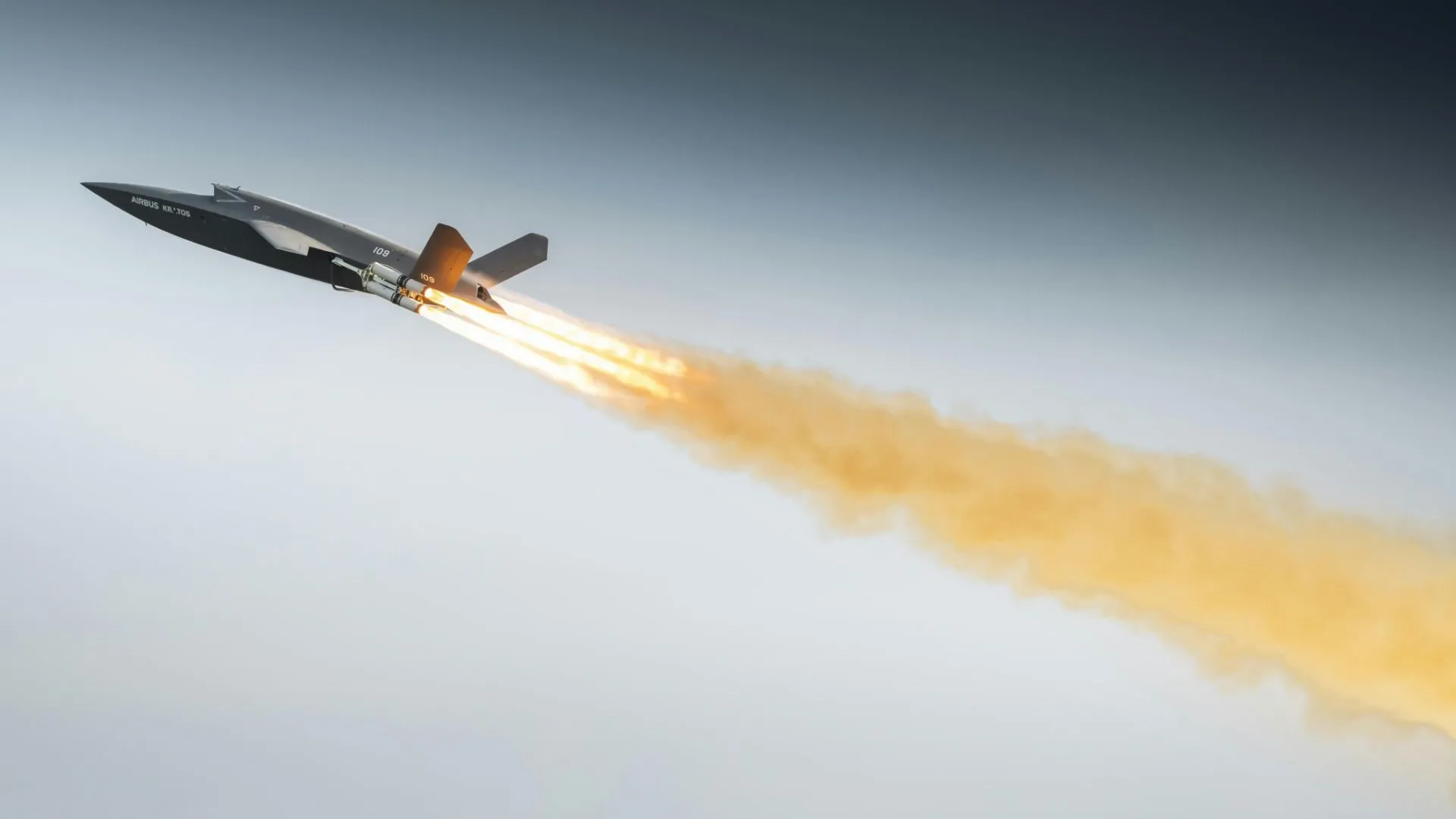
Valkyrie combat drone makes first European flight with 3,100-mile range and Mach 0.8
Airbus and Kratos Defense & Security Solutions have flown the U740 Valkyrie uncrewed combat aircraft...
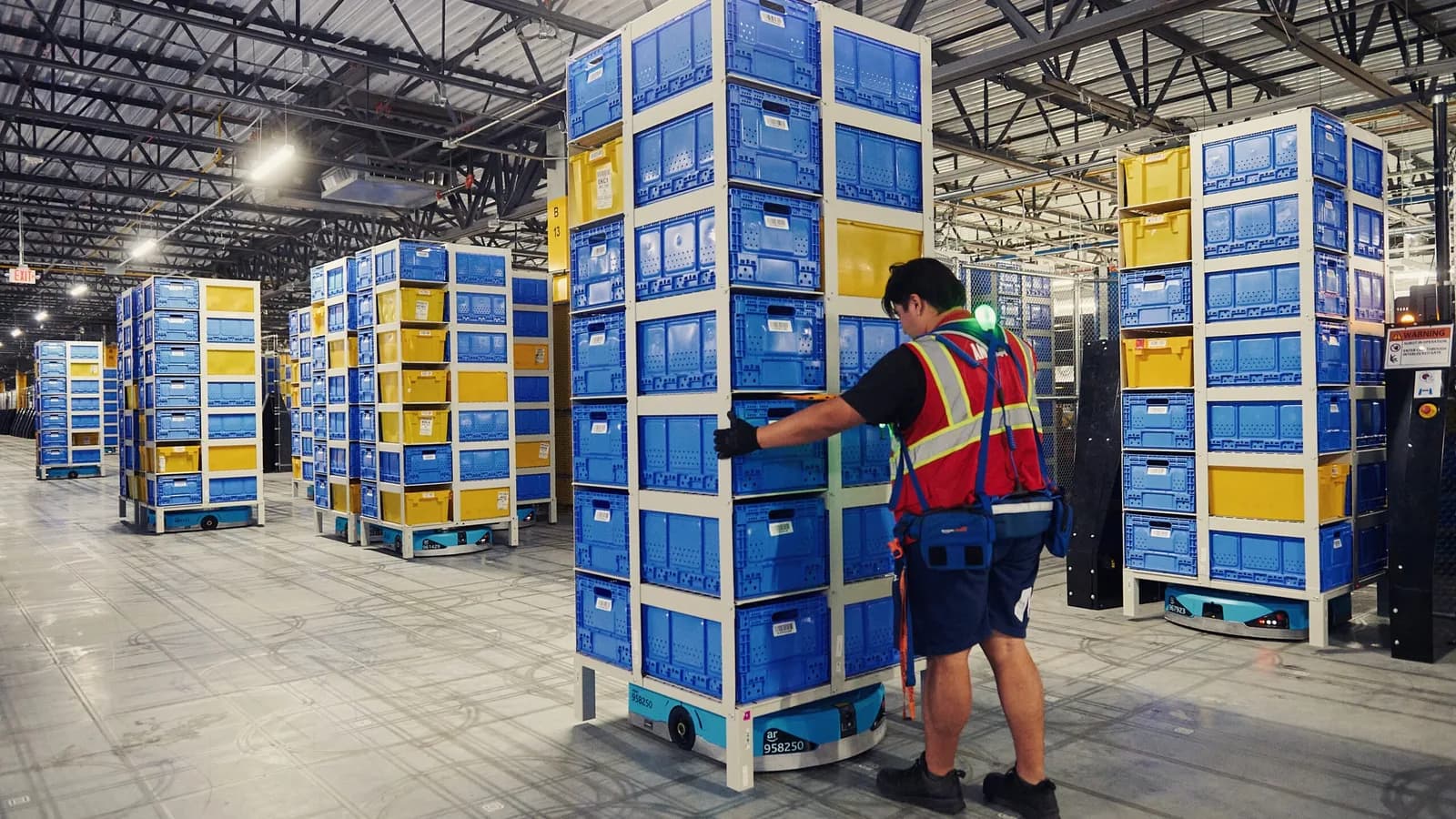
Amazon tops 1 million warehouse robots as AI models like DeepFleet, Sparrow and Vulcan expand its fleet amid worker-safety debate
Amazon now operates more than 1 million robots while still employing over 1.5 million people, Ars Technica reports. The company plans to more than double its robotic arm fleet this year using AI foundation models, while researchers and unions point to shifting injury patterns.

Unredacted Kentucky lawsuit alleges Character.AI chatbots encouraged self-harm and starvation
Kentucky Attorney General Russell Coleman has filed an unredacted version of the state's January lawsuit against Character.AI, detailing alleged chats in which bots encouraged users to cut or starve themselves. The claims are allegations that have not been proven in court.
Microsoft President Brad Smith says UK is best placed to drive global AI regulation
Microsoft President Brad Smith told a BBC podcast that AI is both “a weapon and a tool” and that the moment has arrived for global safety rules. He said voluntary accords are not enough and backed legal breach-notification duties, outside evaluator approval before release and kill switches.
UK steps up cyber defences against AI risks and explores reporting of serious AI incidents and near misses
UK AI Minister Kanishka Narayan announced plans to scale pilots that helped fix more than 1,000 government cyber vulnerabilities, explore stronger protections under the Cyber Security and Resilience Bill regime, including how serious AI incidents and near misses are reported, and prepare for incidents involving autonomous AI agents.