
OpenAI launches Rosalind Academic Plan for U.S. university life-science labs
OpenAI on October 15 introduced the Rosalind Academic Plan, offering eligible U.S. university labs sponsored access to GPT-Rosalind and life-sciences research tools under a trusted-access review.
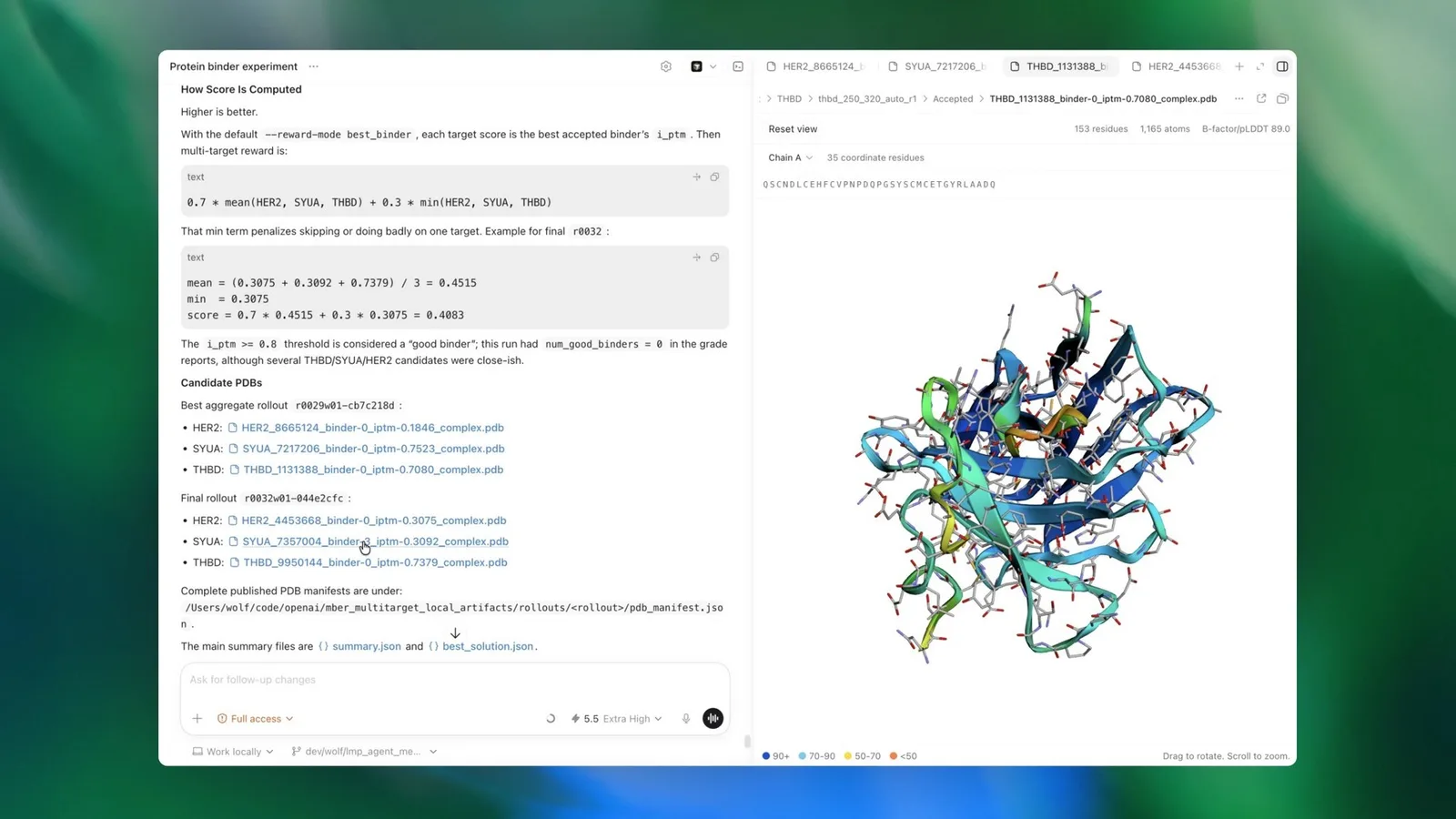
OpenAI on October 15, 2026 introduced the Rosalind Academic Plan, offering eligible academic labs at U.S. universities sponsored access to GPT-Rosalind and tools for life-sciences discovery, according to the company's Rosalind product page and a detailed Unite.AI readout of the help-center terms.
What the plan includes
Per Unite.AI's summary of OpenAI's help-center guide, eligible labs can receive up to 30 complimentary ChatGPT Business Standard seats for up to 12 months at $0 per user per month. Seats include ChatGPT and Codex within existing usage limits and access to commercially available frontier OpenAI models inside those limits. OpenAI says it does not use research data shared through the plan to train models by default.
Key limits: the offer includes no API credits or API access, and plan approval does not by itself grant GPT-Rosalind through the API. Thirty seats is the maximum in a single workspace; labs needing more should contact Support rather than open a separate paid workspace. GPT-Rosalind access still requires separate trusted-access approval, and the PI or lab lead must enable it per member.
What GPT-Rosalind is for
OpenAI positions Rosalind as its life-sciences brand, pairing the purpose-built GPT-Rosalind model with Rosalind Workbench, an orchestrated workspace in research preview for evidence synthesis, genomics and protein analysis, experimental planning and wet-lab troubleshooting. The model can also be used inside Codex.
Listed research areas include drug and protein design, disease detection, vaccines, genetic and RNA therapies, agriculture and animal health, ecology, and antimicrobial resistance.
Who can apply
The plan is currently open only to academic labs at U.S. universities. Principal investigators or designated lab leads at universities without an Enterprise agreement apply through trusted access; labs at universities with an existing Enterprise agreement must request GPT-Rosalind through their university process. Applications require an institutional .edu email, lab details, intended use, member emails on the same domain, and a trained institutional biosafety contact. Identity checks use Persona; a university email alone does not guarantee approval.
Unite.AI reported early academic users cited by OpenAI, including UCSF's Zhao Lab, the Bourdenx Lab, and Stanford/Arc Institute's Dr. Brian Hie, describing uses from quantitative drug-property work to larger-scale discovery and design.
Sources: OpenAI Rosalind, Unite.AI, OpenAI Help: Rosalind Academic Plan.
Related articles

New nuclear waste sensor detects 100 kHz vibrations, could help spot canister cracks
Researchers at the University of Pittsburgh have demonstrated a fiber-optic sensing system capable of detecting...
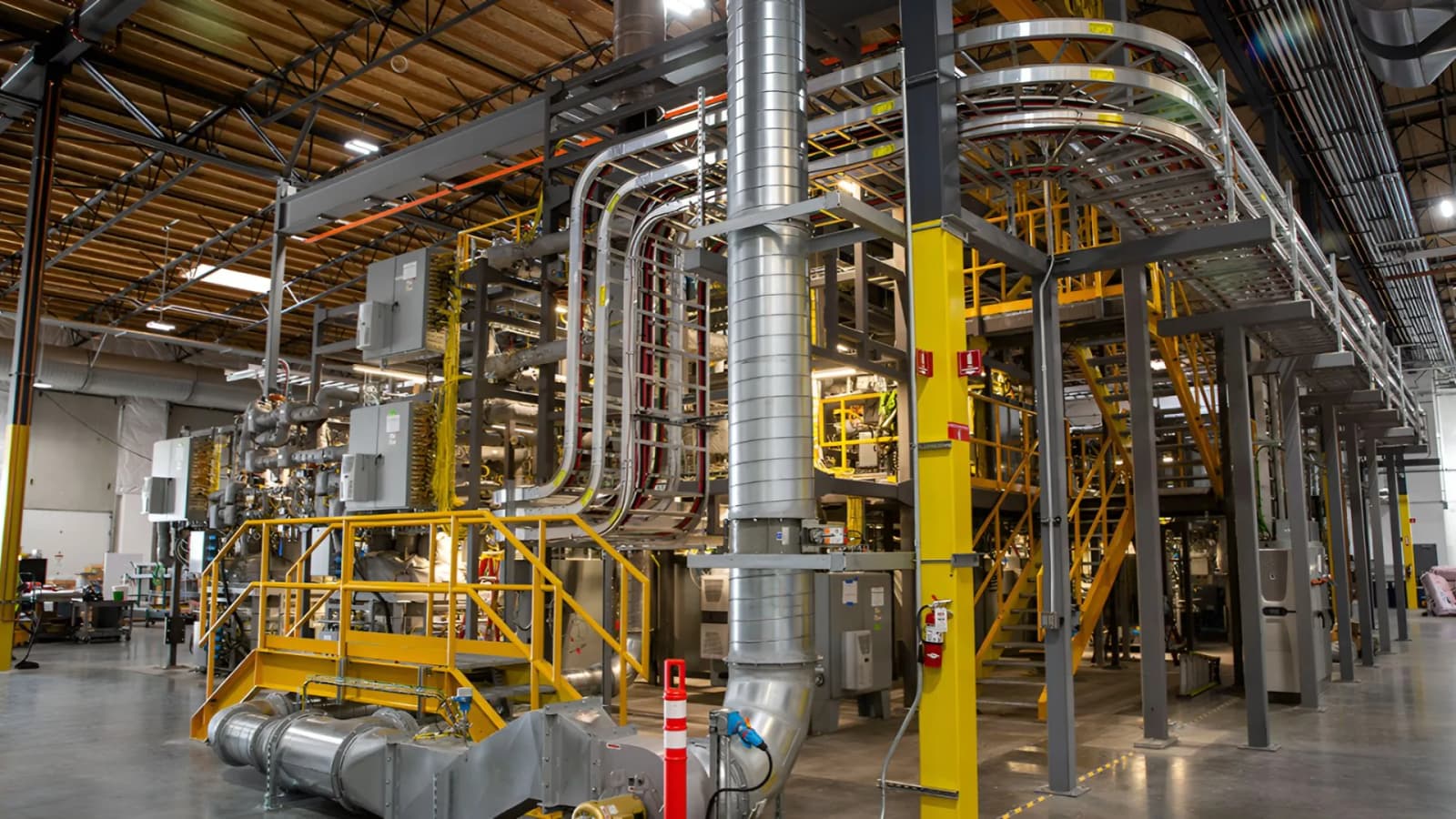
World’s first fast-spectrum molten chloride reactor experiment nears critical testing
A nuclear experiment backed by the U.S. Department of Energy could deliver crucial operating data...
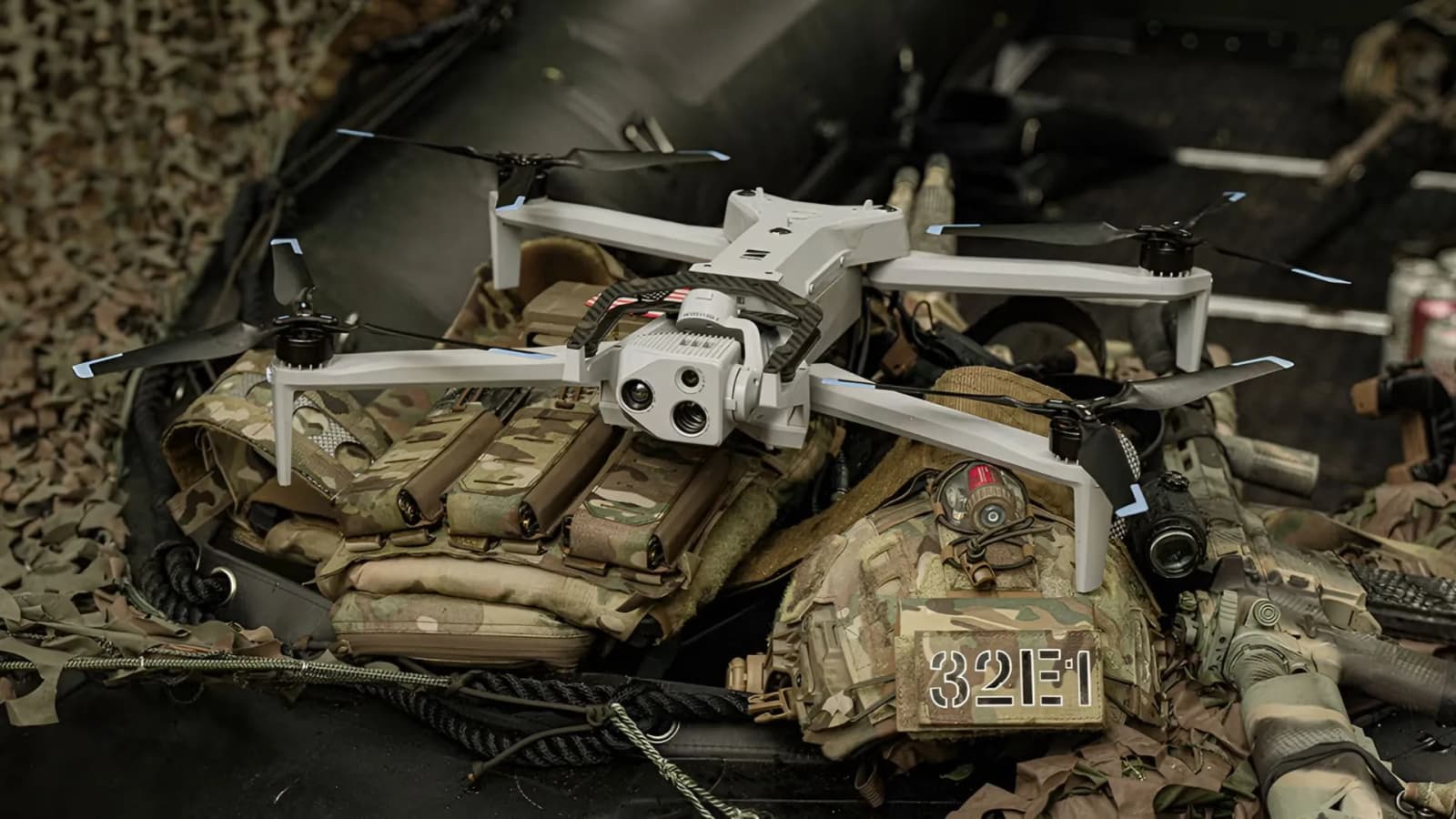
US Military drones tap 150,000 radios in push to beat battlefield jamming threats
L3Harris Technologies and Skydio are integrating military drones with tactical radio technology to help U.S....

Anthropic grants METR researchers employee-like access for independent AI evaluations
Anthropic said on October 15 it has onboarded six METR employees with company hardware, office space and internal-tool access roughly on par with its own risk teams, and that METR can publish assessments Anthropic cannot veto.
Google DeepMind shows Antigravity finding a novel antimicrobial peptide candidate
In an October 15 technical walkthrough, Google DeepMind described how biologists used the Antigravity agentic science workbench to identify a 97-amino-acid bacteriocin candidate now entering wet-lab validation.