
P-8A Poseidon maritime patrol aircraft scores new $56M ground systems and fly-away kits
The U.S. Navy is putting another $55.8 million into the ground infrastructure supporting its P-8A...
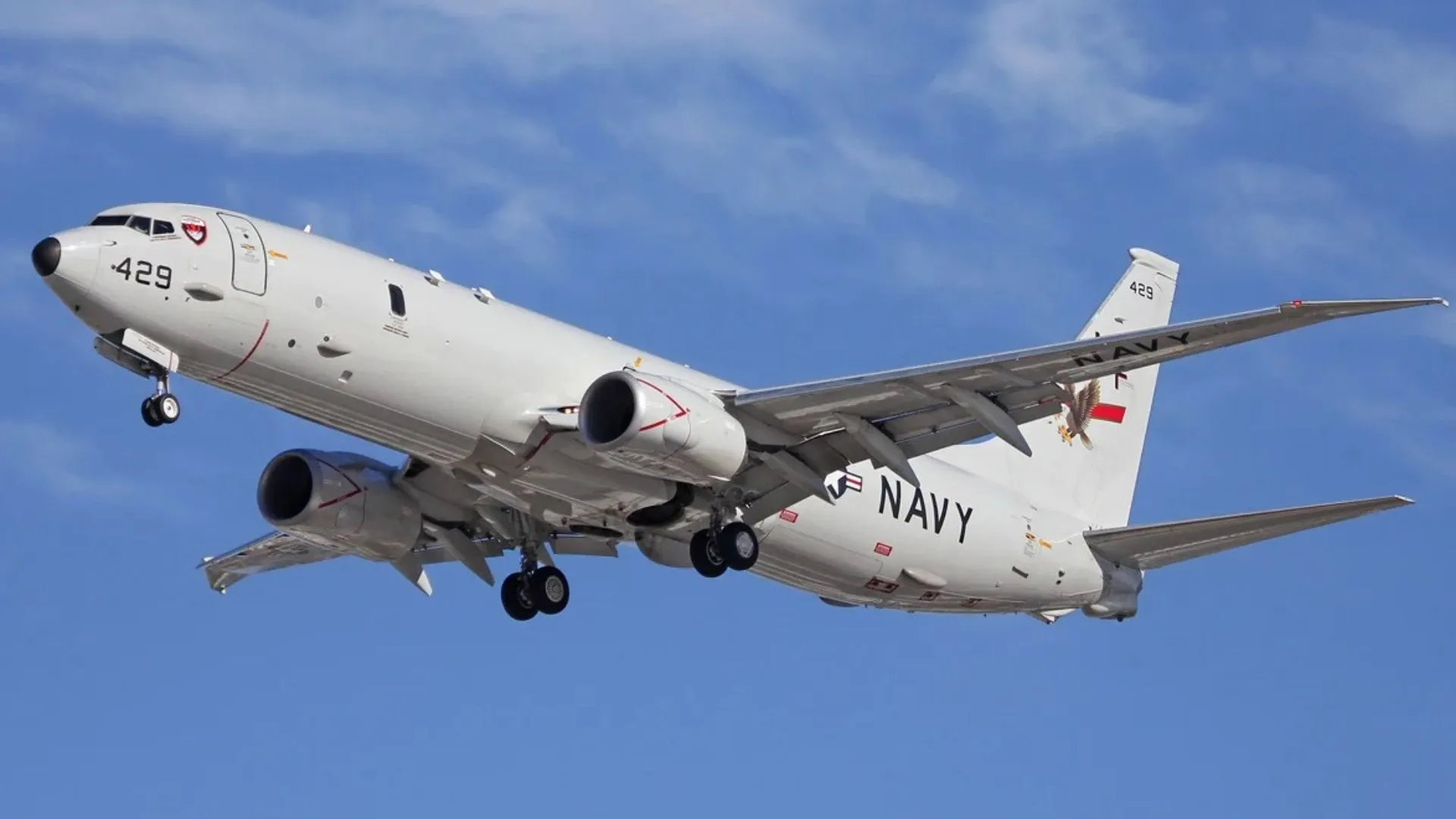
The U.S. Navy is putting another $55.8 million into the ground infrastructure supporting its P-8A Poseidon fleet. Dayton T. Brown Inc. will supply equipment under a modification to its existing Mobile Mission Systems order.
The award covers materials for five P-8 ground systems and 21 fly-away kits. Those systems support modifications, upgrades and integration work around the aircraft’s mission architecture.
The Navy also exercised options that extend DTB’s Mobile Mission Systems support. Work will continue at the company’s facility in Hollywood, Maryland, through March 2027.
Ground systems get upgrades
The P-8A is best known as a maritime patrol aircraft, but its missions extend well beyond the airframe. Ground equipment provides part of the infrastructure needed to prepare, support and manage those missions. That equipment must also keep pace as the aircraft gains new capabilities.
The new funding targets that layer of the P-8A ecosystem. DTB will procure materials needed to modify existing systems and accommodate additional capabilities. Five P-8 ground systems fall under the material portion of the award. The Navy will also receive 21 fly-away kits through the work.
Those kits give crews portable equipment that can support operations away from permanent facilities. Their inclusion adds a mobility element to the broader ground-system effort.
Mobile support follows missions
A fly-away kit can help move mission support equipment closer to where an operation takes place. That capability matters for an aircraft built to conduct missions across wide maritime areas. Supporting infrastructure may need to travel when aircraft operations shift between locations.
The equipment also has to work with existing systems. Integration therefore becomes an important part of introducing upgrades without disrupting the wider mission setup.
The material will support subsystem changes alongside broader modifications. That work can include replacing components, adding new equipment or adapting existing interfaces.
Such changes matter because mission systems rarely operate as isolated pieces of hardware. Communications, data and ground equipment must work together for crews to use the capabilities effectively.
DTB’s Mission Systems Division will handle the work from Maryland. The Naval Air Warfare Center Aircraft Division at Patuxent River is the contracting activity.
DTB extends Navy support
Jim Kelly, DTB’s president, said the award reflects the Navy’s continued reliance on the company’s engineering support.
“Our team is proud to continue supporting the U.S. Navy’s P-8A Mobile Mission Systems mission,” Kelly said. Kelly said DTB will continue providing engineering and technical support for the program.
The P-8A Poseidon relies on an interconnected set of aircraft and ground capabilities. Changes to one part can require equipment and integration work elsewhere in the system.
That makes the $55.8 million award more than a straightforward equipment purchase. Much of the work centers on keeping supporting infrastructure ready for the next round of mission changes.
The Navy expects DTB’s work under the modification to wrap up in March 2027. The award gives the program additional material capacity as its mission systems evolve.
Related articles

Gemini Call for Me might tell your mom you’re running late
Google may be expanding its "Call for Me" AI feature beyond business calls so you can use it to send messages to friends and family.

Three US nuclear plants get $4.2B upgrade to add 433 MW of generating capacity
The U.S. Department of Energy (DOE) has offered up to $4.2 billion in conditional financing...

Utah launches world’s first autonomous prescription system without human doctors
Utah has cleared a healthcare system to begin issuing initial acne prescriptions without a doctor...

SpaceX proposes 32-mile Florida pipeline to supply fuel for Starship rockets
SpaceX is seeking approval for a 32.4-mile natural gas pipeline in Florida to supply fuel...
4,000-mph PAC-3 MSE missile triples seeker production with $14.7 billion award
Boeing has secured a $14.7 billion award from Lockheed Martin to expand production of seekers...

Secret stamp: OpenAI adds invisible watermarks to ChatGPT text under EU rules
OpenAI will begin adding invisible watermarks to text generated by ChatGPT and Codex in the...