
Ranked: Inflation vs. Consumer Confidence by Country
Argentina and Türkiye have among the highest inflation rates worldwide. No wonder both countries' citizens lack confidence in their finances.
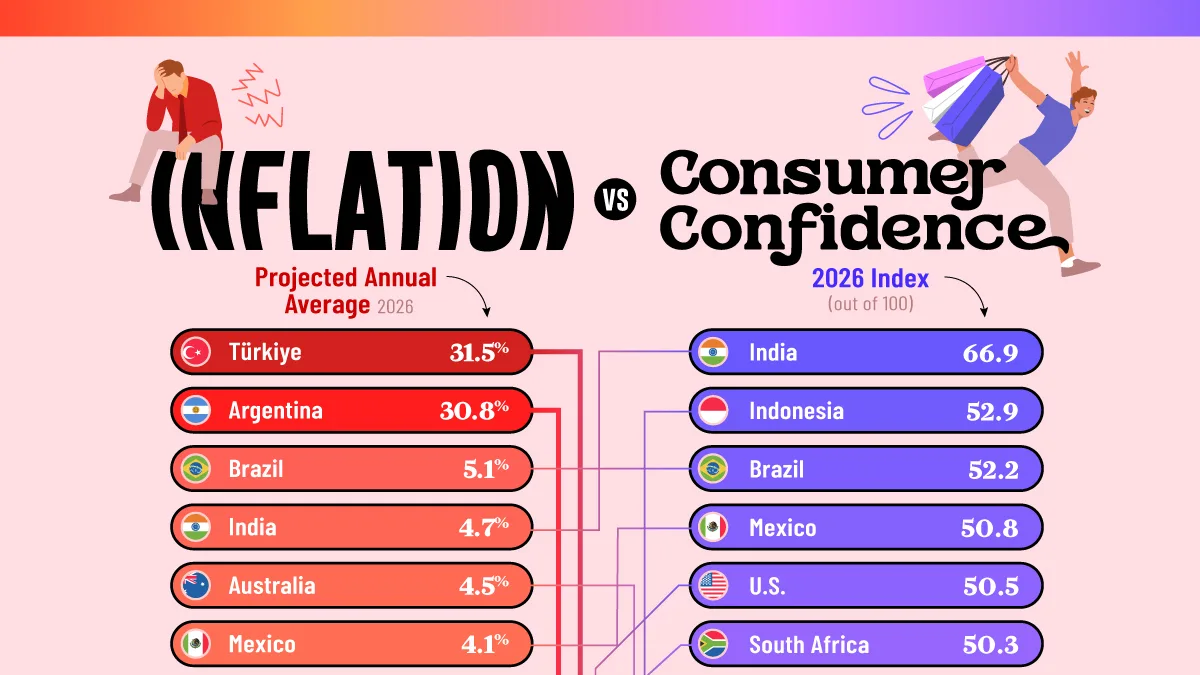
Inflation and Consumer Confidence Across Major Economies
Key Takeaways
Türkiye and Argentina are projected to average inflation above 30% in 2026, far exceeding the other economies shown.
The U.S. has the highest projected inflation in the G7 at 3.6%, ahead of the UK at 3.1%.
India’s 66.9 consumer confidence score leads all 17 economies shown.
Inflation is beginning to rise again across many of the world’s largest economies after easing from the highs of recent years.
The comparison with consumer confidence reveals a more complicated picture. Some countries with relatively low inflation still report weak consumer sentiment, while several emerging economies rank considerably higher on confidence.
Using inflation projections from the OECD and consumer confidence data from Ipsos, this graphic compares price pressures and consumer sentiment across 17 major economies.
How Inflation and Consumer Confidence Compare
The table below ranks 17 major economies by projected 2026 inflation:
CountryAnnual Avg. Inflation (2026P)Consumer Confidence Index (Sep 2026)
Türkiye31.5%35.3
Argentina30.8%37.8
Brazil5.1%52.2
India4.7%66.9
Australia4.5%48.5
Mexico4.1%50.8
South Africa4.1%50.3
Spain3.7%46.8
U.S.3.6%50.5
Indonesia3.3%52.9
UK3.1%48.2
Italy3.0%43.0
South Korea3.0%44.3
Germany2.9%41.4
Canada2.8%47.3
France2.5%40.6
Japan1.8%39.4
Excluding Türkiye and Argentina, projected inflation across the countries shown ranges from 1.8% in Japan to 5.1% in Brazil. Among G7 economies, the U.S. ranks highest at 3.6%, followed by the UK at 3.1%.
Consumer confidence follows a different pattern. India leads at 66.9, while Germany, France, Italy, South Korea, and Japan all score below 45.
Japan highlights the disconnect. Despite having the lowest projected inflation rate in the ranking, its confidence score is just 39.4. Consumer sentiment reflects a broader economic picture, including wages, employment, and expectations for the economy.
Why the Inflation Outlook Is Shifting Again
The backdrop to these rankings is changing quickly as disruptions in the Middle East push energy prices higher. Global observed oil inventories fell by 507 million barrels between February and August, reducing the buffer available to absorb further supply disruptions.
More than half of G20 economies currently have inflation above their central bank targets. The OECD projects G20 inflation to rise from 3.4% in 2025 to 4.1% in 2026 before easing to 3.6% in 2027.
That leaves countries with different capacities to absorb another period of higher prices. Real wages in Japan, South Africa, and Italy remain at or below pre-pandemic levels, potentially making renewed increases in essential costs more difficult for households to absorb.
How persistent the inflation rebound becomes will depend heavily on energy markets and the duration of current supply disruptions.
Learn More on the Voronoi App
To learn more about this topic, check out this graphic on the most expensive U.S. states for utilities.
Related articles
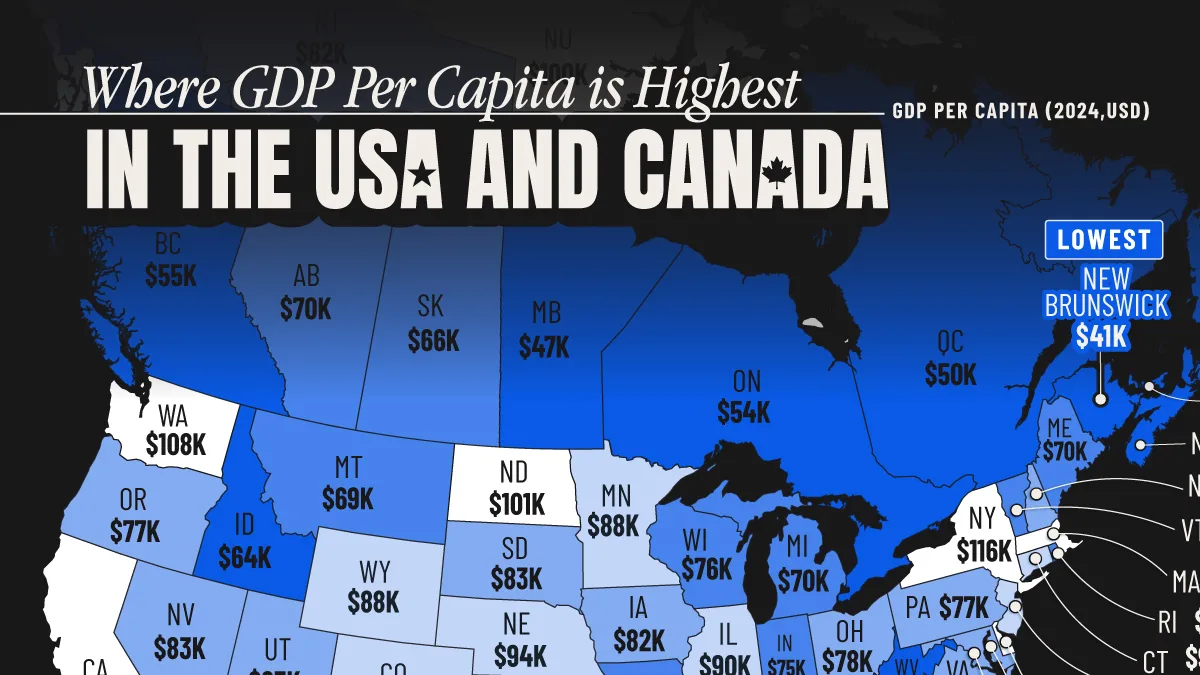
Every U.S. State and Canadian Province by GDP Per Capita
See which U.S. states and Canadian provinces have the highest GDP per capita, led by Washington, D.C., New York, and Massachusetts.
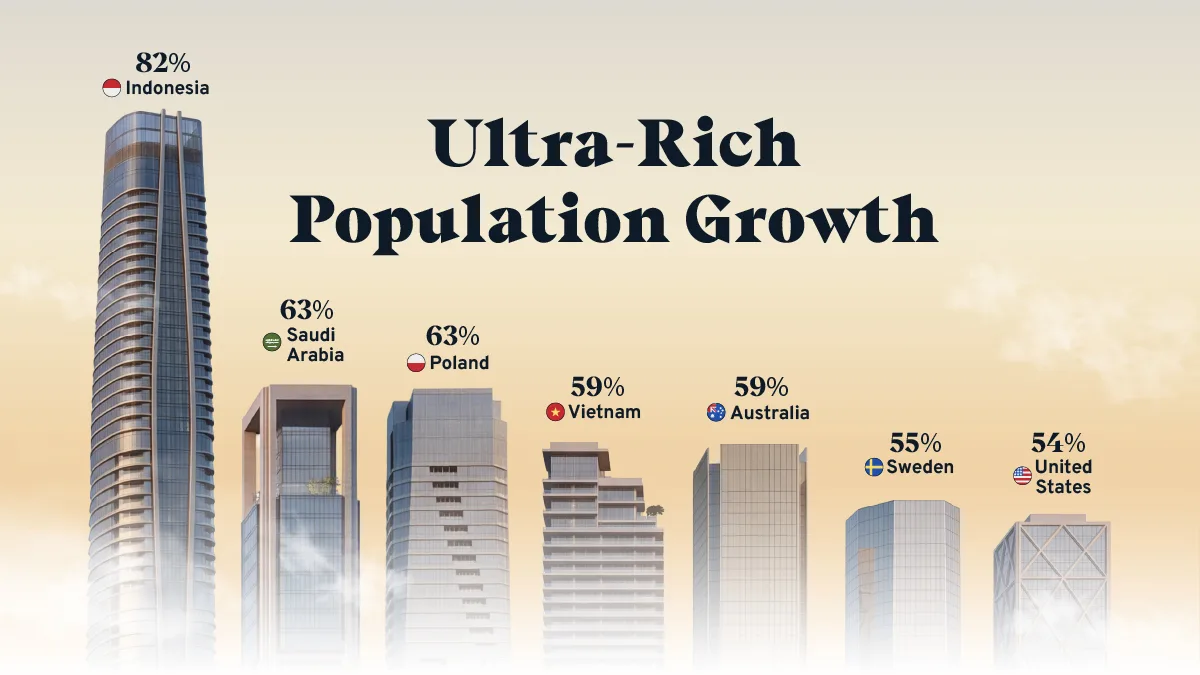
Ranked: Where Are Ultra-Rich Populations Forecast to Grow the Fastest?
Global wealth is expanding beyond traditional hubs. Through 2031, Indonesia is forecast to see the fastest ultra-rich population growth.
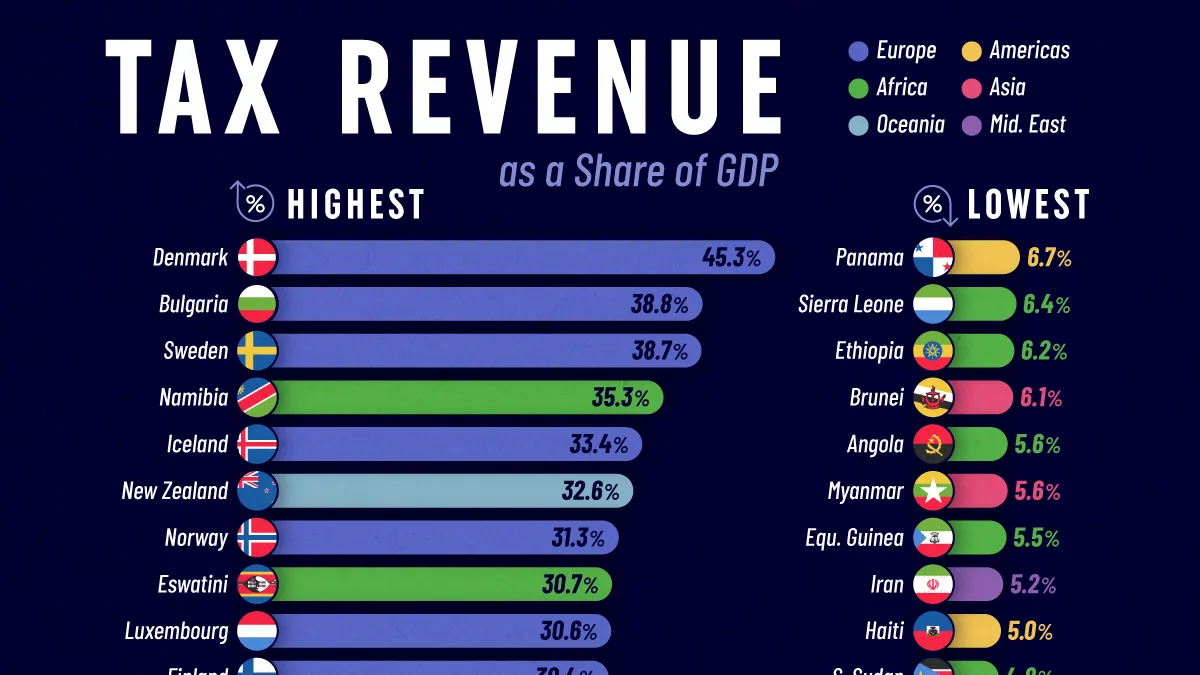
Ranked: The World’s Most and Least Taxed Countries
Some countries collect over 40% of GDP in taxes. Others collect less than 2%. See how countries around the world compare.
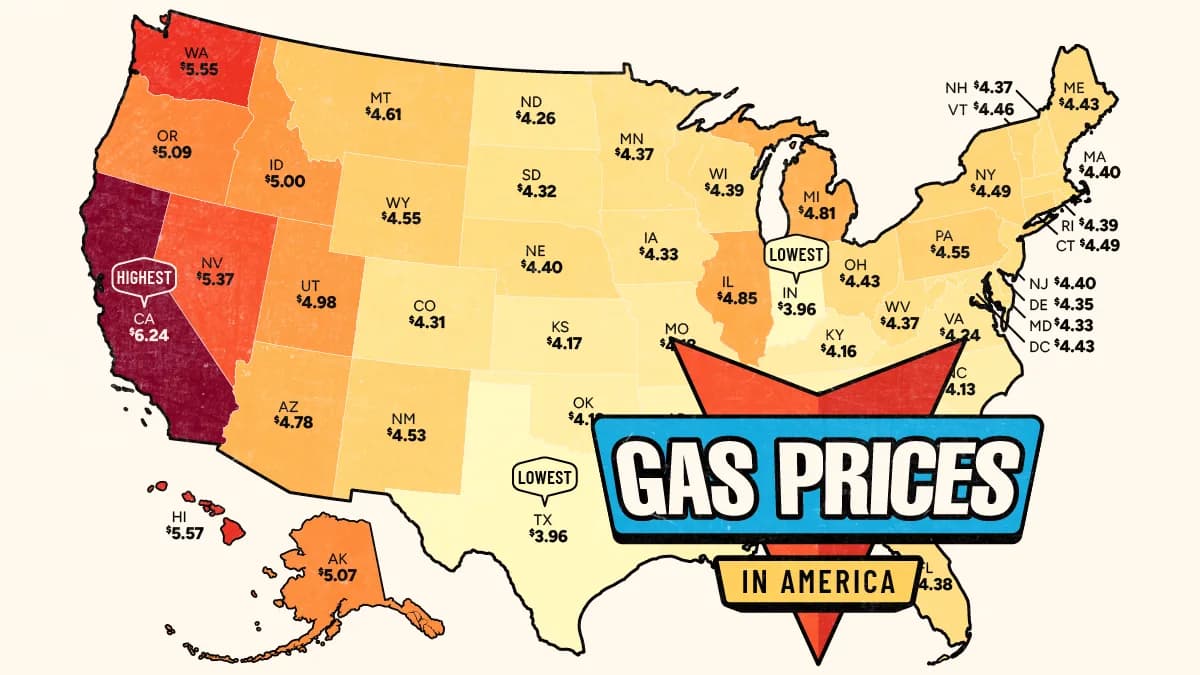
Mapped: Gas Prices by U.S. State in 2026
Gas prices may be high nationwide, but living in one state or another can amount to over $30 difference at the pump.
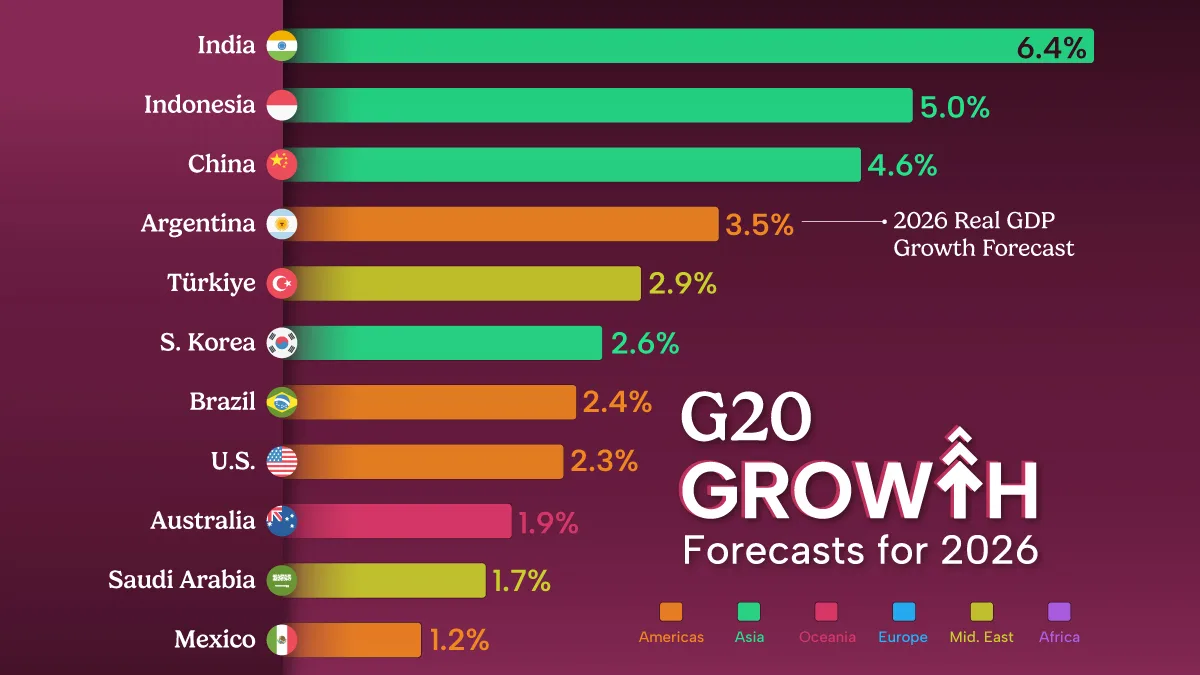
Ranked: The Fastest-Growing Major Economies in 2026
While Europe's major economies struggle with stagnation, Asian emerging markets are forecasted to see 5% growth in 2026.
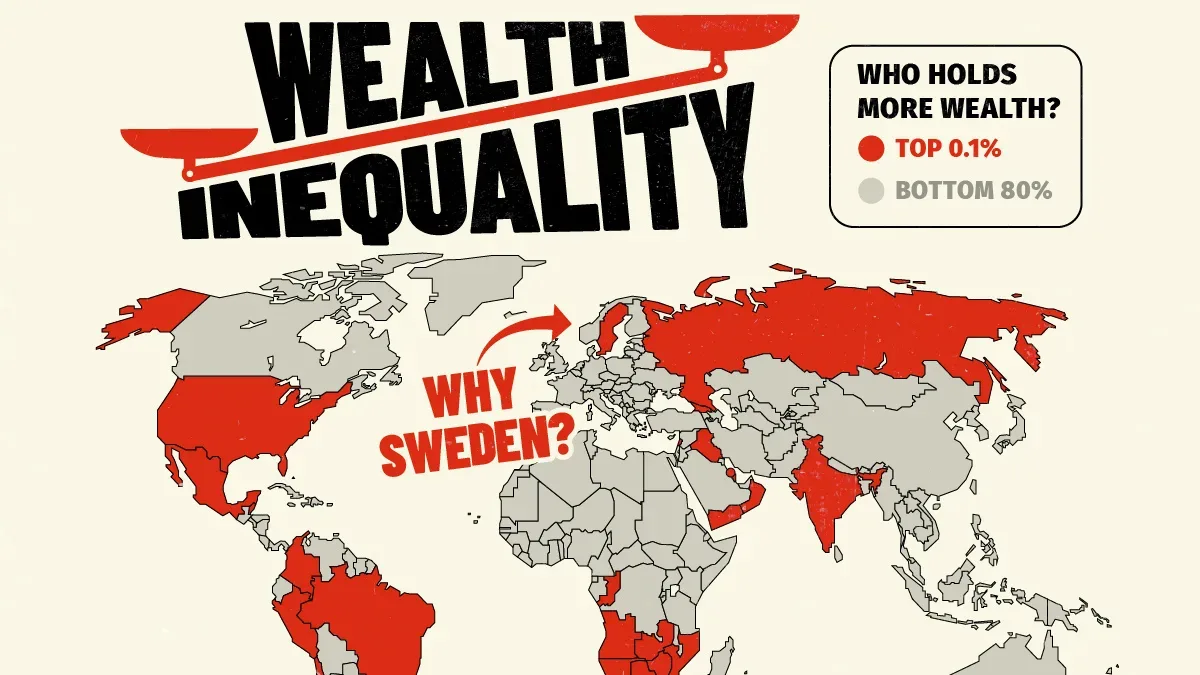
Where the Richest 0.1% Hold More Wealth Than the Bottom 80%
In just 27 countries around the world, the richest of the rich own more wealth than the bottom 80% of the population combined.