
World’s first tri-fuel ore carriers to haul 210,000 tons with ethanol, cut emissions 90%
A pair of giant ore carriers will be able to burn three different marine fuels,...
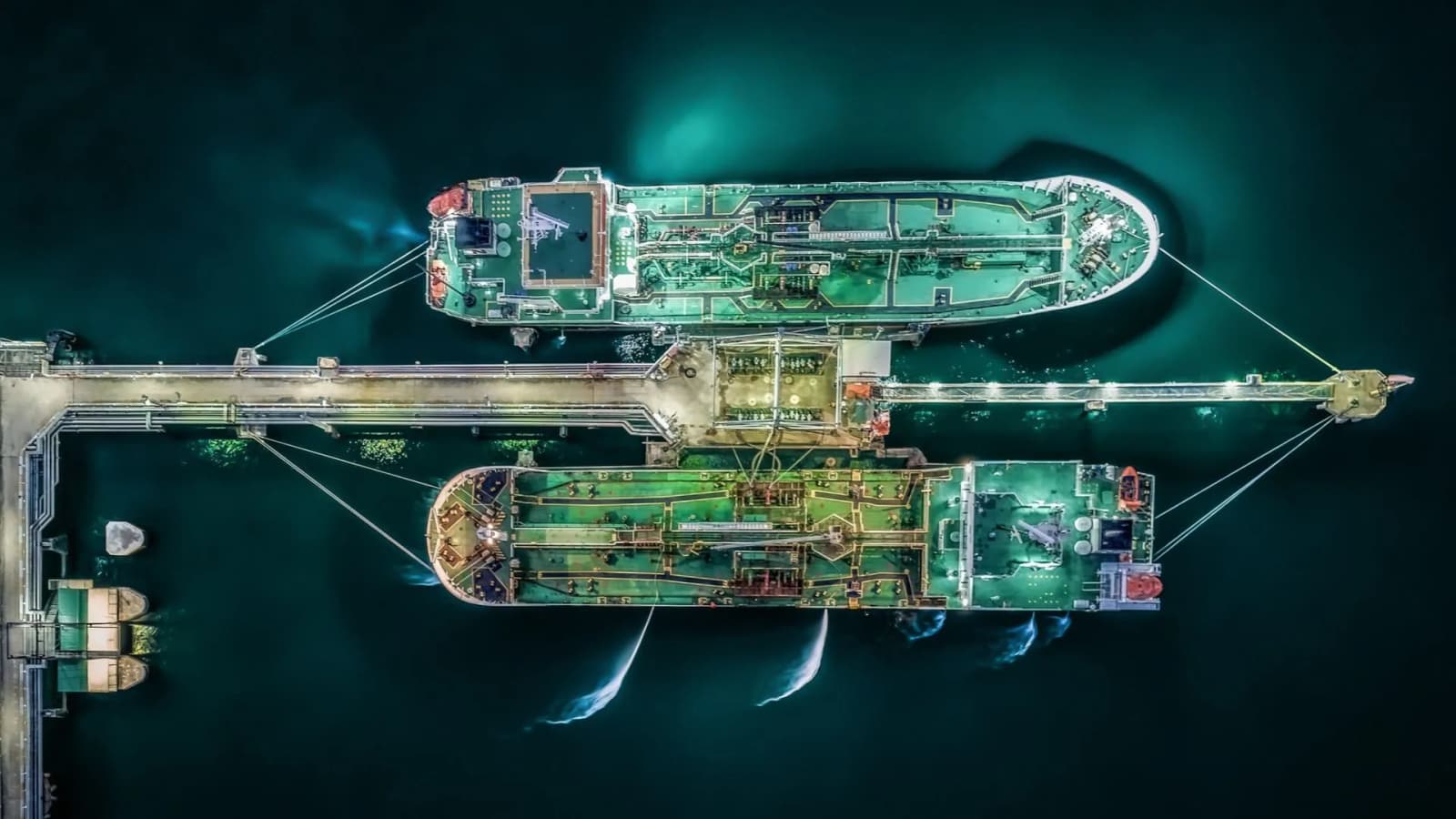
A pair of giant ore carriers will be able to burn three different marine fuels, giving them unusual flexibility on long ocean voyages. The 210,000-metric-ton ships will use ethanol, methanol or conventional heavy fuel oil for propulsion.
Mitsui O.S.K. Lines and Vale International have signed a 25-year agreement covering the vessels. Both ships are scheduled for delivery in 2030 and will primarily transport Brazilian iron ore to destinations worldwide.
The design could become particularly useful as shipping searches for practical ways to cut emissions. Alternative fuels are developing quickly, but their availability and economics still vary widely between ports.
Three fuels expand options
The ships’ tri-fuel engines can switch between heavy fuel oil, methanol and ethanol. That gives operators another way to manage changing fuel supplies during long-distance voyages.
Ethanol stands out for its potential emissions reduction. MOL estimates it can cut lifecycle carbon emissions by up to 90 per cent compared with heavy fuel oil.
The estimate covers emissions from producing the fuel through its eventual use onboard. Ethanol has also attracted interest because its handling requirements could support wider use in marine applications.
Methanol adds another alternative for the vessels. Heavy fuel oil remains available when lower-carbon fuels are unavailable or do not make economic sense.
That flexibility could become important on routes spanning several fuel markets. A vessel travelling between continents cannot assume that every port will offer the same alternative fuels.
Future fuels built in
The ships will also feature an LNG- and ammonia-ready design. That means their propulsion systems can potentially accommodate additional fuel pathways as technology and infrastructure develop.
Energy-saving technologies will further complement the alternative-fuel system. Lower energy demand can reduce fuel consumption regardless of which option powers the vessel.
Each carrier will measure nearly 300 meters long and 50 meters wide. Their dimensions reflect the enormous scale required to move bulk commodities across oceans efficiently.
The vessels will primarily carry iron ore from Brazil to global markets, with China expected to be a major destination. Their 25-year operating agreement also gives the design a long runway for changing fuel technology.
That matters because ships typically remain in service for decades. A propulsion system designed around one fuel could become restrictive if cleaner alternatives gain broader adoption later.
Long-term test for shipping
Vale will use the vessels as part of its efforts to reduce emissions from maritime transportation. Those emissions contribute to the company’s Scope 3 footprint.
MOL also plans to work across the ethanol and methanol supply chains. The effort will cover fuel procurement, supply and bunkering alongside the operation of the vessels.
The wider challenge is making alternative fuels available at the scale required by ocean shipping. Fuel infrastructure must expand alongside demand if ships are to rely on these options regularly.
MOL has set a target of reaching net-zero greenhouse gas emissions by 2050. These vessels give the company a long-term platform for testing several routes toward that goal.
The ships’ biggest engineering advantage may ultimately be their ability to adapt. As fuel prices, supplies and emissions requirements change, operators will have more than one propulsion option available.
Related articles
100-megawatt solar launch sets stage for 100% carbon-free Ford vehicles in Michigan
Every time a new Ford truck rolls off a Michigan assembly line by the end...

Magic Radar 2026: How Do U.S. Utilities Compare on Decarbonization?
See how U.S. carbon offsets break down by project type in 2026, from forestry to methane, refrigerants, and wind.
With 33 18-MW-class turbines, China’s largest wind farm promises 6.6 billion kWh yearly
China’s first large-scale offshore wind power project built around 18-megawatt ultra-large turbines reached full-capacity operation...
14-inch timber slab holds 20 metric tons, could shrink building’s carbon footprint
Reinforced concrete floor slabs account for roughly 40% of a building’s embodied carbon emissions, yet...
US backs Quaise Energy to unlock world’s first commercial superhot geothermal power plant
A geothermal project under construction in central Oregon is aiming to generate more than 50...
US firms join hands to turn 565,000 tons of food waste into renewable natural gas
Vanguard Renewables is set to acquire Generate Upcycle’s North American operations in a deal that...