
OpenAI is adding text watermarking in ChatGPT and Codex
An invisible, machine-readable watermark in text output is rolling out to ChatGPT and Codex, but only for users in the European Union at first.

An invisible, machine-readable watermark in text output is rolling out to ChatGPT and Codex, but only for users in the European Union at first.
OpenAI says its textGrain watermarking "matched or exceeded" other approaches like Google DeepMind's SynthID for text, which is also the basis for the watermarking Anthropic announced in August. Like OpenAI, Anthropic made the move to meet the requirements of the EU's AI Act; however, not everyone was happy to learn about the addition.
OpenAI also included scores from AI benchmarks showing similar performance from watermarked and unwatermarked text. But it notes that textGrain "does not guarantee …
Related articles

38,000-sq-ft Wisconsin facility unites eight labs for next-gen semiconductor materials
EMD Electronics, the North American electronics business of Germany’s Merck KGaA, has opened a 38,000-square-foot...

Sam Altman says ‘some bad things’ will happen but AI is totally worth it
Sam Altman thinks that the benefits of AI will be so great that "the world should accept some bad things happening" along the way.

OpenAI PR tells journalist to ‘move on’ while asking Sam Altman about a ChatGPT user’s suicide
An OpenAI publicist tried to change the topic of CEO Sam Altman's interview with Vanity Fair's Mark Guiducci after the editor brought up a ChatGPT user's suicide.

Video: Robot hand performs magic tricks with precision using 20 independent joints
Chinese robotics startup LinkerBot has demonstrated the dexterity of its new robotic hand by teaching...
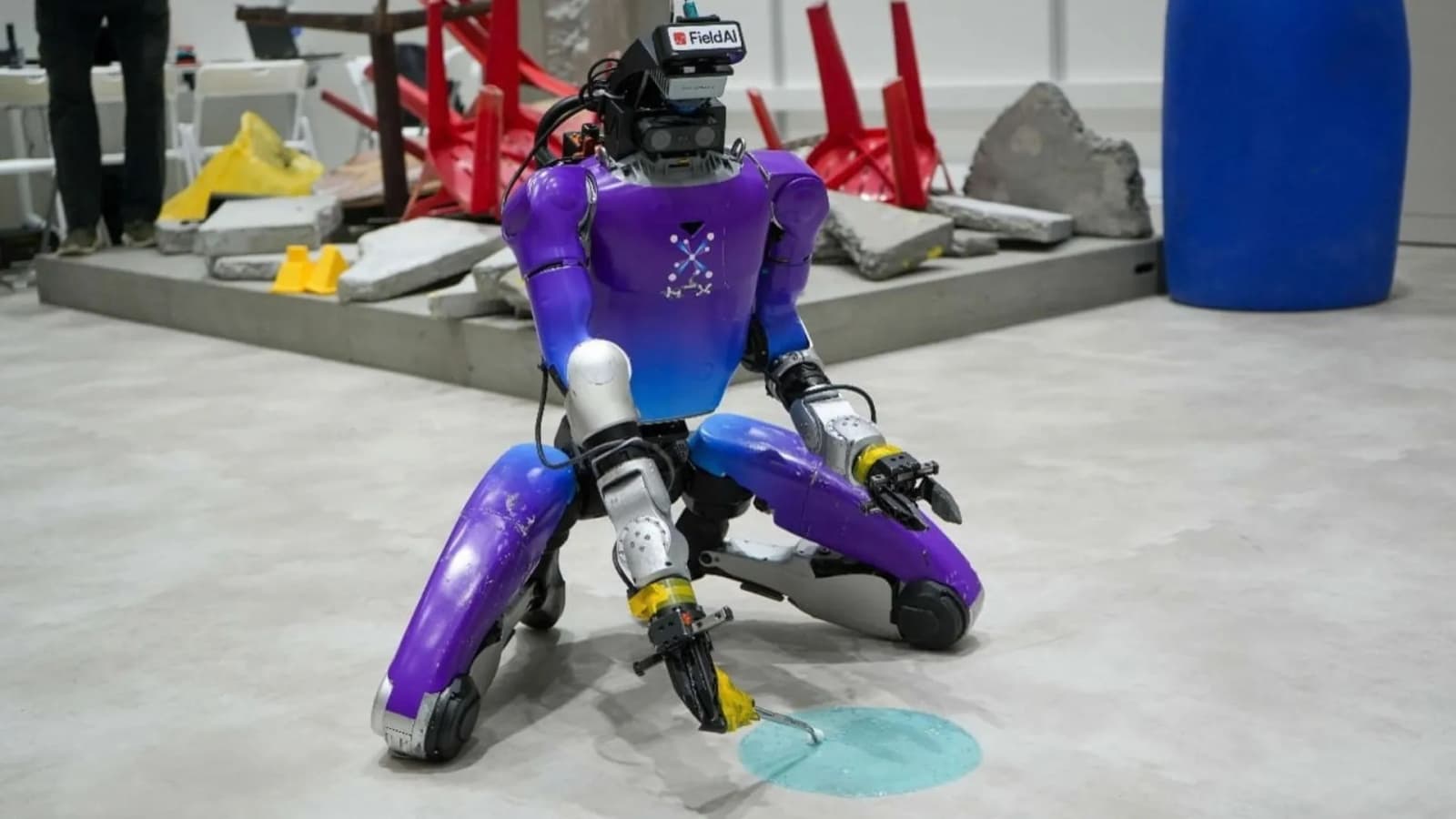
Humanoids to tackle bomb scenes, hazmat threats and prison searches
Singapore plans to deploy AI-powered humanoid robots alongside public safety officers by 2028, expanding the...

Apple’s new M6 Mac Mini is over $100 off
Really the only negative associated with the new M6-powered Mac Mini is its high price.