
Scientists pull hydrogen, fresh water and uranium from single 250kW seawater plant
Chinese scientists have developed a 250-kilowatt system that can produce hydrogen and fresh water from...
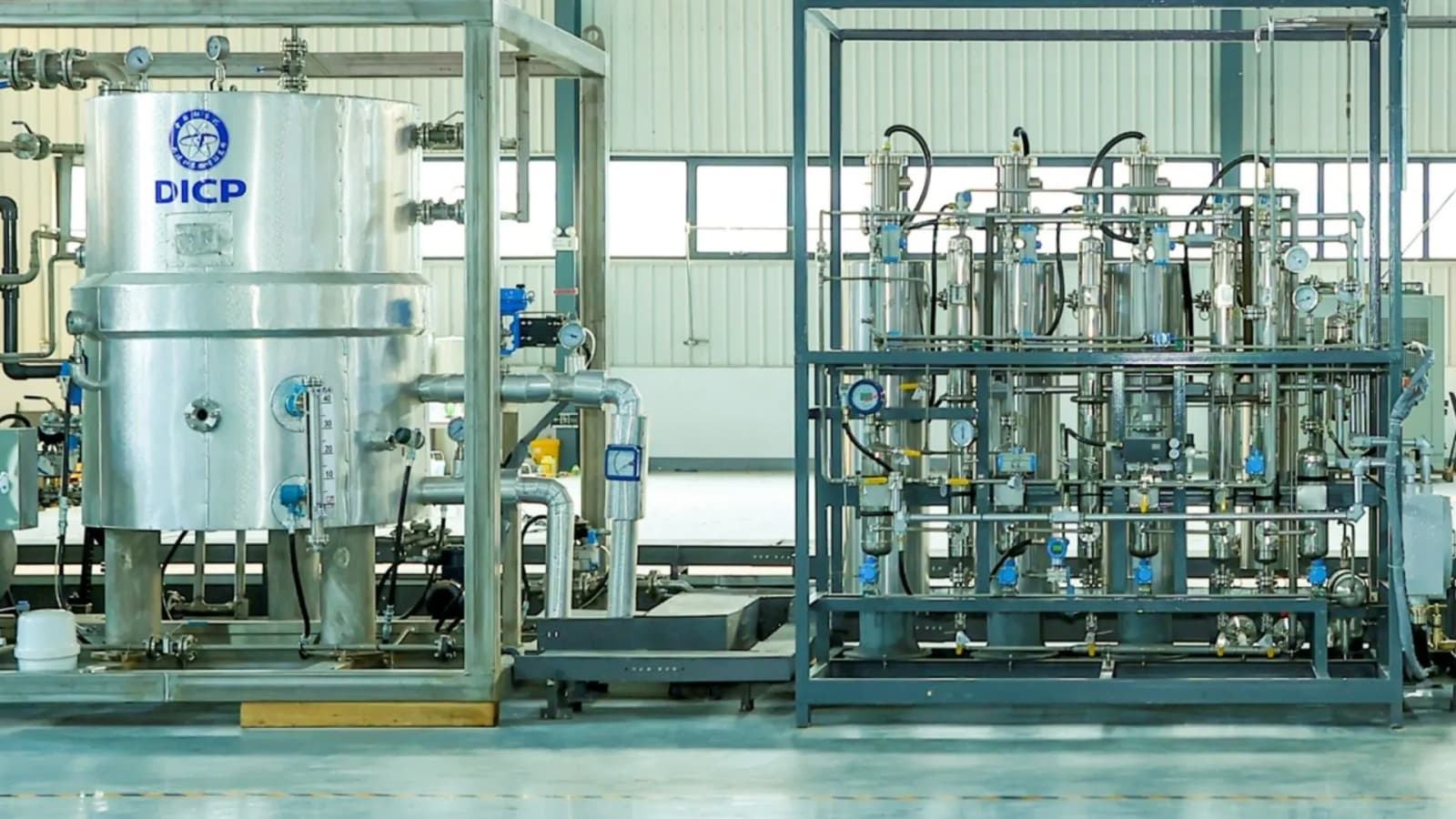
Chinese scientists have developed a 250-kilowatt system that can produce hydrogen and fresh water from seawater while recovering valuable marine resources. The plant also improves electricity use by 14.4 percent compared with conventional alkaline water electrolysis, according to a new study.
The team, led by Deng Dehui and Liu Yanting of the Chinese Academy of Sciences’ Dalian Institute of Chemical Physics, designed the system to address a major problem in seawater-based hydrogen production. The researchers combined electrolysis with a desalination process so that heat normally lost during hydrogen production can be reused.
Tackling problems with seawater electrolysis
Hydrogen made with renewable electricity is being explored as a cleaner energy source. Using seawater could provide an abundant source of water, but direct seawater electrolysis creates several technical problems.
Chloride ions in seawater can react at the anode and corrode the electrode. Calcium and magnesium ions can also form mineral deposits on the cathode, reducing its performance over time.
A second method first removes salt from seawater before using the resulting fresh water for electrolysis. Reverse osmosis and distillation can produce suitable water, but desalination adds equipment and increases electricity demand.
The researchers built on this approach and looked for a way to recover energy that is normally lost during the process.
Waste heat powers desalination
Commercial electrolysis systems can operate at around 176 to 194 degrees Fahrenheit (80 to 90 degrees Celsius). At these temperatures, about 30 percent of the electricity can become low-quality waste heat, according to the study.
The researchers connected the electrolyzer to a desalination unit to capture this heat. Waste heat is directed into a vacuum distillation tower, where it helps seawater boil and evaporate at only 104 to 122 degrees Fahrenheit (40 to 50 degrees Celsius).
The resulting vapor is condensed into fresh water. The Chinese Academy of Sciences said the system can produce enough water to supply the electrolyzer while leaving additional fresh water available.
The concentrated seawater can also be processed to recover salt, uranium, bromine and other marine resources.
Larger plant runs for 40 days
The work builds on a 25-kilowatt unit the team developed in 2023. That system used the same desalination technology and was rated internationally leading by the China Petroleum and Chemical Industry Federation.
The researchers have now scaled the design to 250 kW. The larger plant can produce 380,000 standard cubic meters (about 13.4 million standard cubic feet), of hydrogen annually. The hydrogen has a purity of 99.99 percent.
The plant also produces 256 metric tons (about 282 U.S. tons), of fresh water each year. During testing, the system operated for 40 days under daily start-stop conditions without an obvious decline in performance.
Lower costs could support green hydrogen
The study found that the integrated system improved electricity utilization by 14.4 percent compared with traditional alkaline water electrolysis. The researchers also found that the system could be more competitive than conventional seawater desalination followed by electrolysis.
The estimated hydrogen production cost was $2.10 per kilogram when electricity came from onshore wind at $0.033 per kilowatt-hour. The cost rose to $2.90 per kilogram when solar electricity cost $0.049 per kWh. The study compared these figures with a current hydrogen selling price of about $3.90 per kilogram.
Deng said future work should focus on better catalysts, improved recovery of electrolyzer waste heat and artificial intelligence-based optimization of operating parameters to increase system efficiency further.
The study was published in the journalNature Energy.
Related articles

Sen. Adam Schiff on AI regulation, free speech, and impeaching Trump one more time
Today, I’m talking with Senator Adam Schiff, a Democrat from California. Sen.

Northrop Grumman flies self-funded YFQ-48A Talon Blue autonomous fighter
Northrop Grumman has completed the first fully autonomous flight of its YFQ-48A Talon Blue aircraft,...

OpenAI is sticking more ads in ChatGPT
OpenAI's latest ad format will put images of sponsored products and services on your screen.

An open-source tool lets you delete 12GB of Apple Intelligence data on macOS
Getting some extra storage space on your Mac could be as easy as deleting Apple's AI features with a new open-source command line tool called RemoveMacAI.

New RP1 humanoid for open-source robotics research unveiled by RoboParty
Chinese robotics firm RoboParty has unveiled RP1, a full-stack open-source humanoid robot designed for robotics...

Rheinmetall launches first satellite for space-based air defense surveillance
Rheinmetall has launched its first jointly developed satellite with Italian space company Argotec, beginning an...