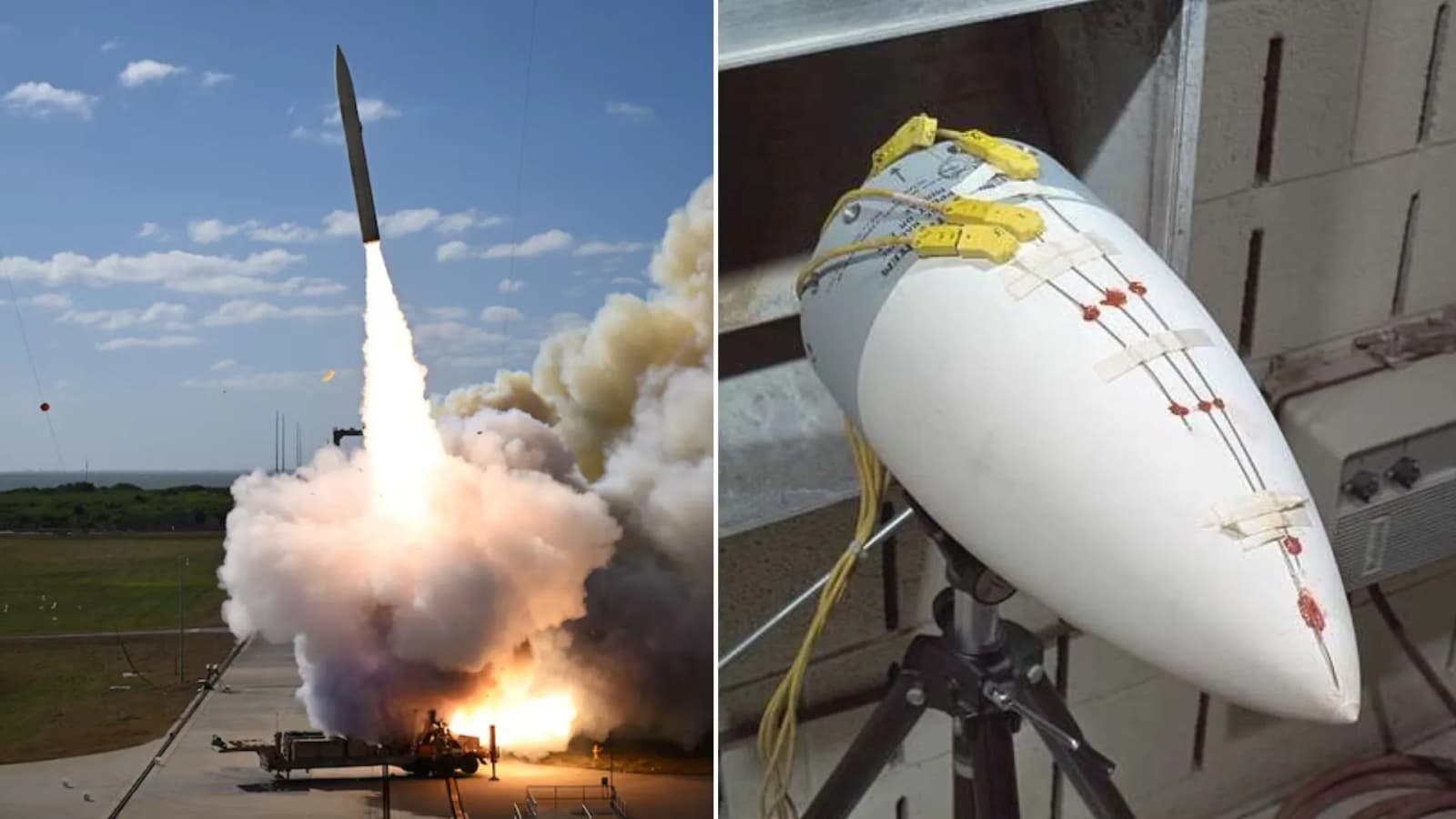
Scramjet vs rocket: Which propulsion technology is better for hypersonic weapons?
Hypersonic weapons promise to reach targets at more than five times the speed of sound,...
This story was prepared automatically by software.
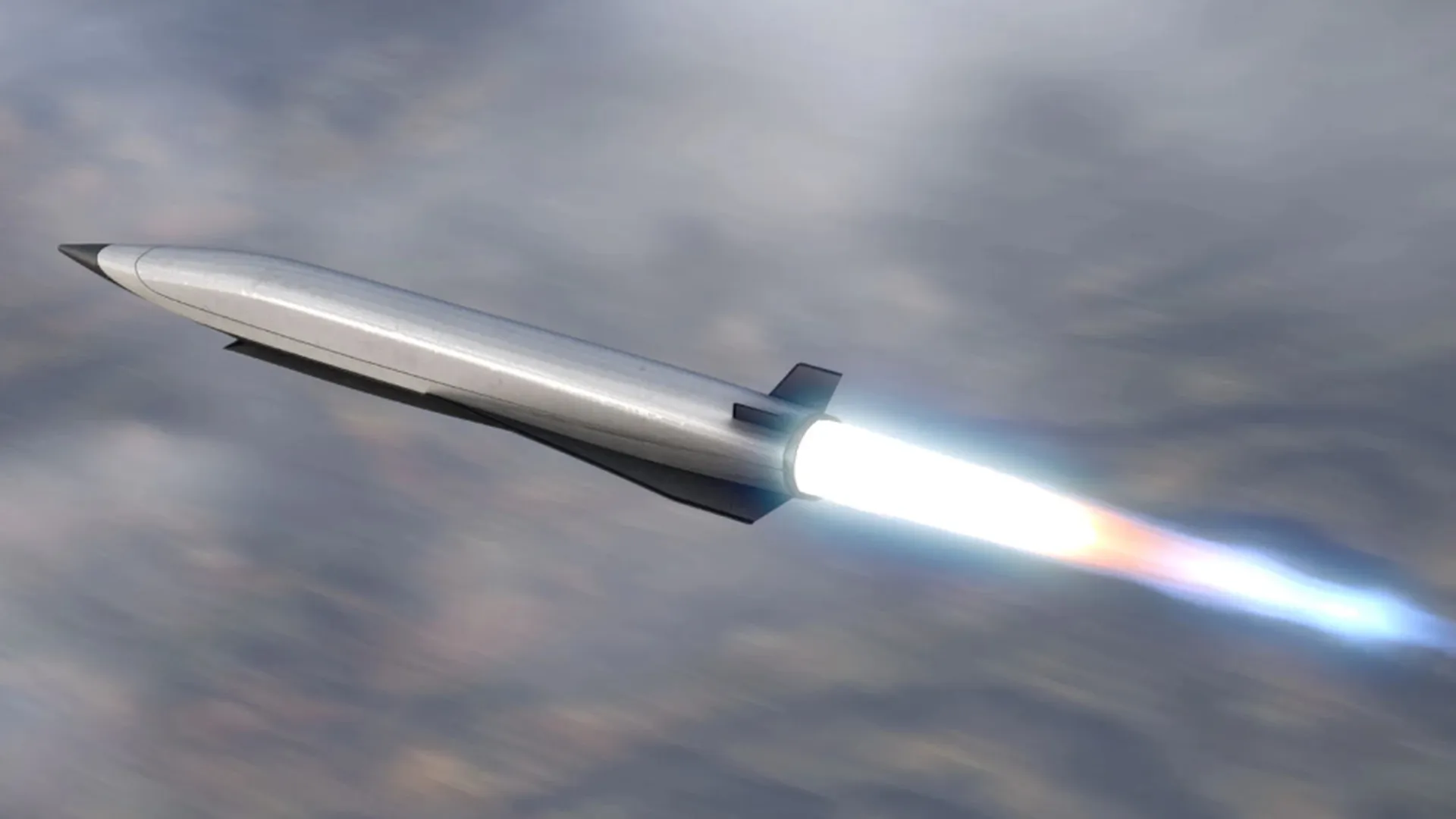
Hypersonic weapons promise to reach targets at more than five times the speed of sound, but getting them there requires some serious engineering. Two propulsion technologies play central roles: conventional rockets, which carry their own oxygen supply, and scramjets, which breathe air from the atmosphere.
Neither is universally better. Rockets provide the acceleration needed to reach hypersonic speeds, while scramjets can sustain powered flight through the atmosphere without carrying an onboard oxidizer. In some hypersonic weapons, the two technologies work together.
Rockets provide the initial boost
Rocket engines carry both fuel and an oxidizer, so that they can generate thrust without atmospheric oxygen. This makes them versatile: they can operate from a standstill, at high altitudes, and even in space.
For hypersonic weapons, that capability is particularly valuable during acceleration. A rocket can rapidly propel a vehicle to the speeds needed for its mission, whether it is carrying a conventional payload or releasing a glide vehicle that continues toward its target without sustained engine power.
The drawback is that rockets must carry their oxidizer alongside their fuel. That adds mass, which could otherwise be allocated to fuel, payload, or other components. Sustaining powered flight can also consume propellant quickly, depending on the vehicle’s design and flight profile.
Rockets remain an established technology with decades of operational experience behind them. For boost-glide weapons and missiles that need powerful initial acceleration, they are a natural choice.
Scramjets use air to sustain hypersonic flight
A scramjet, short for supersonic combustion ramjet, takes a different approach. It draws oxygen from the atmosphere rather than carrying its own oxidizer. As the vehicle moves forward at high speed, its inlet compresses incoming air before fuel is injected and burned.
The key distinction is that airflow through the combustion chamber remains supersonic. This allows the engine to operate at hypersonic flight speeds without the rotating compressor and turbine found in conventional jet engines.
Scramjets can potentially sustain hypersonic cruise more efficiently than a rocket because they do not need to carry an onboard oxygen supply. But they usually cannot generate enough thrust from a standstill to accelerate into their operating range. A booster or another propulsion system must first accelerate the vehicle to a sufficient speed.
Keeping combustion stable in airflow moving at several times the speed of sound is also exceptionally difficult. The engine must manage fuel mixing, pressure, and extreme temperatures in milliseconds.
NASA and DARPA demonstrated the technology
NASA’s X-43A experimental aircraft helped establish that scramjet propulsion could work in free flight. In November 2004, the research vehicle reached approximately Mach 9.6 after a rocket booster accelerated it to the required speed and altitude. Its scramjet operated briefly before the vehicle completed its test flight.
Military research has followed a similar path. In 2021, DARPA and the US Air Force announced a successful flight test of the Hypersonic Air-breathing Weapon Concept (HAWC), a scramjet-powered cruise missile demonstrator developed by Raytheon. A 2023 HAWC flight demonstrated another design developed by Lockheed Martin.
These tests showed that air-breathing hypersonic propulsion is feasible, but turning experimental systems into reliable, affordable weapons remains a substantial engineering challenge.
Why hypersonic weapons may need both
Rockets and scramjets solve different problems. Rockets offer powerful acceleration and greater flexibility across operating environments. Scramjets offer the potential for sustained, powered hypersonic flight within the atmosphere without carrying an oxidizer.
That is why some proposed hypersonic cruise missiles combine the technologies. A rocket booster accelerates the vehicle, then separates once the scramjet can take over. Boost-glide weapons follow a different approach, using rocket propulsion to accelerate a vehicle that then glides toward its target.
Ultimately, the better technology depends on the mission. Rockets remain the more versatile propulsion option, while scramjets are promising for sustained atmospheric hypersonic cruise. Neither eliminates the heat, control, cost, and reliability challenges that make hypersonic weapons so difficult to develop.
Source: https://interestingengineering.com/military/scramjet-vs-rocket-propulsion-technology
Related articles