
Suspected Russian plague case draws White House scrutiny as 200 face quarantine
An institution built explicitly to neutralize biological catastrophes is now at the center of one....

An institution built explicitly to neutralize biological catastrophes is now at the center of one.
Panic swept through the Irkutsk region of eastern Siberia this weekend following the death of Darya Shipilova, a 28-year-old laboratory technician at the Irkutsk Research Anti-Plague Institute. Shipilova died in an intensive care unit on October 2.
The public health agency Rospotrebnadzor insists the official cause of death is “pneumonia of unknown aetiology”. Reports indicate she accidentally broke a test tube containing live Yersinia pestis (plague) bacteria on September 25. Responsible for the devastating Black Death pandemic of 1346 to 1353, this deadly bacterium claimed between 25 and 50 million lives in Europe alone.
The White House and the US State Department are actively tracking reports of this suspected pneumonic plague case in Russia. American officials continue to evaluate the potential outbreak and its broader biosecurity implications.
Quarantine measures
The emergency measures triggered across the region speak louder than the official reassurances.
Authorities swiftly placed around 200 people under strict medical observation. Multiple local hospitals in Irkutsk were closed and placed under a three-week quarantine, according to reports.
Face masks were distributed to local kindergartens, and mandatory mask mandates were slapped on workers at the nearby Irkutsk Aluminum Plant.
“All identified close contacts are under medical supervision. At present, they show no signs of the disease, and their laboratory test results are negative,” the official stated.
Independent media outlets like *Baikal People*reported that the fatal chain of events began on September 25. Shipilova was allegedly handling live biological material when she accidentally shattered a test tube containing active plague bacteria.
Her condition deteriorated rapidly over the following 48 hours. Hospitalized on September 29, doctors initially suspected a severe case of COVID-19 and placed her in an isolated respiratory ward. As her lung function plummeted, she was placed on a ventilator, but the intervention came too late.
As the most lethal and airborne variant of the infection, pneumonic plague is nearly always fatal unless specific antibiotics are given quickly.
Public panic
A wave of conflicting official statements quickly followed, driving public anxiety through the roof.
In the immediate aftermath, regional officials carefully scrubbed the word “plague” from public statements.
Euronews reported that Irkutsk Governor Igor Kobzev posted updates describing the incident as merely a “particularly dangerous infection” while claiming everything remained under strict control. Meanwhile, Alexey Tsydenov, head of the neighboring Buryatia republic, publicly confirmed her death was linked to a plague infection before quietly editing his statement hours later to use more ambiguous phrasing. But he also added that “there are no plague outbreaks” in Buryatia.
Another warning urging citizens not to travel to Shelekhov was posted by local authorities in nearby Baikalsk—only to be mysteriously deleted
Prominent Russian epidemiologist Gennady Onishchenko stepped into the fray to calm nerves. He reminded the public that native plague vectors (like rodents and fleas) enter winter hibernation in early October.
Yet, reassurance is hard to sell when residents see hazmat teams on their doorsteps.
Attempting to de-escalate the scare, Rospotrebnadzor declared the regional sanitary situation stable after secondary testing showed no traces of dangerous pathogens linked to Shipilova’s research. The public health agency also said no biological safety breaches or laboratory accidents occurred at the facility.
For the residents of Shelekhov, however, the official narrative of a routine pneumonia death feels completely disconnected from the sudden quarantine of 200 people. As health officials monitor those in isolation, the Siberian town is waiting to see if the containment walls will hold.
Source: https://interestingengineering.com/health/suspected-russian-plague-white-house-scrutiny
Related articles

Top US rivals test high-tech military drones, robots, new warfare tactics to boost battlefield power
China has deployed troops alongside Russian forces for a large multinational military exercise that Moscow...

US deploys anti-ship missile system to Japan’s island closest to Taiwan
The US military is preparing to deploy its NMESIS anti-ship missile system to Yonaguni, Japan’s...

Taiwan’s first two US-made F-16V jets finally arrive after mysterious six-week Hawaii pause
Taiwan has taken receipt of its first two of a batch of F-16 Block 70...
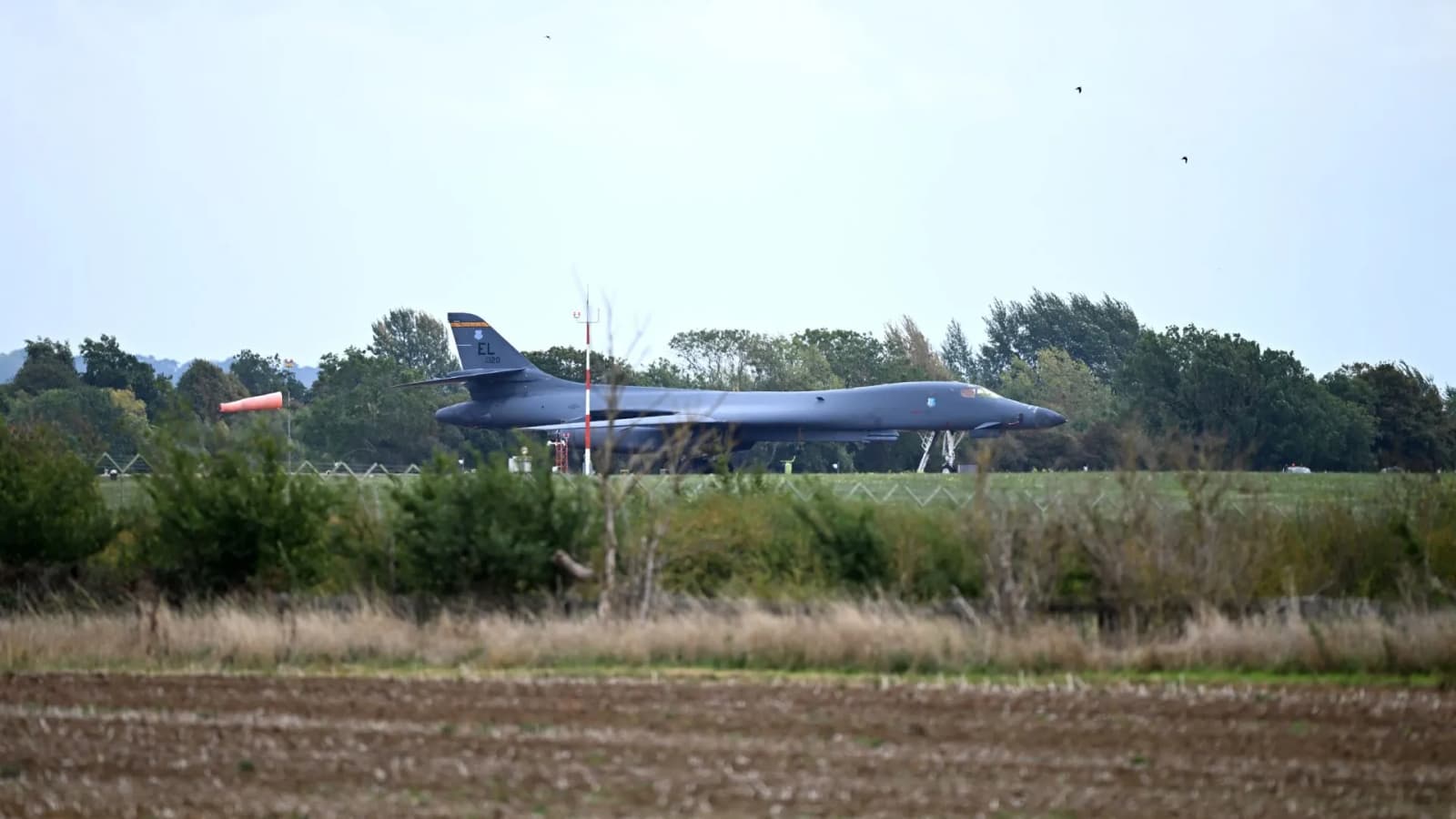
UK base hosting US bombers for Iran strikes targeted in suspected terror plot: Police
Five men were arrested near RAF Fairford in southwest England on September 27 after police...

China, US agree to pursue military crisis communication pact to prevent escalation
China and the United States have agreed to pursue a new military crisis-communication agreement after...

Mapped: The World’s Military Alliances in 2026
This map shows five major mutual defense alliances around the world, including NATO, the Rio Pact, CSTO, GCC, and the new Mecca Defence Alliance.