Tesla Semi faces competition as new electric trailer cuts diesel use by over 36%
Diesel trucks could cut fuel consumption without swapping their engines for batteries. Range Energy said...
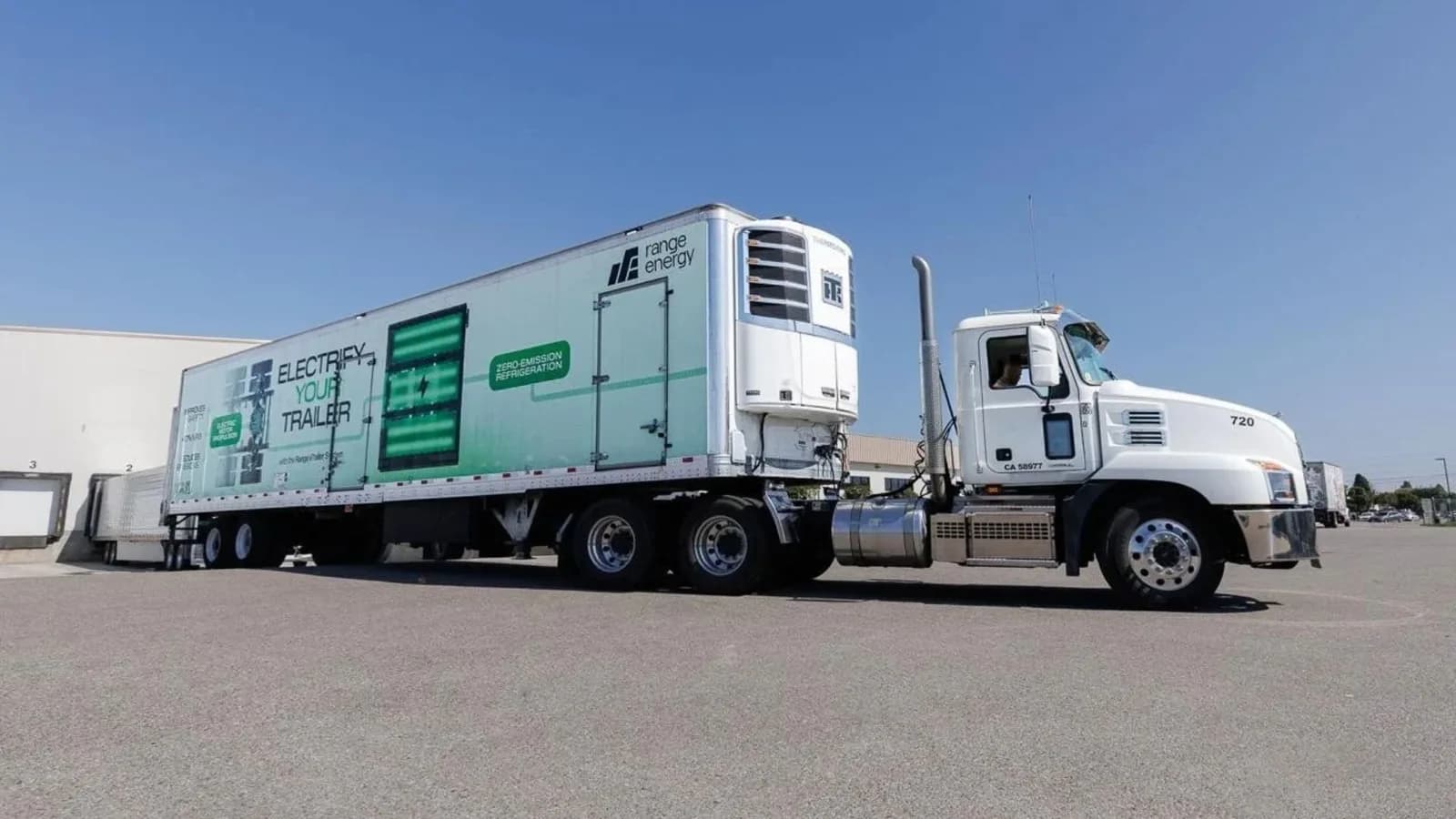
Diesel trucks could cut fuel consumption without swapping their engines for batteries. Range Energy said its electric trailer cuts tractor fuel use by 36.5 percent on the miles it assists, while also powering the trailer’s refrigeration unit.
The California-based company released a white paper on October 26 comparing its eTrailer with conventional diesel equipment and a Tesla Semi.
Targeting grocery and foodservice refrigerated fleets, the analysis models seven years of operation to assess fuel savings, charging costs, and financial returns.
Across 1,000 simulated futures, the eTrailer delivered better financial results than a Tesla Semi with its own depot charger in 61 percent of cases. The findings come from Range’s modeling, and production deliveries are scheduled to begin in late 2027.
Electrifying the trailer
Range’s approach adds an electric powertrain to a Class 8 semi-trailer, allowing fleets to retain their existing tractors rather than purchase electric replacements.
According to the company, the eTrailer connects to any tractor without modifications or special driver training. Once its battery is depleted, the truck can continue its route using diesel.
For refrigerated fleets, the system addresses two sources of diesel consumption: the tractor’s engine and the refrigeration unit, commonly called a reefer.
The reported 36.5 percent reduction in tractor fuel consumption applies specifically to assisted miles. That translates to approximately 57 percent better fuel economy over those miles, while the reefer runs on electricity.
“Fleets need to see the most fuel savings for every dollar they invest, with equipment that fits how they already operate, yet the path off diesel has largely been framed as a choice between staying put and buying a new electric truck,” said Kyle Foley, CEO of Range.
Modeling seven years of costs
Range’s engineering team used a Monte Carlo analysis, which tests different combinations of uncertain inputs rather than relying on one forecast.
Its 1,000 scenarios varied diesel and electricity prices, charger installation costs, insurance, resale values, and eTrailer fuel savings drawn from pilot data.
The base case assumed diesel at $5.07 per gallon and excluded purchase incentives for both options. Under those assumptions, the eTrailer and a Tesla Semi with a dedicated depot charger both paid back their investment in under six years.
Over seven years, the analysis estimated that the eTrailer avoided 387 gallons of diesel per $1,000 invested, compared with 358 gallons for the Semi configuration.
Charging at the loading dock
The eTrailer uses a standard 480-volt dock circuit. Range estimates a typical installation costs about $5,200 and takes roughly a month, compared with an average installed cost of $51,500 for a Tesla Semi depot charger.
The study also models existing depot power supporting about eight eTrailers, versus approximately three Semis on individual chargers, before additional utility service is needed.
Range said the trailer can also work with electric tractors, adding at least 100 miles of range while powering refrigeration independently of the truck’s battery.
For fleets considering the system, the white paper provides modeled costs and pilot-based savings ahead of the planned 2027 production deliveries.
Source: https://interestingengineering.com/transportation/electric-trailer-promises-fuel-savings
Related articles