Brazil's stocks sink 13.88% and the real suffers its worst day since 1999 after Lula's re-election
Brazil's Ibovespa fell 13.88% on Monday and the dollar jumped 8.21% against the real after Lula da Silva's re-election, with trading halted for 30 minutes after the open.
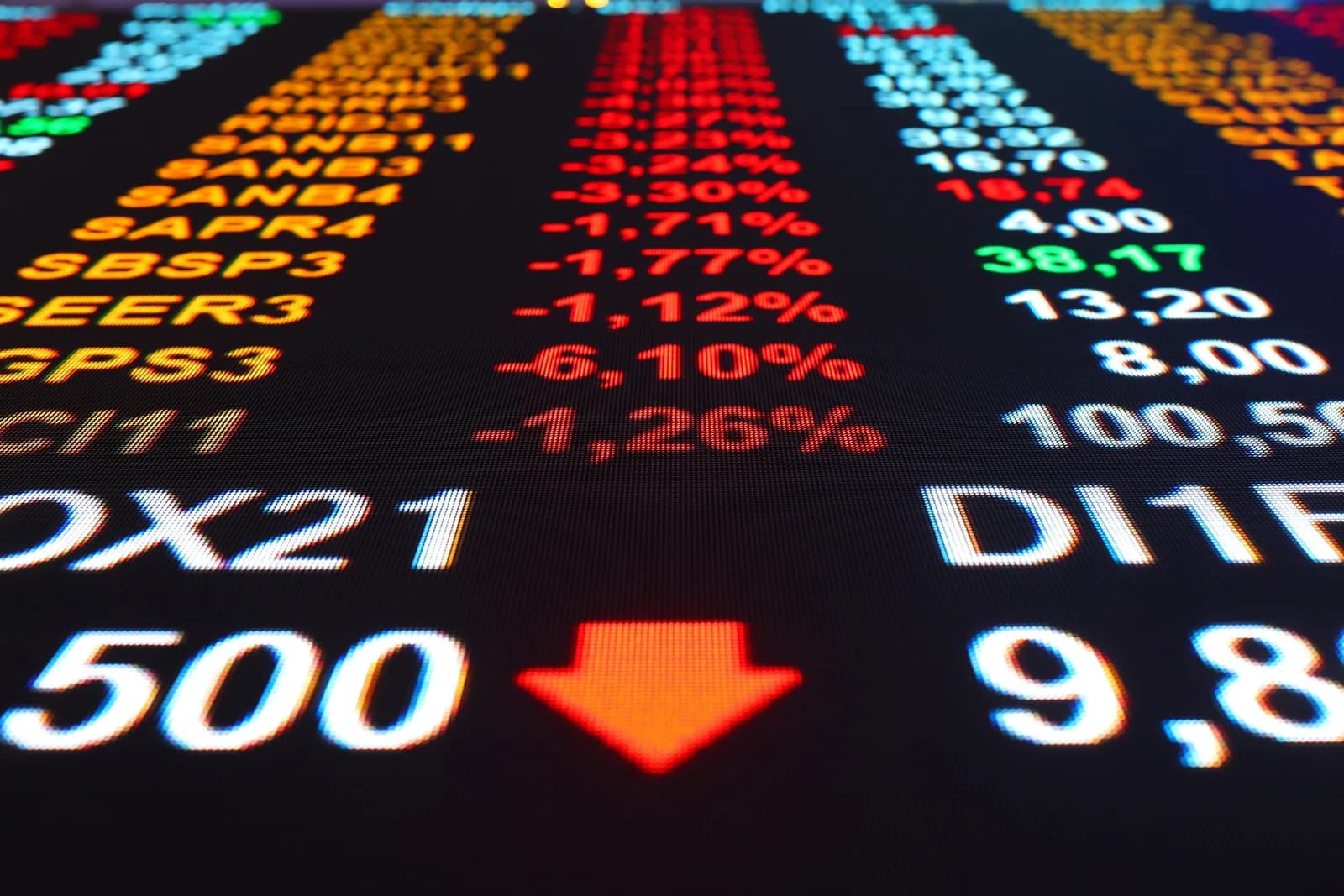
Brazil's financial markets plunged on Monday, October 26, after President Luiz Inácio Lula da Silva won re-election in the presidential run-off. Investors had expected a more fiscally conservative government after Flávio Bolsonaro finished first in the opening round, and they dumped Brazilian stocks, bonds and the real, Valor International, G1 and Reuters reported.
Stocks fall 13.88%
According to G1, the benchmark Ibovespa index fell more than 10% in the first minutes of trading. That triggered the circuit breaker, a mechanism that temporarily stops trading, and exchange operator B3 halted trading for 30 minutes, Reuters reported. The index closed down 13.88% at 176,608 points, its steepest one-day fall since the COVID-19 turmoil of 2020.
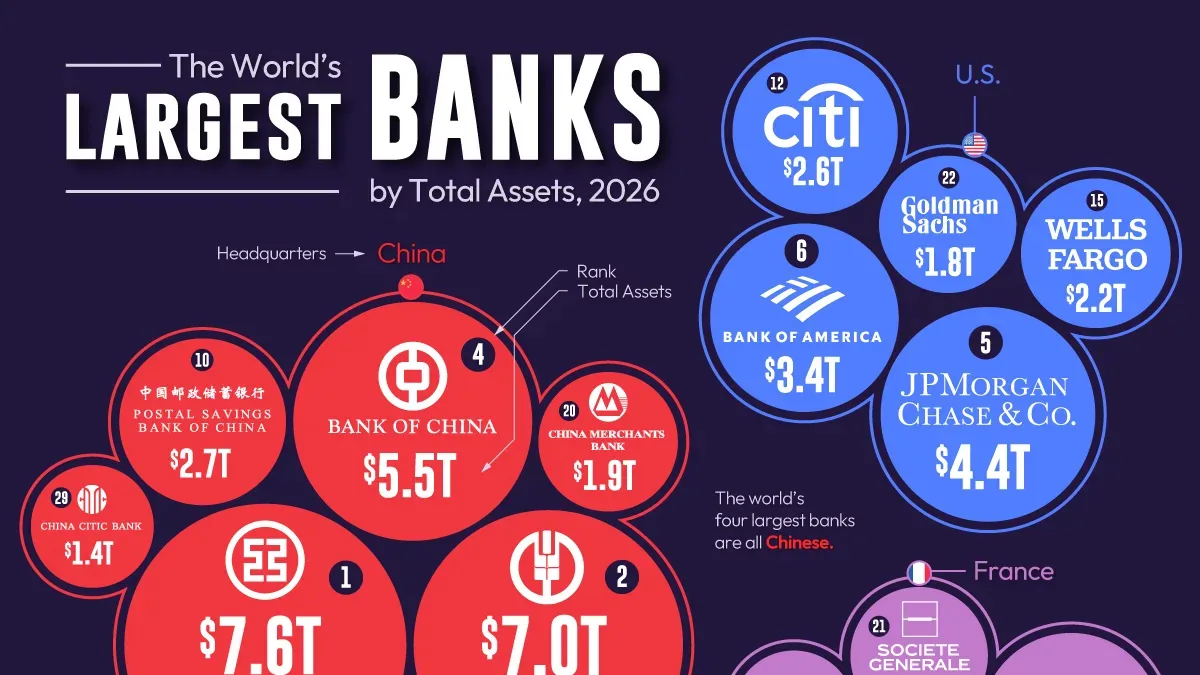
Companies tied to domestic consumption and retail fell hardest, with Magazine Luiza down 58.23%. Among the big banks, Banco do Brasil fell 27.31%, BTG Pactual 24.83% and Itaú Unibanco 13.66%. Petrobras preferred shares lost 8.18%. Exporters such as Suzano, Embraer and Vale rose as the dollar strengthened.
Real suffers its worst day since 1999
The dollar rose 8.21% against the real to R$5.40, its biggest single-day gain since 1999. Reuters reported that the real weakened about 12% early in the session. The January 2035 interest-rate futures contract briefly rose above 16% before closing at 15.19%.
To calm markets, the National Treasury cancelled government bond auctions scheduled for October 27 and 29 and bought back R$14 billion of debt. Valor reported that J.P. Morgan, UBS, Morgan Stanley, Barclays and Citi were among the foreign banks that changed their positions on Brazilian assets.
What to watch
Analysts say the key signal for markets will be Lula's choice of finance minister and his plan for fiscal discipline. Brazil's public debt already exceeds 82% of GDP, and Lula's team aims for a primary budget surplus of about 1.3% of GDP by 2030. Bolsonaro has refused to concede and has pledged to seek an annulment of the result, adding to the uncertainty.
The story was widely shared among Mongolian users on X.

Бразилын ерөнхийлөгч Лула да Силва улиран сонгогдсоны дараа тус улсын санхүүгийн зах зээл огцом уналаа. Financial Times-ийн мэдээлснээр: 📉 Реалын ам.доллартай харьцах ханш арилжааны эхэнд бараг 12 хувиар суларчээ. 📉 Бовеспа хувьцааны индекс 15 хувиар унажээ. 📈 Дотоодын
Show more
Sources: Valor International, G1, Reuters (via Nikkei Asia).
Related articles