US Army drills nighttime Patriot reloads with crane truck at Fort Hood
U.S. Army crews at Fort Hood, Texas, practiced reloading Patriot missile launchers in the dark...
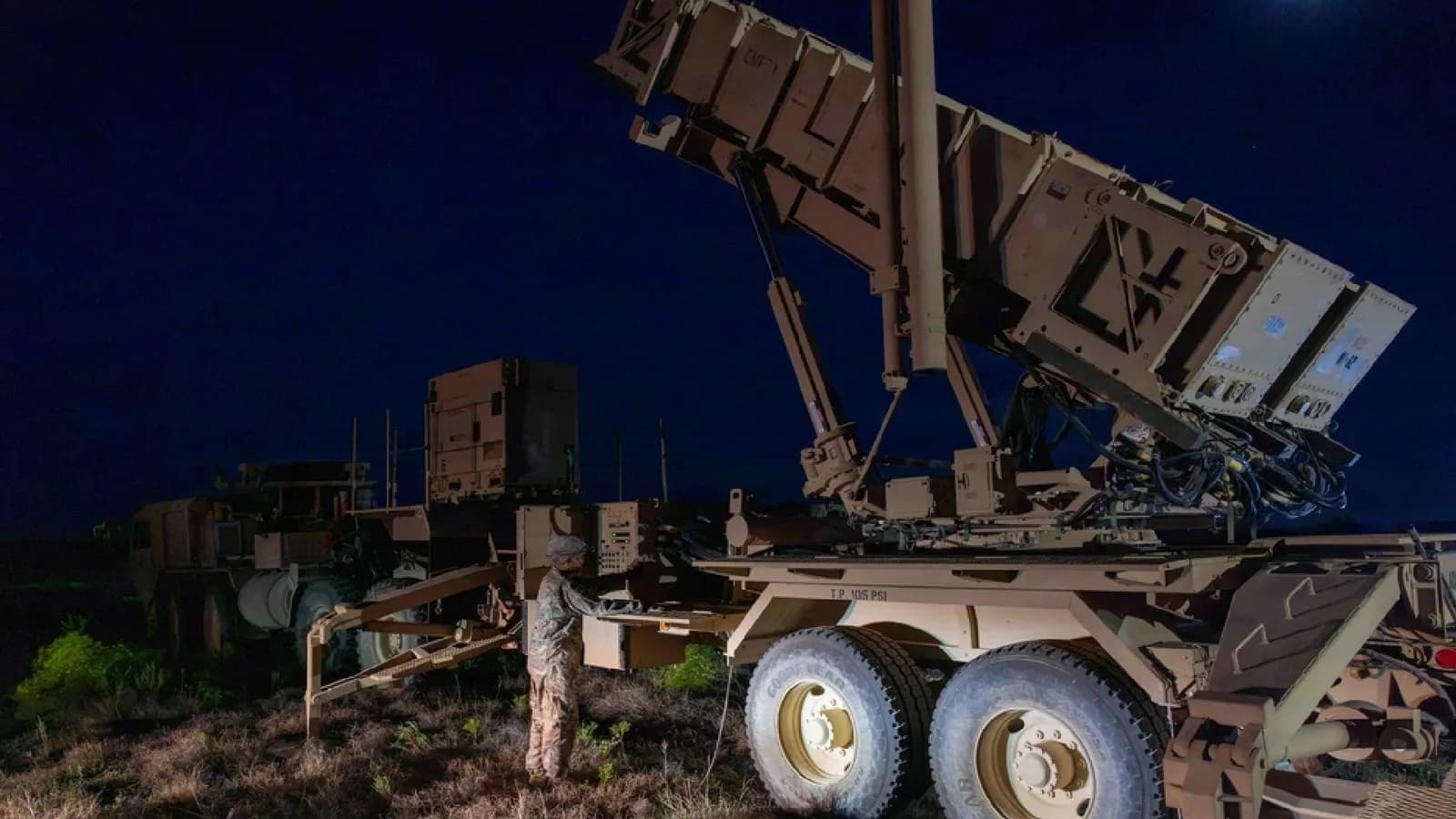
U.S. Army crews at Fort Hood, Texas, practiced reloading Patriot missile launchers in the dark on Oct. 23, rehearsing the work needed to keep air-defense batteries firing once their first interceptors have left the launcher, Defence Industry Europe reported.
Soldiers from Delta Battery, 1st Battalion, 62nd Air Defense Artillery Regiment, 69th Air Defense Artillery Brigade, ran the drill as part of the battalion’s mission readiness exercise, the Army said. The exercise began Oct. 19 and evaluates how firing batteries, headquarters and support personnel establish, operate and sustain Patriot air defense systems in the field.
How a night reload works
Crews used a modified M985 heavy tactical truck with a heavy-duty crane to remove and replace training missile canisters on a Patriot M903 launching station. In this role the M985 is a guided missile transporter, a truck that carries reload missiles to the launchers, a job that becomes critical once a battery has fired its first load of interceptors.
Soldiers lifted, positioned and secured each canister, coordinating crane movements and communicating as they worked. Headlamps lit the work areas, but visibility was limited, so soldiers also had to watch the movements of people and equipment around them. One soldier served as the signal person, while others handled the canister’s tagline and the crane commands.
A Patriot launcher can hold up to 16 of the newer PAC-3 interceptors or four older PAC-2 missiles, which is why a crane is needed to reload them.
Why it matters
“It’s not enough to get a Patriot system into position,” said Capt. Grace Ko, Delta Battery’s commander. “Our Soldiers must be able to keep it operational.” Night reloads give crews experience with challenges they could face on a real mission, she said, adding that “we need to be ready to sustain the fight.”
Junior leaders in charge
Junior leaders and crews carried out the drill. First Sgt. Pattrick Harris said battery leaders set the standard, provide resources and let teams execute, which builds confidence and shows what crews are capable of. Sgt. Kobly Bagley, the reload crew’s signal person, said the experience taught him to trust his own safety awareness and the people working around him.
Part of a busy training year
The battalion has trained regularly at Fort Hood. In July, Delta Battery practiced site establishment, moving, setting up and securing an air-defense site with M903 launching stations, the AN/MSQ-104 engagement control station, the OE-349 antenna mast group and the Patriot electric power plant.
During the current exercise, Delta Battery positioned an M903 launcher on Oct. 21, while other batteries performed maintenance on another launcher, set up an antenna mast group and positioned a missile transporter.
What the drill tested
The reload drill used training canisters, not live missiles. The Army said it tests soldiers’ ability to safely remove and replace the canisters while strengthening crew coordination and the ability to sustain Patriot operations.
Related articles