Companion humanoid robots combine lifelike silicone skin with 39 degrees of freedom
Realbotix is putting a hefty price tag on physical AI companionship, with its new Echo...
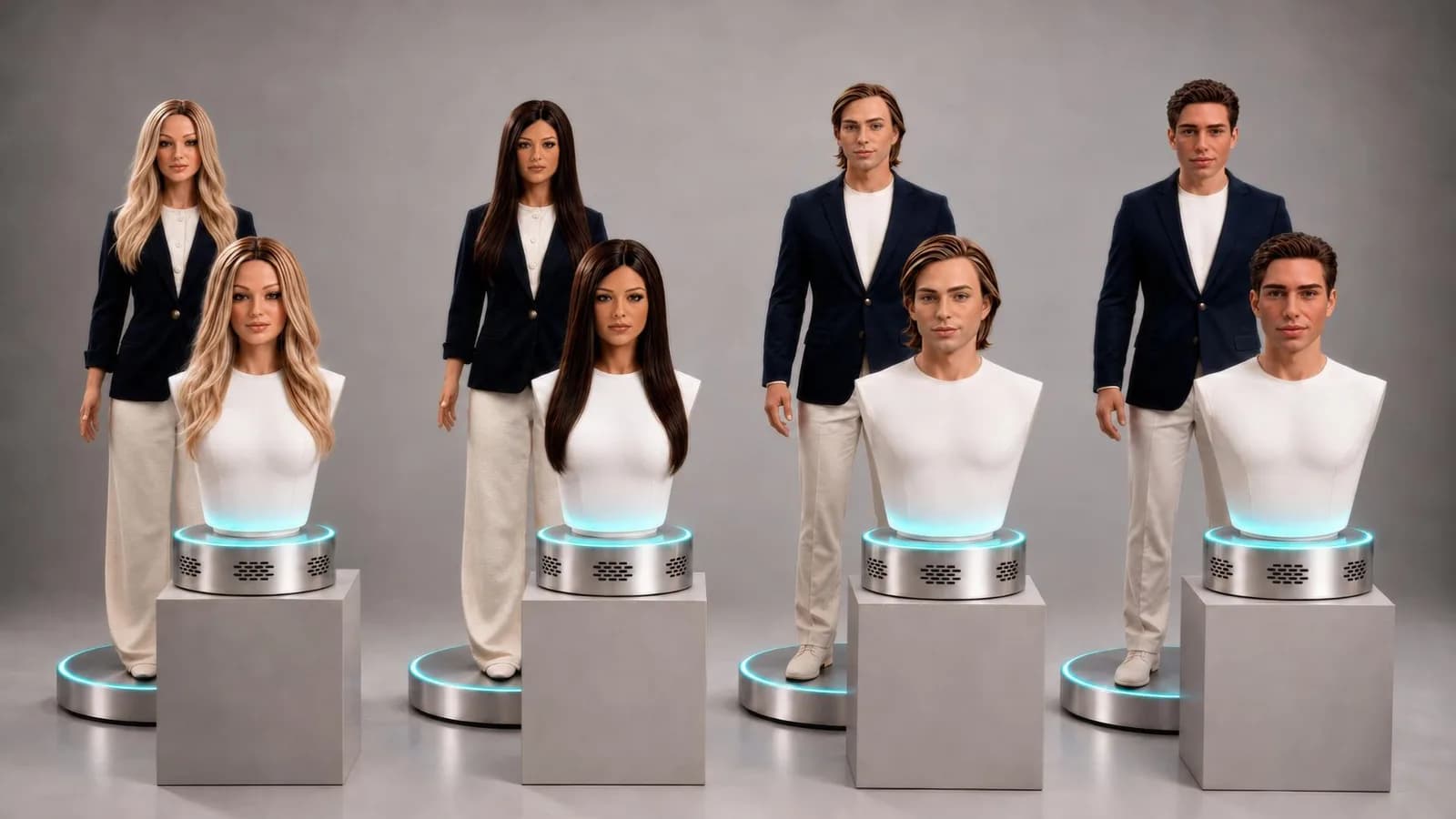
Realbotix is putting a hefty price tag on physical AI companionship, with its new Echo humanoid robots starting at $11,950. The lineup combines lifelike silicone skin, articulated movement, and integrations with popular conversational AI platforms. The most expensive configuration costs $59,950 and offers 39 degrees of freedom for upper-body movement.
The Canadian robotics company plans to manufacture just 250 units in its initial production run. That allocation includes 225 tabletop robots and 25 full-body models, with deliveries scheduled for the second half of 2027. Customers can reserve a unit with a $199 deposit, although the purchase also carries a mandatory monthly software subscription.
Two configurations, distinct capabilities
The $11,950 Echo Tabletop measures 32 inches tall and weighs approximately 25 pounds. Its 17 degrees of freedom allow movement across its articulated structure. Silicone-based synthetic skin covers its face and neck, giving the robot a more lifelike exterior. Realbotix positions this configuration for individual interactions involving education, therapy, and personal wellness.
The $59,950 Echo Full Body stands considerably taller. The female configuration measures 72 inches, while the male version reaches 77 inches. Both measure 28 inches wide and deep, with a listed weight of approximately 88 pounds. Its 39 degrees of freedom support more extensive upper-body movement.
Neither configuration offers a fully articulated human body. Realbotix describes fluid upper-body motion on the full-body model, so buyers should not confuse its joint count with unrestricted humanlike mobility. Both models feature advanced facial expressions and chest-mounted speakers for spoken interactions.
Vinci adds on-device vision
Echo supports integrations with ChatGPT, Claude, and Gemini, giving users access to different conversational systems through subscription tiers. Four characters offer distinct personalities and voices: Aria, Mila, Dave, and Amar. The robots can communicate in more than 100 languages and respond in the language used by the person addressing them.
Realbotix’s optional Vinci system adds computer vision and on-device processing. Its capabilities include facial recognition, gaze tracking, emotional-cue detection, and spatial and temporal awareness. Realbotix claims subsecond latency for local processing, which could help the robot recognize returning users and maintain eye contact during conversations.
The company also plans digital AI twins for 2027. Subscribers will be able to interact with their selected character through a computer, tablet, or phone when away from the physical robot. Realbotix says encrypted memories and preferences will carry across digital and physical versions of the same character.
Cloud AI raises privacy questions
Realbotix says conversation histories, saved memories, and facial-recognition data remain on the robot or a paired device. The company claims it neither receives nor reviews those records. It also says it does not use locally stored information for advertising, analytics, or model training.
Cloud-based features follow a different path. When Echo uses external AI, speech, or avatar services, the information required to deliver those features may reach third-party providers. Realbotix receives service-usage logs but says it cannot directly access conversation content processed by those providers.
Operating the robots requires a subscription to the Robot Configuration App, with plans starting at $19.99 per month. That recurring fee adds to an already substantial purchase price, particularly for the full-body model. Organizations ordering at least 10 units can contact Realbotix for volume pricing.
The initial production limit makes Echo a tightly constrained launch, not a mass-market humanoid release. Whether its lifelike exterior and conversational abilities justify the price will depend on how reliably the hardware performs outside demonstrations.
Related articles