
US Army tests 30mm combat vehicle with counter-drone and target-sharing systems
BAE Systems has delivered two new AMPV 30 concept infantry fighting vehicles to the US...
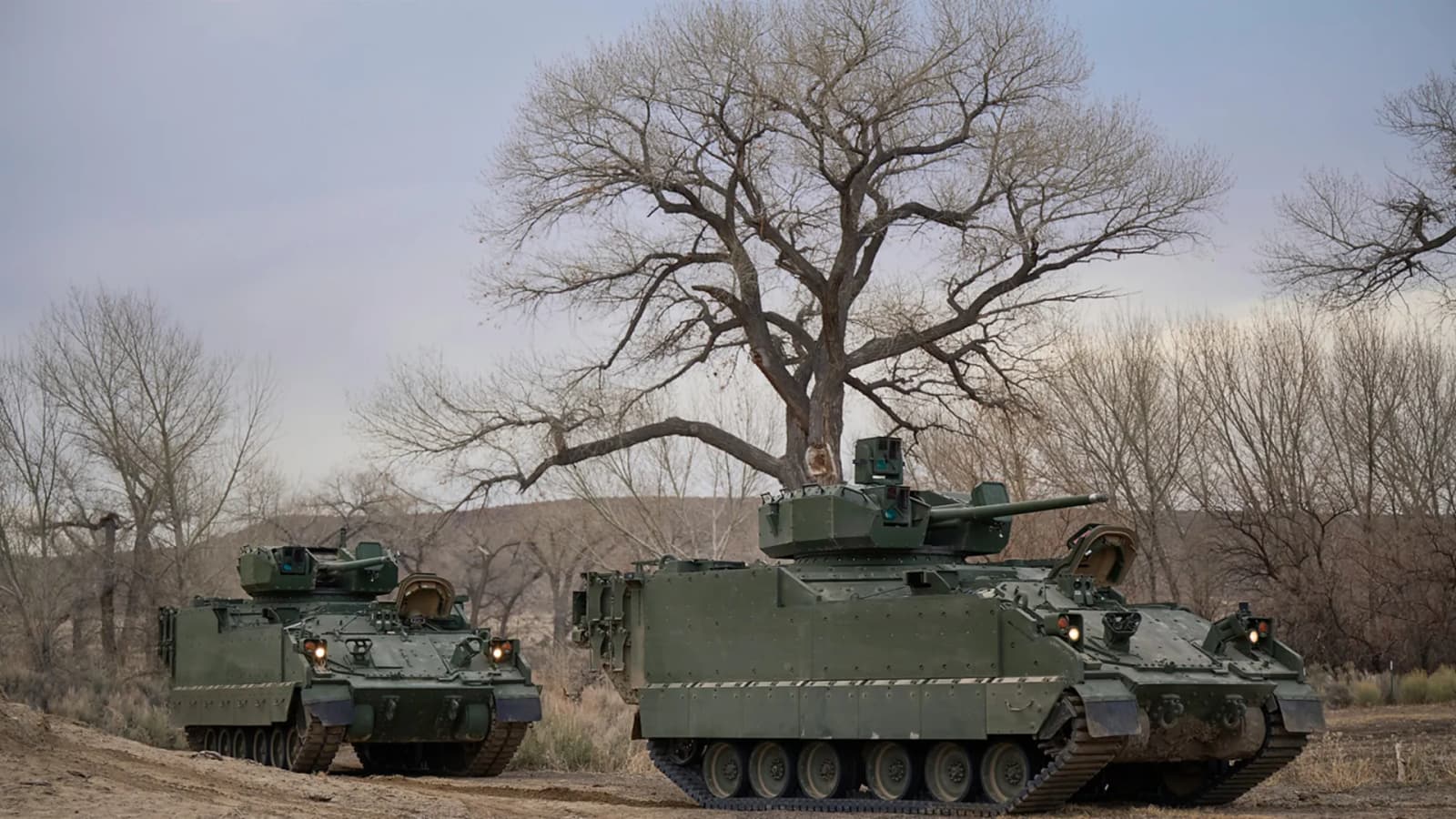
BAE Systems has delivered two new AMPV 30 concept infantry fighting vehicles to the US Army, combining a 30mm remote turret with systems designed to detect drone threats and share targets across the battlefield.
The vehicles were delivered in April for the Army’s Transformation in Contact (TiC) 2.0 initiative and have since undergone field evaluations, including live-fire testing. The program allows soldiers to test emerging technology under operational conditions and provide feedback on what works.
BAE developed the two vehicles in just six months using $17 million of its own research and development funding. The design builds on the chassis of the company’s Armored Multi-Purpose Vehicle, or AMPV.
Rather than developing an entirely new combat vehicle, BAE modified the existing platform using its common top plate. The approach allows different weapons and mission equipment to be integrated onto the same underlying vehicle architecture.
30mm turret boosts firepower
Both AMPV 30 prototypes carry Kongsberg’s Medium Caliber Turret, a compact remote turret system that is already in production for the US Marine Corps’ Amphibious Combat Vehicle.
The remotely operated turret allows soldiers to use the weapon system while remaining protected inside the armored vehicle. Its integration also demonstrates how the AMPV platform can be adapted for an infantry fighting vehicle role.
“Our mission was speed and innovation, and we delivered beyond expectations,” said Bill Sheehy, vice president of BAE Systems’ Ground Maneuver futures.
“With today’s battlefield evolving faster than ever, it’s paramount that Soldiers have the capabilities they need to win the fight. Throughout this effort, our team demonstrated how we can integrate new design solutions in a time-effective and more cost-efficient manner for the Army.”
The prototypes add more than firepower. They are equipped with counter-unmanned aircraft system capabilities intended to help soldiers combat drone threats, an increasingly important requirement for armored vehicles.
BAE has also added a cross-platform target handoff system. It allows multiple vehicles to connect and exchange targeting information, helping crews identify targets and coordinate their response across the battlefield.
Crews see beyond armor
A 360-degree situational awareness camera system gives soldiers a view of their surroundings without requiring them to leave the protection of the vehicle. Together, the sensors, connectivity and counter-drone systems are intended to improve crew awareness and survivability.
The modular design is central to BAE’s approach. Its common top plate and the AMPV’s open architecture allow different mission equipment packages to be installed without redesigning the entire vehicle.
According to BAE, the platform can accommodate more than 30 different turret systems. That gives the Army options to modify the vehicle’s weaponsand equipment as operational requirements change.
The two AMPV 30s bring the number of turreted AMPV prototypes funded by BAE over the past two years to eight. The latest vehicles are now being evaluated by soldiers to determine how the combination of firepower, counter-dronecapability and battlefield connectivity performs under field conditions.
Source: https://interestingengineering.com/military/bae-ampv-30-us-army-counter-drone-vehicle
Related articles


Rabbit’s new AI agent doesn’t need an R1 to run
Rabbit, the company behind the underwhelming R1 device, is rolling out a standalone AI agent that you don't need its hardware to use, as reported earlier by Wired.
US military orders 4,000 one-way attack UAVs with single-operator drone swarm control
Swarm Defense Technologies has received an order from the US Department of War for 4,000...

Score free Pixel Buds 2A when you preorder a Googlebook at Best Buy
The Android-powered Googlebooks are coming soon, with familiar brands and specs that rival Windows Copilot machines.

Apple clarifies that Texture and Grain controls are exclusive to the latest iPhones’ cameras
Apple's new texture and grain controls for stylizing photos will be more limited on older phones than initially expected.

Motorola’s wild-looking Signature 27 runs Qualcomm’s new Extreme chipset
Motorola is the first company to announce a phone running Qualcomm's top-end Snapdragon 8 Elite Extreme Gen 6 chip.