
US firm begins 250 kW high-temperature tests for pump-free nuclear microreactor in Utah
Advanced-nuclear developer NuCube Energy is putting its factory-built reactor technology through a fresh battery of...
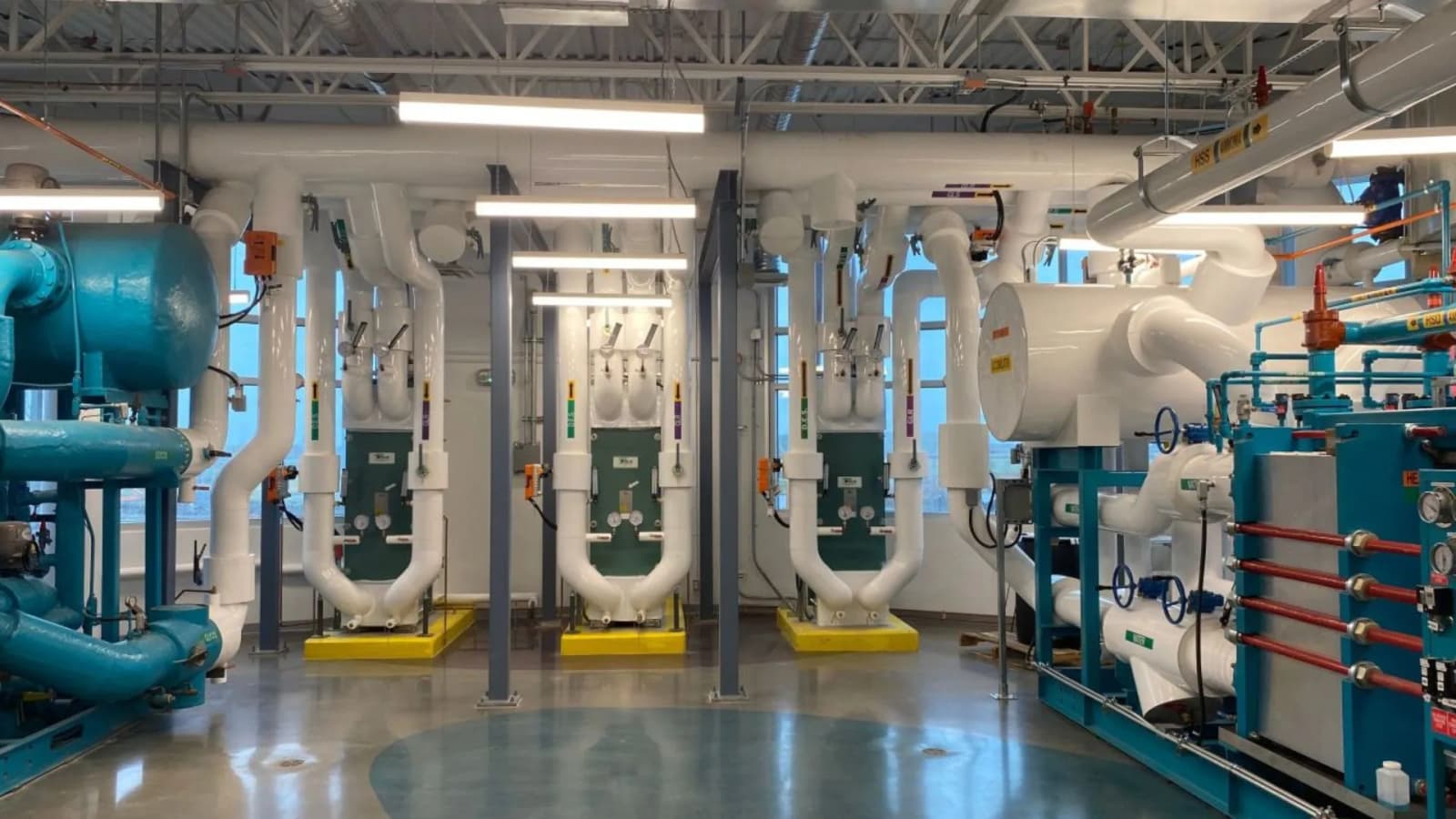
Advanced-nuclear developer NuCube Energy is putting its factory-built reactor technology through a fresh battery of non-nuclear trials in Utah. The company is working at the San Rafael Energy Lab alongside scientists from Brigham Young University.
Together, the partners use electrical heat to copy operating conditions inside the planned NuSun micro fission system. The trials focus directly on whether small modular atomic power can decarbonize energy-intensive manufacturing operations.
Most commercial nuclear stations rely on active pumps and massive water reservoirs to manage core temperatures. If mechanical parts fail or electricity cuts out, coolant circulation can quickly stop. NuCube takes a fundamentally different path by running a solid-state reactor cooled entirely by sealed heat pipes.
These sealed metal tubes carry heat away from the core using basic physics. This approach removes mechanical pumps, large pressure vessels, and complex plumbing networks. The resulting walk-away safe design prevents fuel meltdowns by basic physical principles, which significantly lowers manufacturing costs and trims regulatory hurdles.
To prove the core can power real factories, researchers are using an upgraded 250-kilowatt induction furnace. The electrical rig generates intense, controllable thermal energy without needing radioactive fuel.
Demonstrating industrial applications
Because of this non-nuclear setup, technicians can safely test sensitive energy-conversion hardware under realistic operating stresses. The platform gives engineers a low-risk environment to monitor heat movement before any active nuclear material is ever loaded into a commercial unit.
Key targets for the Utah trials include clean hydrogen synthesis and chemical production. Both sectors require massive amounts of continuous high heat that renewable sources like wind or solar struggle to supply alone.
The team will also test compact power turbines driven by a supercritical carbon dioxide Brayton cycle. This advanced system extracts far more electricity from thermal energy than conventional steam circuits, making the total installation much more efficient.
This domestic testing connects directly with research carried out across the border. NuCube previously partnered with Canadian Nuclear Laboratories to examine how heat pipes endure stress at temperatures surpassing 900°C (1,652°F).
Targeting commercial siting
Computational models refined in Canada will feed straight into the physical results gathered in Utah. This combined data will build the technical safety case that regulators demand before licensing commercial units for broad public use.
Chief executive Cristian Rabiti framed the project as essential groundwork for moving high-heat nuclear power into practical service.
“We are pleased to expand our collaboration with USREL and BYU as we advance the infrastructure needed to demonstrate how NuCube’s high-temperature reactor technology can serve real-world energy needs,” concluded Rabiti.
“The new test platform at the USREL will enable meaningful validation of energy-conversion and industrial-heat applications, supporting our path toward commercial deployment of reliable, carbon-free power and heat.”
The current test campaign represents the next operational step of a formal arrangement signed in May 2025 with the Utah Office of Energy Development. That agreement set a framework to explore siting a NuCube-supplied reactor at the San Rafael site. The collaboration aims to move the modular design out of simulation and onto the American grid.
Source: https://interestingengineering.com/energy/us-firm-begins-high-temperature-test
Related articles

The AI is in the computer
It's gadget season, and a lot of companies are launching a lot of new products.

YouTube, Meta, and Twitch won’t say if they’ll allow the US government to live stream an execution
YouTube, Twitch, Meta, and X aren't saying whether they'll allow the US government to livestream an execution on their platforms.
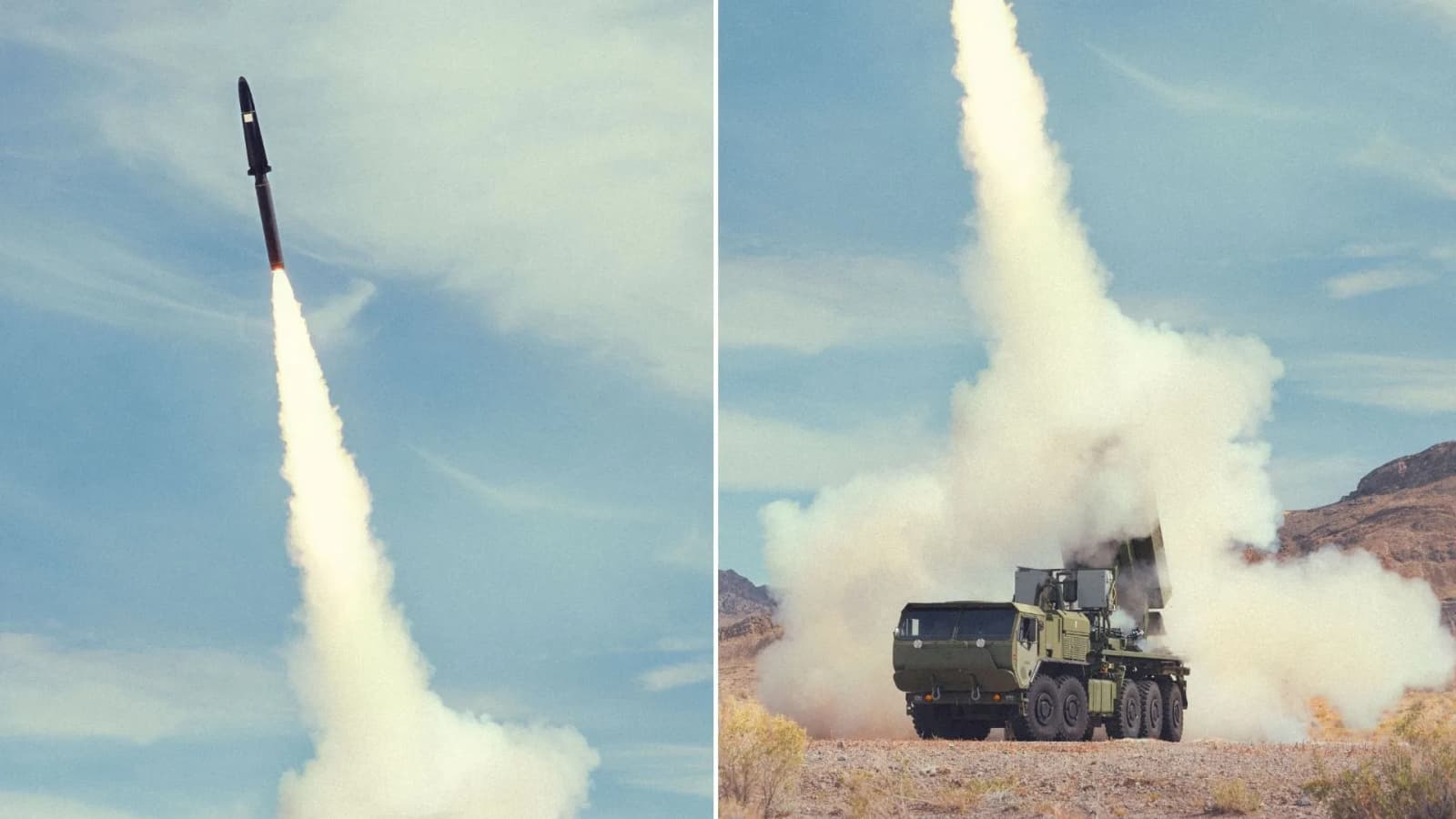
US Army eyes Blackbeard hypersonic missile as Castelion tests truck launcher
US defense startup Castelion has released what appears to be the first public image of...
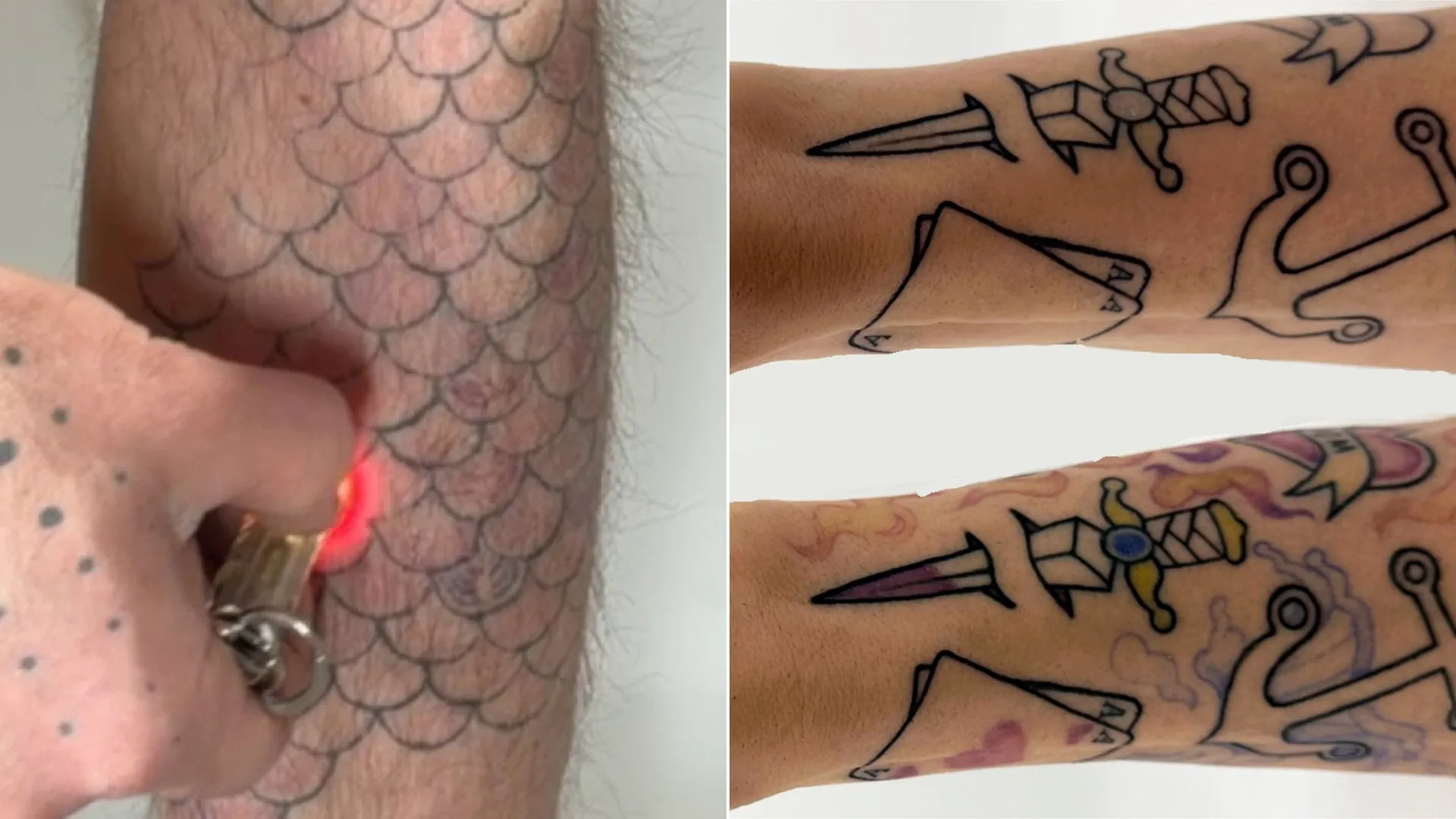
PhotoTat: Switchable tattoo inks turn on under UV light and fade with LED exposure
Engineers have designed a new line of multicolored tattoo inks that switch on and off...

A week with Googlebooks: four notes from our testing so far
Google's new operating system is off to a rocky start.

Instinct was the buzziest AI agent around — can it survive Muse?
Before there were cute little guys, there was Instinct. In August, the startup got its AI agent to market with an unusual playbook: invite-only, no marketing, and barely so much as a website.