US firm eyes world’s hottest engineered geothermal system for power generation
Mazama Energy has raised $135 million to accelerate the commercial development of superhot rock geothermal...
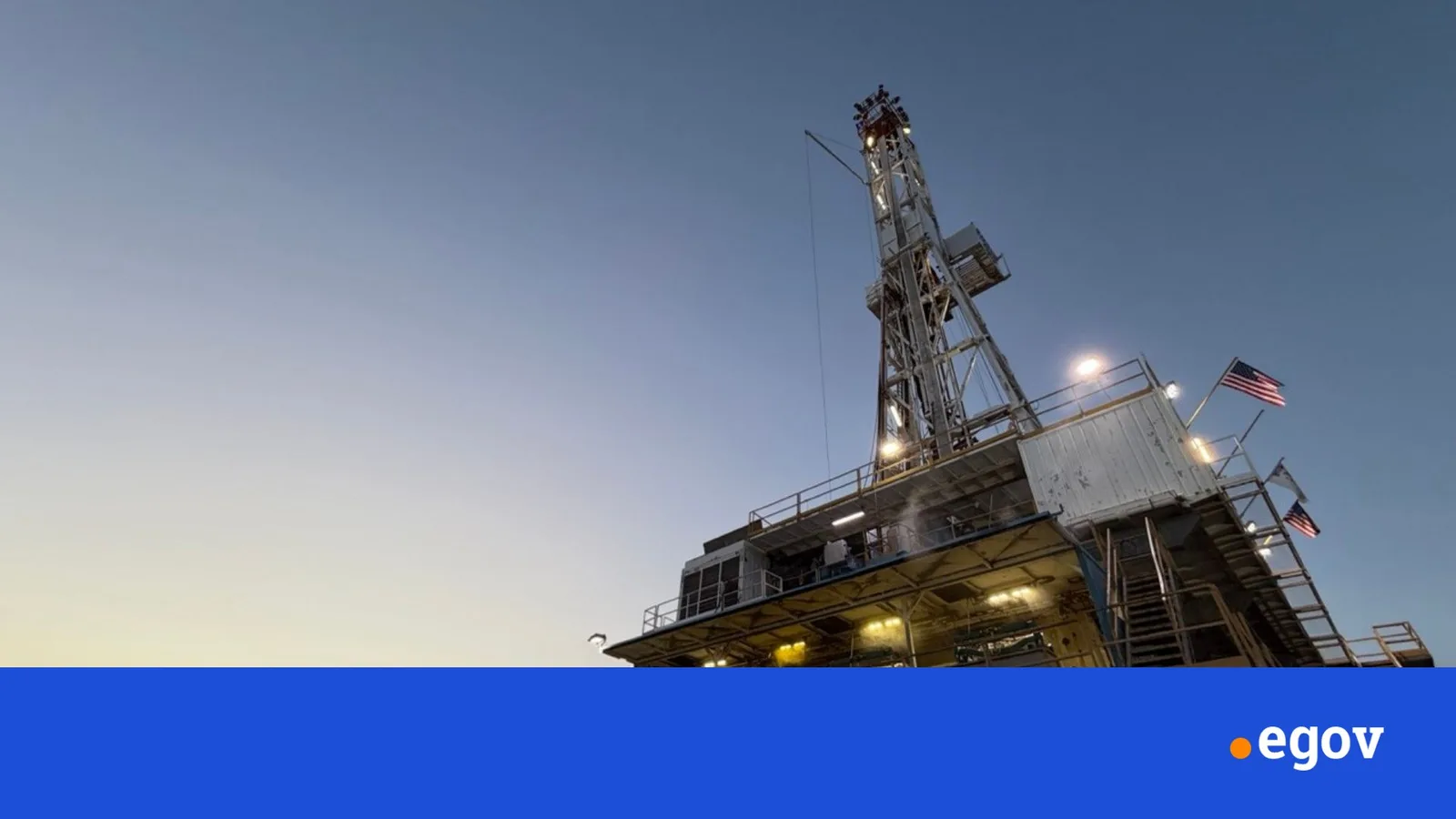
Mazama Energy has raised $135 million to accelerate the commercial development of superhot rock geothermal energy, a technology designed to produce large amounts of reliable, carbon-free electricity from extreme heat underground.
Announced on September 17, the new capital will support the company’s work at Newberry in Oregon, including Project Athena and the US Department of Energy-supported Project Ceres.
Mazama plans to demonstrate power generation in 2027 as electricity demand continues to increase.
The company is drilling toward rock measuring 750°F (400°C), where each well could deliver up to 10 times the power of a conventional geothermal well operating at 390°F (200°C).
Drilling toward hotter rock
Mazama already holds the record for the hottest engineered geothermal system ever constructed. In 2025, it created a system at Newberry that reached 629°F (331°C), demonstrating reservoir creation, underground connectivity, and heat recovery.
Unlike conventional geothermal developments that depend on naturally occurring reservoirs, engineered geothermal systems create pathways through hot rock so that fluid can circulate and carry heat back to the surface.
The company’s second well, part of Project Athena, reached a depth of 10,350 feet in 15 days in September. That was around 80 percent faster than the well drilled in 2025. Mazama is now extending it approximately one mile deeper in pursuit of the 750°F target.
“The breakthrough in superhot geothermal is turning extreme heat into a repeatable, economic power system,” said Sriram Vasantharajan, CEO of Mazama Energy.
“At Newberry, we have demonstrated the critical pieces together: extreme-temperature drilling, reservoir creation and heat harvesting, at temperatures no other engineered geothermal system has achieved. We are now driving that integrated system toward greater speed, efficiency and scale,” he said.
More power from fewer wells
At 750°F, water can reach a supercritical state with substantially greater energy density. Combined with higher reservoir productivity, this could allow Mazama’s wells to generate up to 10 times as much power as conventional geothermal wells.
The company says its approach could also use 75 percent less water and require 80 percent fewer wells than conventional geothermal developments. Reducing the number of wells would lower surface infrastructure requirements and shrink the overall footprint of each project.
Mazama has spent several years working on three connected technical challenges: drilling at extreme temperatures without damaging equipment, creating productive reservoirs where none naturally exist, and extracting enough heat to sustain electricity generation.
Bringing these capabilities together is intended to make superhot geothermal power scalable and cost-competitive with fossil fuels.
Power generation planned for 2027
The financing includes an oversubscribed Series B round led by Centaurus Capital and Doerr Capital. ConocoPhillips, Shell Ventures, Khosla Ventures and Gates Frontier also participated, alongside several other investors.
Part of the capital will fund Project Ceres, which will advance horizontal well development in superhot rock. The project is targeting 15 MW of electrical capacity per well and is expected to demonstrate power generation in 2027.
Beyond Athena and Ceres, Mazama is seeking independent certification of more than 10 gigawatts of geothermal resource potential at Newberry.
It is also evaluating other locations in the United States and abroad as it works toward multi-gigawatt developments intended to support electricity affordability, rising demand, and global energy security.
Get the latest news delivered to your inbox.
Related articles