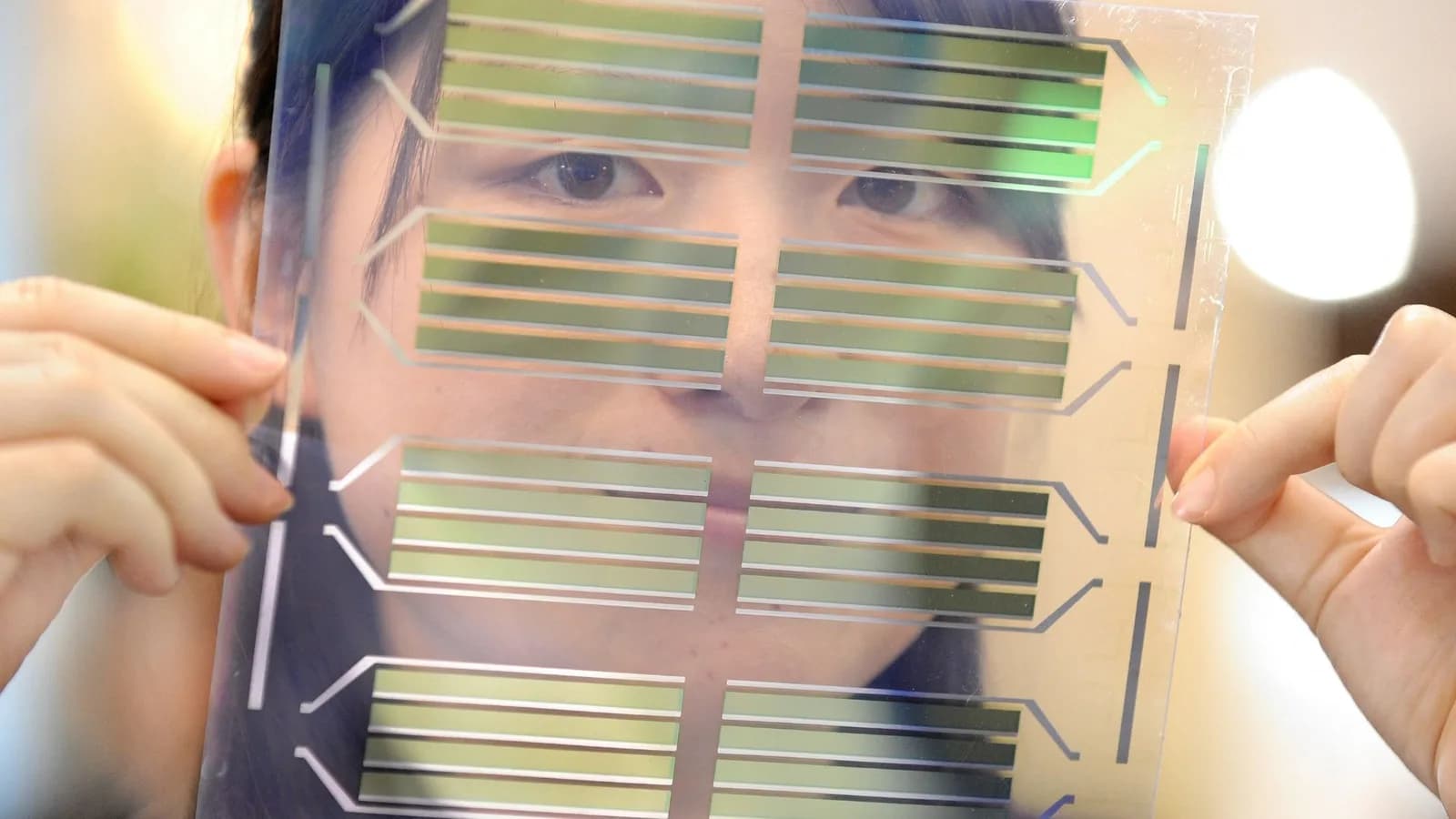
Water-resistant microneedles made by MIT for vaccinating small farmed fish
Researchers at the Massachusetts Institute of Technology (MIT), working with the U.S. Department of Agriculture...
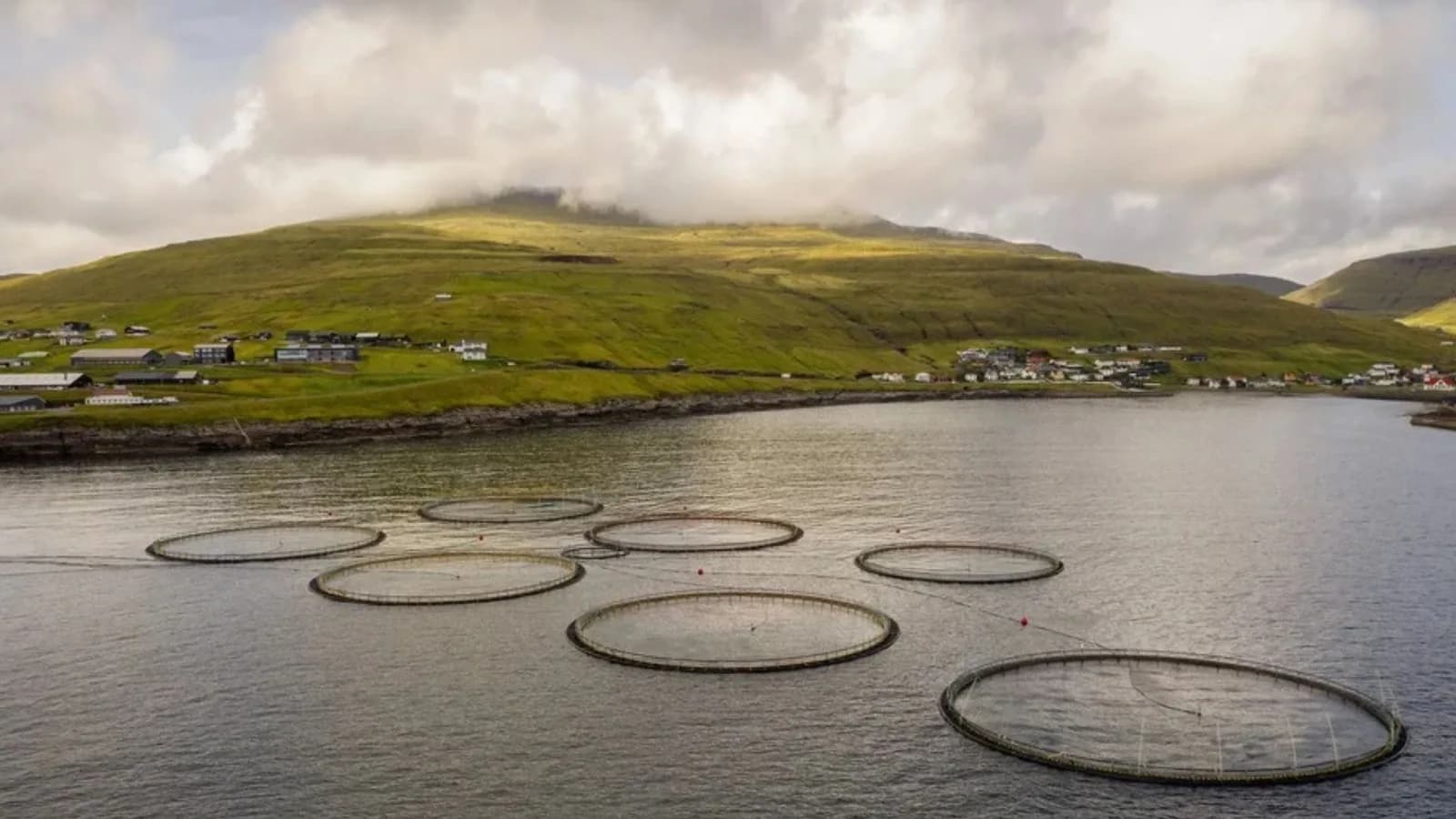
Researchers at the Massachusetts Institute of Technology (MIT), working with the U.S. Department of Agriculture (USDA), have developed an innovative vaccination system that could make disease prevention in farmed fish safer, more efficient and less stressful.
The technology uses tiny, water-resistant microneedles made from food-grade silk. Designed to penetrate fish skin underwater, the needles remain attached as fish swim, gradually release the vaccine and eventually degrade.
Vaccinating farmed fish is traditionally a labor-intensive operation. Fish are typically removed from the water, sedated and injected individually before being returned to their tanks or ponds. The process takes considerable time, causes stress to the animals and exposes workers to potential needle injuries and the risk of blood-borne disease transmission.
“Workers inject fish one by one,” said Meng Li, the study’s first author, highlighting the challenges of the conventional approach.
Alternative methods also have limitations. Vaccines mixed into fish feed may not reach every fish, while immersion-based treatments often require larger quantities of vaccines and cannot guarantee complete protection.
How the technology works
The microneedles are made from silk fibroin, a food-grade material, and feature a thin protective coating of shellac, a food-grade resin secreted by insects. The coating acts as a moisture barrier, preventing the needles from dissolving prematurely in water.
Once attached to the fish, the microneedles deliver vaccines directly through the skin. Researchers can tailor the release period to approximately 15 minutes, 10 hours or 24 hours, depending on the intended application.
Li emphasized that material selection was critical because the technology is designed for animals that ultimately enter the human food chain. Safety for both fish and consumers was therefore a central consideration.
The team also found that half of the DNA plasmids retained their structural integrity after four weeks of dry storage. According to MIT professor Benedetto Marelli, this stability could prove particularly valuable in rural aquaculture operations, where maintaining a reliable cold chain can be difficult.
A major breakthrough is the system’s ability to deliver vaccines underwater to rainbow trout weighing just 1–2 grams. Conventional needle-based vaccination is generally unsuitable for fish until they reach approximately 30 grams, leaving younger fish vulnerable during an important stage of development.
Gregory Wiens of the USDA said preventing disease early in a fish’s life remains a significant challenge in trout farming. He highlighted the new system’s ability to deliver bacterial and DNA vaccines underwater in a controlled manner.
Potential impact on global aquaculture
The development comes as demand for fish continues to rise. With the global population projected to increase by nearly two billion by 2050, aquaculture is expected to play an increasingly important role in meeting the world’s food and nutritional needs. In 2021, farmed aquatic animals surpassed wild-caught aquatic animals in global food production by weight.
Marelli said improved vaccination methods could help farmers maintain fish health while strengthening workplace safety, improving animal welfare and supporting more sustainable aquaculture practices.
The research received support from MIT’s Abdul Latif Jameel Water and Food Systems Lab (J-WAFS) and the USDA. Although further development is needed before the technology can be adopted widely by commercial fish farms, the findings point towards a promising new approach to making fish vaccination more accessible, precise and effective.
The findings have been published in the journal ACS Nano.
Get the latest news delivered to your inbox.
Related articles