US-made jet-powered combat drone could fly from UK aircraft carrier in 2027
The Royal Navy is planning to demonstrate Northrop Grumman’s Talon Blue collaborative combat aircraft (CCA)...
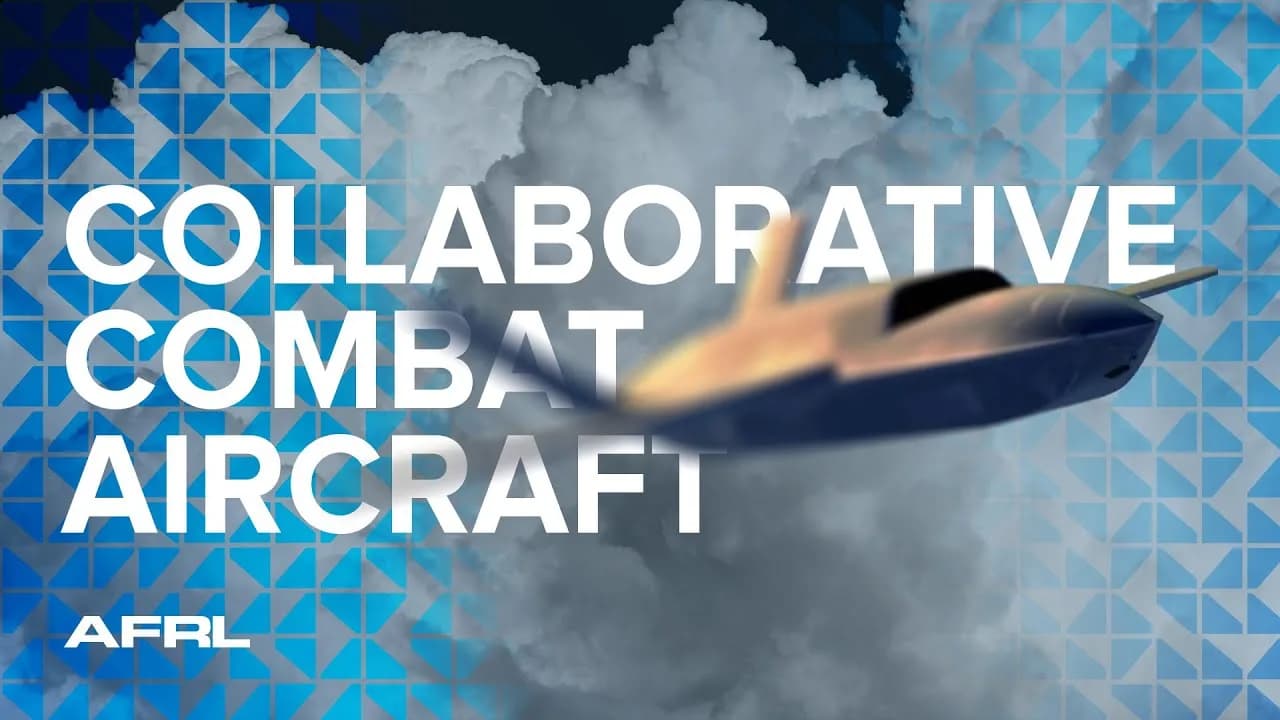
The Royal Navy is planning to demonstrate Northrop Grumman’s Talon Blue collaborative combat aircraft (CCA) drone from a British aircraft carrier next year. The proposed trial marks a step toward introducing carrier-based combat drones into the UK’s naval aviation capabilities.
Northrop Grumman confirmed the plans, saying it would work with the Royal Navy over the next 12 months to prepare for the demonstration. The trial could also open new opportunities for Talon Blue, whose first flight was announced only last month.
Carrier drone demonstration
The Royal Navy plans to test Northrop Grumman’s Talon Blue collaborative combat aircraft (CCA) drone aboard a British aircraft carrier in 2027. The proposed demonstration would mark a significant step toward introducing jet-powered uncrewed combat aircraft into the UK’s naval aviation operations.
The trial will take place under Project Vanquish, a Royal Navy initiative to demonstrate launching and recovering autonomous aircraft from its Queen Elizabeth-class carriers. The project seeks to establish whether uncrewed combat aircraft can operate from the ships without requiring catapults or arresting gear, reports The War Zone.
The two British carriers, HMS Queen Elizabeth and HMS Prince of Wales, use a short-takeoff and vertical-landing (STOVL) configuration. Unlike conventional aircraft carriers, they do not have catapult launch systems or arresting cables to launch and recover conventional fixed-wing aircraft.
Project Vanquish was first announced in September 2025. Its primary objective is to demonstrate the operation of a Tier 2 Autonomous Collaborative Platform (ACP) from a carrier. These aircraft are generally intended to be affordable enough for higher-risk missions, where their loss may be acceptable, while retaining the capabilities needed to perform useful military tasks.
Talon Blue, also designated YFQ-48A by the U.S. military, was officially unveiled in December 2025. Northrop Grumman announced its first flight in October 2026, marking an important milestone in the autonomous aircraft’s development.
The company has positioned Talon Blue as a lower-cost autonomous platform designed to reduce the time and expense involved in developing and deploying combat aircraft. However, its actual unit cost and detailed performance specifications have not been publicly disclosed.
The aircraft’s potential carrier operations will likely require additional development. Although the Queen Elizabeth-class carriers do not need catapult-assisted launches or arrested recoveries for this demonstration, Talon Blue may require modifications or a dedicated naval variant to operate safely from their decks.
Navy embraces autonomy
The Royal Navy has already tested several uncrewed aircraft aboard its carriers. These include General Atomics’ Mojave drone and the Tekever AR5, which joined the list of aircraft demonstrated from the ships in November 2026. Both are propeller-driven platforms and are less complex than the jet-powered Talon Blue.
The service has also experimented with smaller drones, including one-way attack systems launched using trailer-mounted catapults. These trials form part of a broader effort to integrate autonomous aircraft and uncrewed surface and underwater platforms into naval operations.
The Royal Navy calls this approach its Hybrid Navy concept, which seeks to combine crewed warships and aircraft with increasingly capable autonomous systems. The introduction of collaborative combat aircraft could expand the range of missions carrier-based air wings can perform.
The planned demonstration could also provide Northrop Grumman with valuable experience in carrier-based autonomous aviation. The company is separately developing a conceptual carrier-based CCA design for the US Navy.
A successful trial in British waters could therefore offer insights into operating autonomous jet-powered aircraft from carriers that lack conventional launch and recovery equipment. However, the proposed 2027 demonstration remains an early step toward establishing such a capability.
Get the latest news delivered to your inbox.
Related articles