US-made zinc-bromine batteries to replace old gas plant with 30MWh energy storage
An old liquefied gas plant in south west Germany will be transformed into a large-scale...
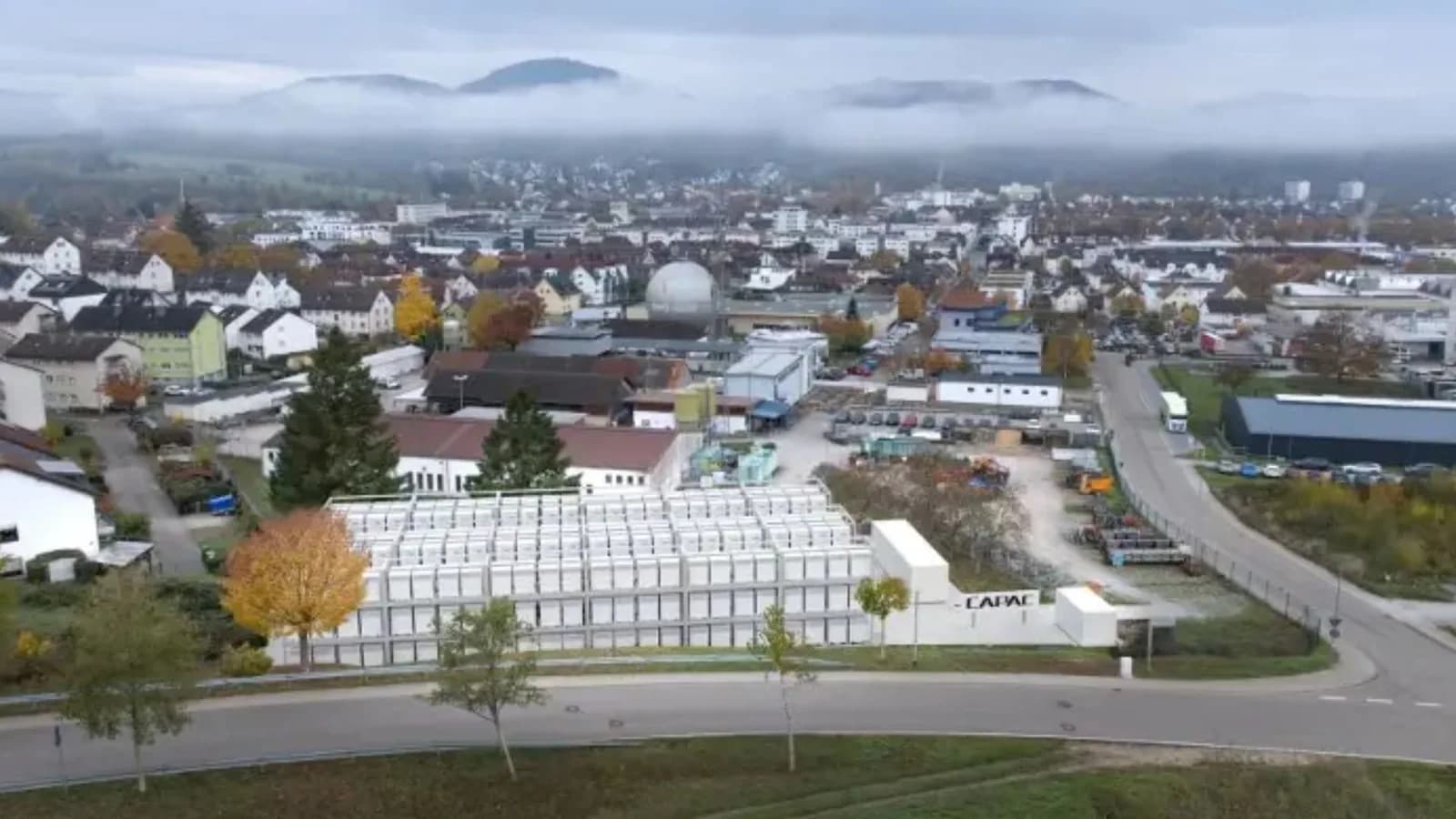
An old liquefied gas plant in south west Germany will be transformed into a large-scale battery storage facility. Local utility Stadtwerke Gaggenau has partnered with energy infrastructure firm Capac AG on building a 7.5 megawatt system. This will allow the facility to store 30 megawatt hours of energy. The project will cost $16.8 million (€15.2 million) and will begin operations in 2028, having started works in 2027. Capac will oversee the project, including engineering design, procurement, integration, build and commissioning.
The battery will be co-funded by Stadtwerke Gaggenau and JP Holding (parent company of Capac). Once established, the battery will store energy during periods of surplus energy and return it to the grid during periods of high demand or price. It will trade in the day ahead and intraday markets. It will also receive payments for providing grid services.
Diverse battery tech from Eos energy
Battery systems from Eos Energy from the United States will be used in the facility. The battery design, called Intensity, uses a modular design which can be laid horizontally and stacked vertically within a steel support structure. This allows more storage equipment to be fitted. The batteries are manufactured in Pennsylvania and use zinc bromide, conductive plastic and graphite felt in their construction. Its chemistry means that it uses a water-based non-flammable electrolyte.
Benjamin Henecka, CEO of Capac Energy told ESS News that the battery technology had good safety features due to its lack of fire risks. He explained that unlike lithium-ion, the system does not suffer from thermal runaways. The units are designed to last 25 years. Over this time, the battery is expected to have a degradation of around 3.6%.
When considering the economic factors involved for utilities, it is important to consider maintenance costs, financing costs, energy required by support equipment and potential replacement costs. Henecka stated that it is important to consider these factors.
Diversifying away from lithium-ion
This installation in Gaggenau also demonstrates increasing interest in diversifying away from lithium-ion batteries. A large portion of lithium-ion battery production and supply is concentrated in China. This has meant that European energy firms are looking to diversify.
Capac and Eos are looking to provide an alternative with the zinc bromine battery technology. However, Henecka has made clear that this is not intended to make the utilities fully independent from foreign suppliers. Instead they want to provide more options available to those purchasing the batteries. The two companies have previously announced another German project. In June, they announced that they would be installing a 5MW/22MWh zinc bromine system in Bruchsal. They also announced an agreement to supply 2GWh of planned storage in Germany, Austria and Switzerland up until 2031.
The Gaggenau system will provide a real-world example of how the technology performs. This will be vital in determining if it has long term value. Costs associated with running the system will be important, along with how much of its capacity is retained and how much income can be generated from trading and grid services.
Source: https://interestingengineering.com/energy/germany-30mwh-zinc-bromine-battery-storage
Get the latest news delivered to your inbox.
Related articles