
US Navy’s 10,140-ton destroyer tests air defenses with two Nordic allies in Baltic
The USS Paul Ignatius, a U.S. Navy guided-missile destroyer, conducted live-fire drills and air-defense exercises...
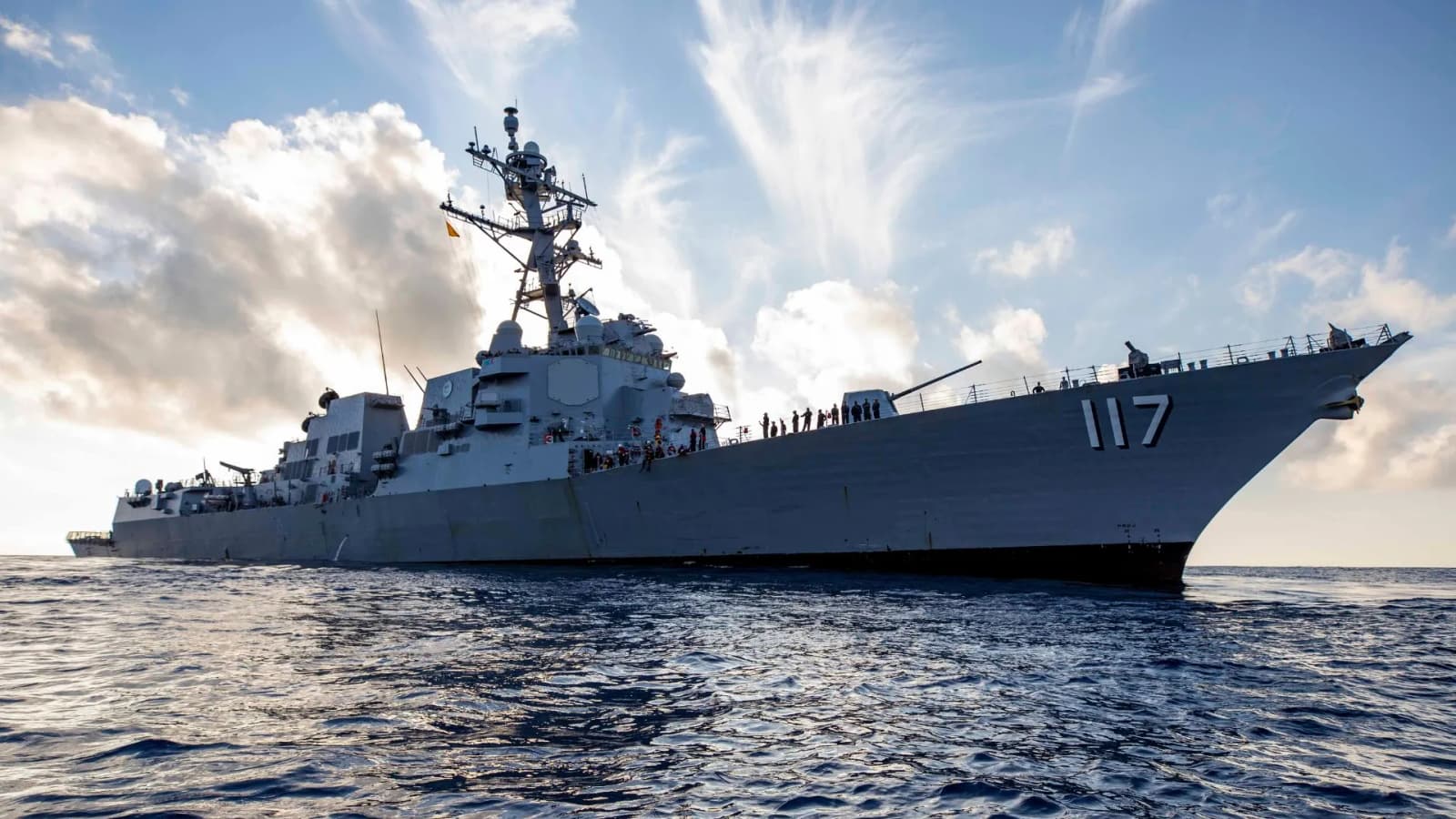
The USS Paul Ignatius, a U.S. Navy guided-missile destroyer, conducted live-fire drills and air-defense exercises with Finnish and Swedish crews while transiting the Baltic Sea and Gulf of Bothnia in early October. The ship left Stockholm on October 5 and reached Helsinki on October 8, with joint training taking place along the way.
These exercises tested how the three allies could work together in naval operations and target engagement. They were also part of larger U.S. and Nordic maritime activities across northern Europe and the North Atlantic.
Nordic crews help navigate Baltic waters
Swedish and Finnish naval personnel boarded the USS Paul Ignatius in Stockholm on October 5. They worked alongside U.S. sailors in the navigation department, sharing local knowledge and hydrographic expertise.
Their assistance helped the destroyer navigate the shallow waters and complex channels of the northern Baltic. Officers from all three countries also conducted navigational and tactical exercises while underway.
“Together with our Allies, we aim to secure the sea lines of communication for Finland and Sweden,” said Rear Adm. Tuomas Tiilikainen, commander of the Finnish Navy. “This way, we will enable Allied operations and safeguard the security of supply of our societies.”
Tiilikainen said the trilateral exercises brought together the participating countries’ expertise and capabilities to support Baltic defense arrangements.
Live-fire exercises test joint operations
During the transit, training in the Gulf of Bothnia included live firing against unmanned surface targets. The drills tested combined targeting procedures and the integration of air defense capabilities between the participating forces.
The exercises allowed the crews to practice coordinating their actions during maritime operations and assess how their capabilities could work together.
The transit followed U.S. and Nordic maritime activities in Norway, and North Atlantic exercises focused on long-range maritime defense. The U.S. Navy described these activities as part of a coordinated framework linking the North Atlantic, High North and Baltic Sea.
“The highly capable integration of Finland and Sweden into the NATO framework continues to reinforce the security architecture of the High North and the Baltic Sea,” said Vice Adm. J.T. Anderson, commander of U.S. 6th Fleet. “The unmatched regional expertise and modernization efforts of our Finnish and Swedish Allies ensure NATO remains prepared to deter aggression and defend every single inch of Allied territory.”
NATO officials discuss regional security
During the Stockholm and Helsinki visits, Anderson met Finland’s chief of defense, Gen. Janne Jaakkola, Sweden’s chief of navy, Rear Adm. Johan Norlén, and Tiilikainen. Discussions covered maritime infrastructure protection, response options in the High North and coordination along NATO’s northern flank.
In Stockholm, Gen. Michael Claesson, supreme commander of the Swedish Armed Forces, met regional leaders to discuss the Swedish Navy’s expanding role in the alliance. He linked the effort to military modernization and closer cooperation with allied forces.
“Sweden is no longer just defending its own shores; we are actively contributing to the collective security of the entire Baltic Sea region and High North,” Claesson said. “Through high-end modernization like our new air-defense frigates and our deep integration with Allies like the U.S. Navy, we are showing that we can operate as one unified force.”
Helsinki visit highlights US-Finland ties
The destroyer’s arrival in Helsinki on October 8 also underscored Washington’s security partnership with Finland.
“The presence of the USS Paul Ignatius here in Helsinki is a clear, physical reminder of the United States’ ironclad commitment to our Finnish Allies,” said Howard Brodie, U.S. ambassador to Finland. “This visit, highlighted by the joint ship rider program, demonstrates that our security is seamless.”
The USS Paul Ignatius is a forward-deployed destroyer operating within the U.S. 6th Fleet’s area of responsibility. Based in Naples, Italy, the fleet conducts naval and joint operations across Europe and Africa in support of U.S., allied, and partner interests.
Source: https://interestingengineering.com/military/us-warship-tests-air-defenses-baltic
Related articles

Bangladesh-Malaysia recruitment reforms revive old questions over the cost of migration
Bangladesh and Malaysia have made several government-level agreements for labour migration over the years, but problems such as syndication, excessive recruitment costs and human rights abuses remain…
US’ 100,000-ton aircraft carrier returns from Iran with hundreds of war kill markings
After 321 days on deployment, the USS Abraham Lincoln has finally returned home. The ship...
US’ 100,000-ton aircraft carrier strike group launched 450 land-attack cruise missiles against Iran
One of the most powerful aircraft carrier strike group of the United States launched more...

45 MQ-9 Reapers, 12 F-15Es: US military logs 81 aircraft lost or damaged in Iran war
The United States now lists 81 aircraft as lost or damaged during operations against Iran...
Commandos take a ride on huge attack submarines during NATO war exercise
British commandos were spotted on a submarine while carrying out a daring operation. They emerged...
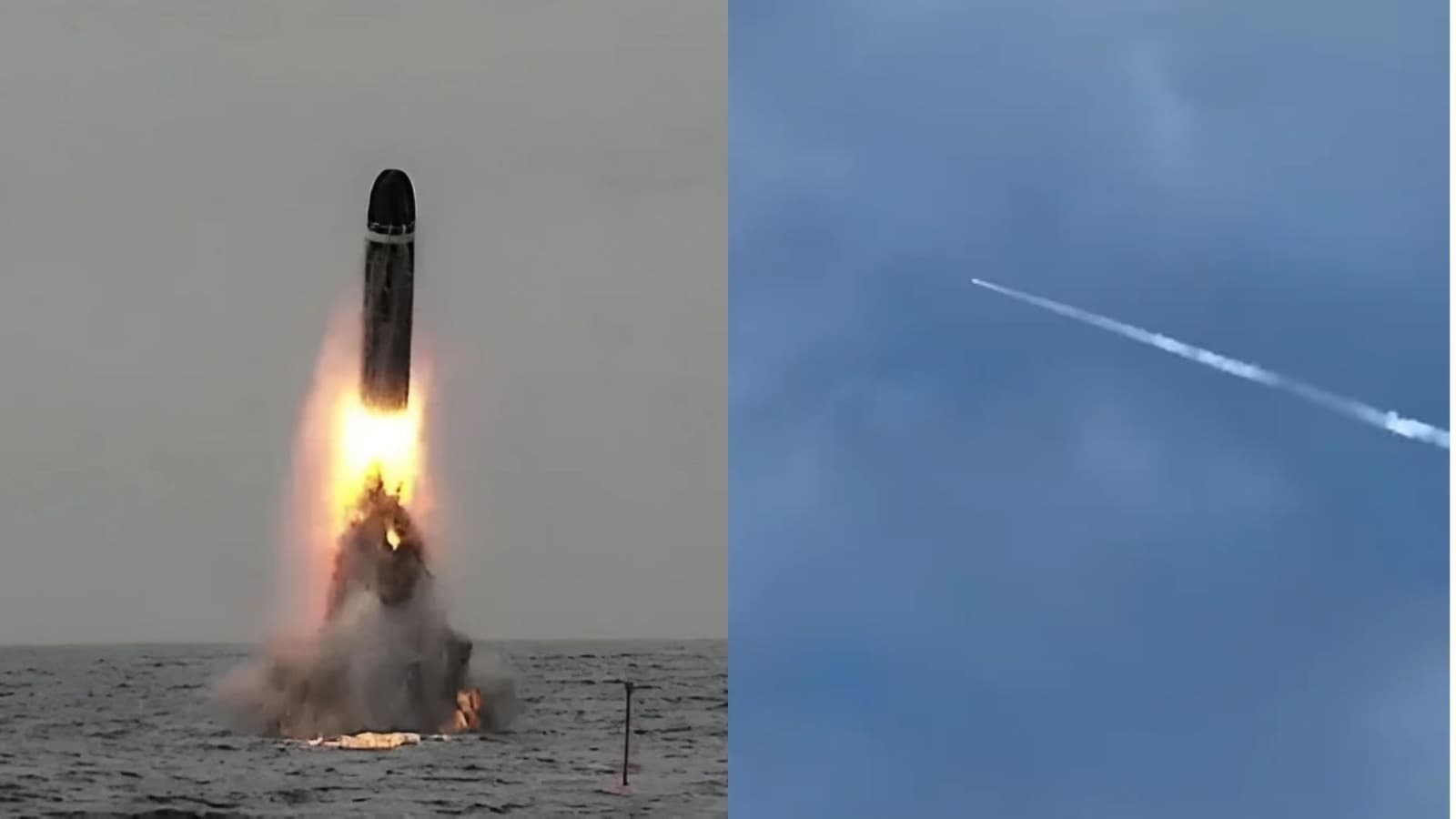
France launches nuclear-capable missile at sea with 1,240-mile climb, Mach 20 reentry
France has completed the first submarine launch of its upgraded M51.3 strategic nuclear-capable ballistic missile....