
45 MQ-9 Reapers, 12 F-15Es: US military logs 81 aircraft lost or damaged in Iran war
The United States now lists 81 aircraft as lost or damaged during operations against Iran...
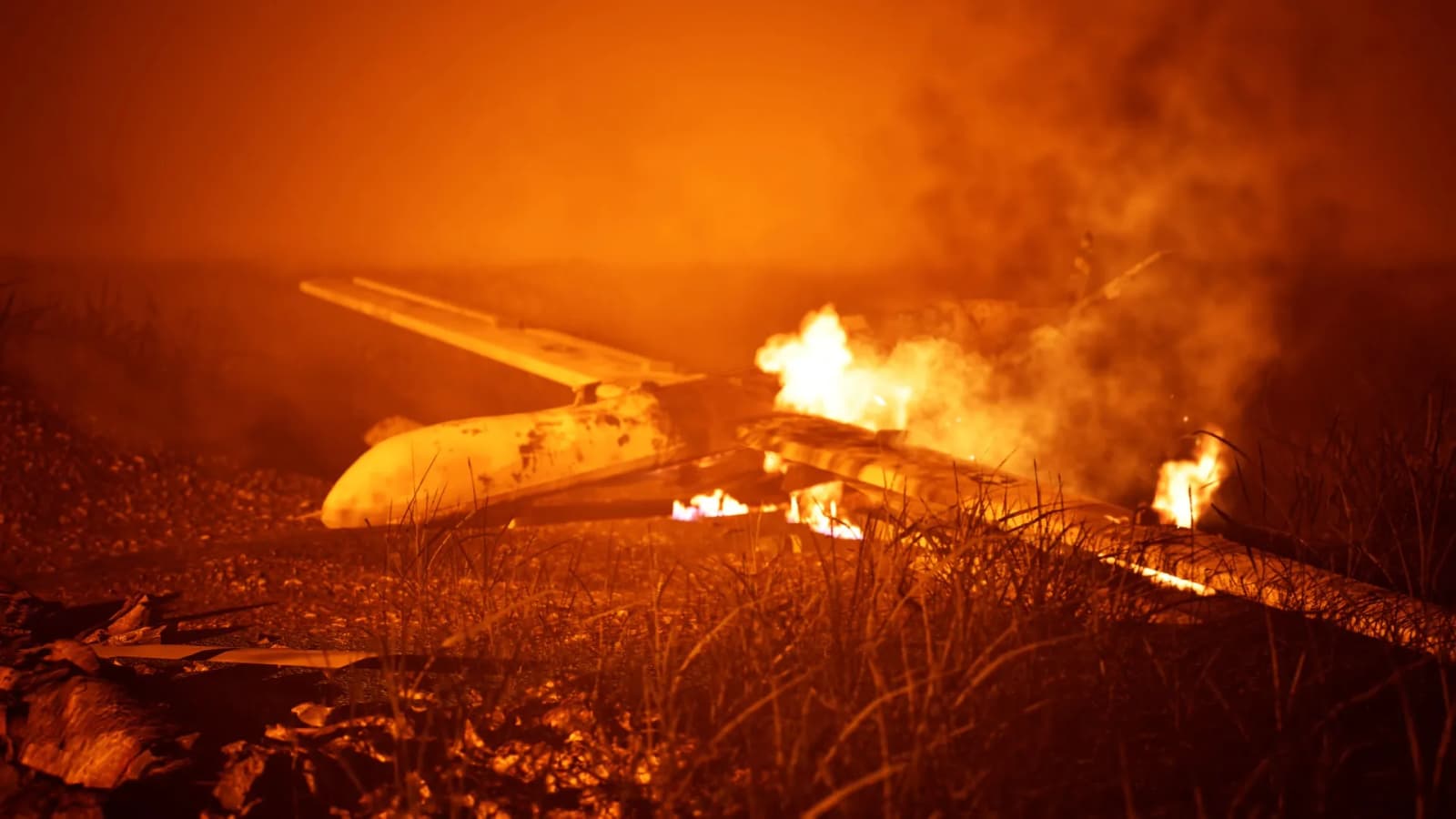
The United States now lists 81 aircraft as lost or damaged during operations against Iran since Feb. 28, according to an updated Congressional Research Service (CRS) assessment.
The report, revised on Oct. 5, nearly doubles the 42 aircraft listed in the CRS’s May assessment. It counts fixed-wing aircraft, helicopters and unmanned systems, with 45 MQ-9 Reapers and 12 F-15E Strike Eagles making up the largest shares.
The jump should not be read as 39 additional aircraft hit since May, Army Recognition reported. The accounting has also evolved as more incidents, damage assessments and attribution details entered the public record.
Reapers bear the brunt
The MQ-9 is used extensively for intelligence, surveillance, reconnaissance and precision strikes. The updated list also includes three MQ-1-series drones, which raises the share of remotely piloted systems in the total.
The losses raise questions about sustaining persistent surveillance in contested airspace. Repeated losses or damage can reduce the number of Reapers available for continuous coverage and push commanders toward more survivable sensors and standoff systems.
Strike and support aircraft also hit
The 12 F-15Es represent a different kind of pressure. The jet remains a major long-range strike aircraft, combining a substantial weapons payload, combat radius and precision-attack capability.
Extended damage to the fighters strains a finite fleet and aircraft assigned to other theaters. Unlike drone losses, it also affects trained aircrew capacity, maintenance demand and the ability to generate high-end strike sorties.
The tally also lists an F-35A Lightning II, seven KC-135 Stratotankers, an E-3 Sentry airborne warning and control aircraft, A-10 Thunderbolt IIs, MC-130J Commando II special operations aircraft, a Navy MQ-4C Triton surveillance drone and several helicopters.
The tanker and E-3 entries are significant because they are force enablers. Tankers extend the reach and persistence of fighters and bombers, while the E-3 provides surveillance, battle management and command-and-control functions. Even temporary reductions can constrain sortie generation and shorten time on station.
Not only shootdowns
The CRS count covers more than aircraft downed by the enemy. It includes combat losses, friendly-fire incidents, Iranian missile or drone attacks on aircraft on the ground, crashes and aircraft deliberately destroyed by U.S. forces.
The CRS cautions that the figures remain subject to revision because of classification, ongoing combat and uncertainty over attribution. Some aircraft listed as damaged may already be back in service.
The report cites a September Congressional Budget Office estimate that replacing U.S. equipment losses recorded through Aug. 1 could cost between $1.9 billion and $3.3 billion, depending on Pentagon replacement decisions. The range applies to equipment losses overall, not exclusively to the 81 aircraft.
A force regeneration challenge
Attrition in a prolonged regional war cannot be measured only by permanent write-offs, according to Army Recognition‘s analysis. Battle damage, base attacks, maintenance needs and temporary removals from service can all reduce combat availability even when an aircraft is eventually repaired.
The revised tally points to a broader challenge for the Pentagon: sustaining enough surveillance, strike, refueling and command-and-control capacity while repairing damaged aircraft, replacing losses and keeping forces ready for commitments worldwide.
Source: https://interestingengineering.com/military/us-aircraft-lost-damaged-iran-war-mq-9-reapers
Related articles
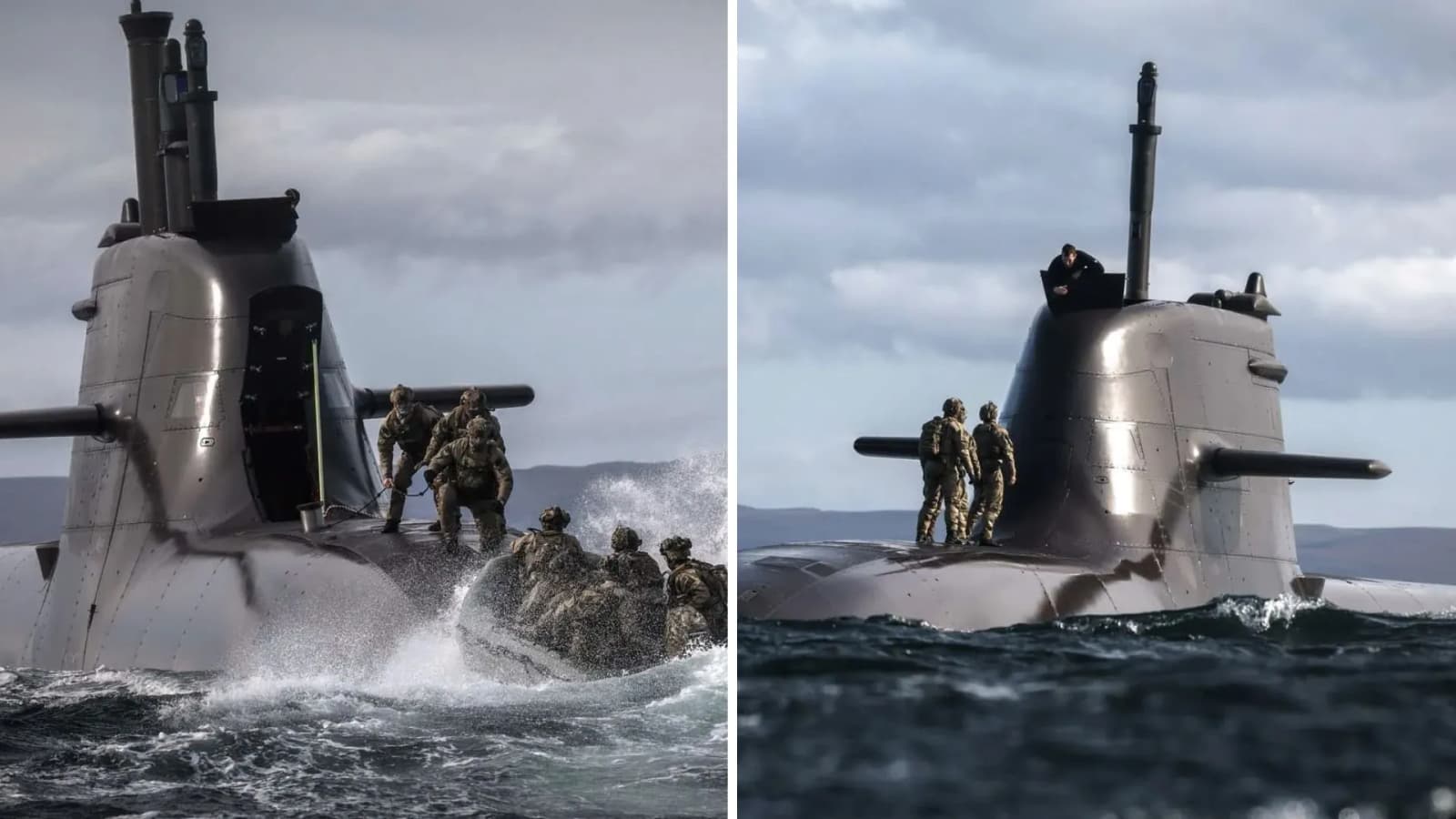
Commandos take a ride on huge attack submarines during NATO war exercise
British commandos were spotted on a submarine while carrying out a daring operation. They emerged...
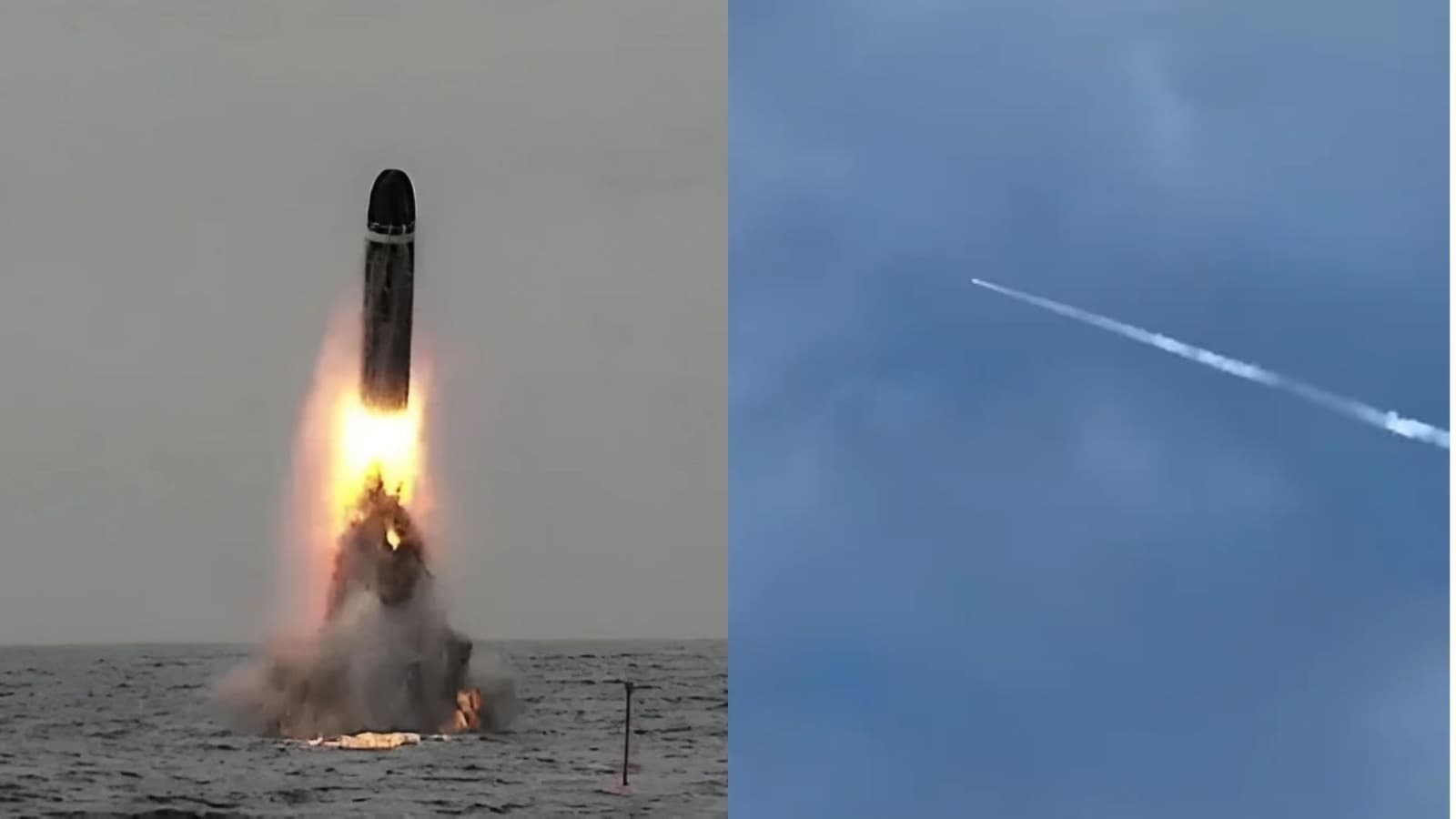
France launches nuclear-capable missile at sea with 1,240-mile climb, Mach 20 reentry
France has completed the first submarine launch of its upgraded M51.3 strategic nuclear-capable ballistic missile....
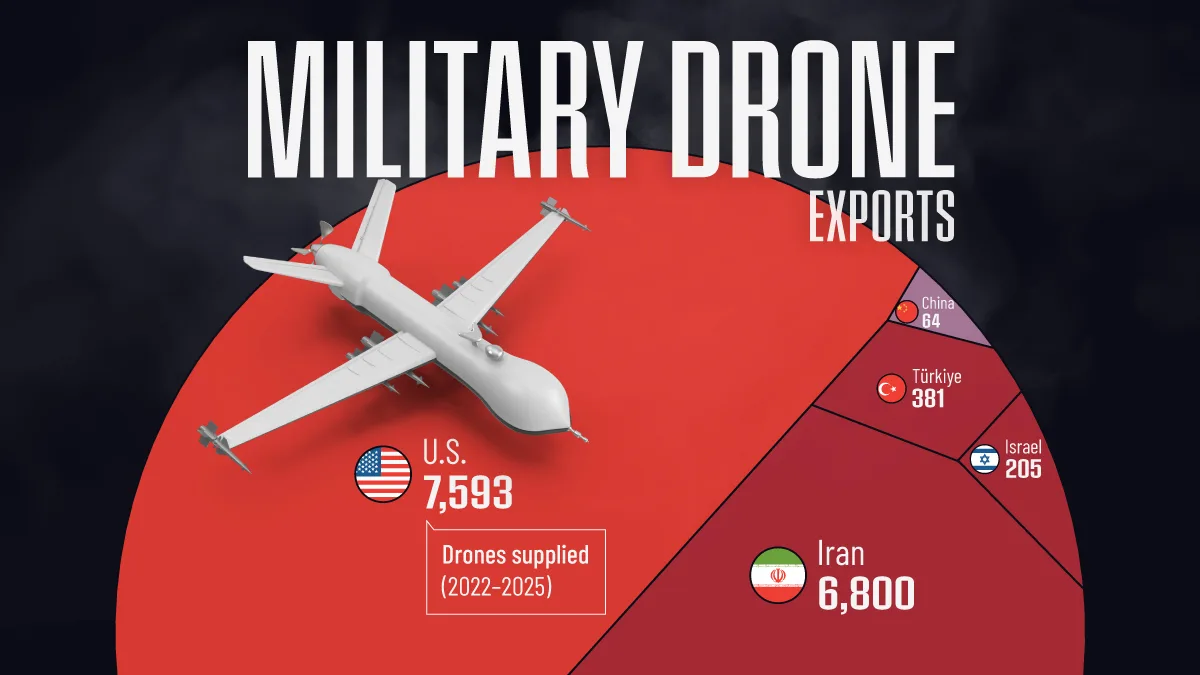
Ranked: The World’s Biggest Military Drone Exporters
The U.S. and Iran supplied 86% of military drones exported in 2022–2025, mostly to opposite sides of the Ukraine war, while Türkiye had the most customers.
Pentagon pulls B-1 bombers from UK airbase after new security warning over Iran
The US military has withdrawn its entire contingent of B-1B Lancer bombers from RAF Fairford...
Hypersonic missile’s 621-mile flight claim by North Korea challenged by Seoul
North Korea said Sunday that it had tested a hypersonic missile under leader Kim Jong...

Suspected Russian plague case draws White House scrutiny as 200 face quarantine
An institution built explicitly to neutralize biological catastrophes is now at the center of one....