US team develops device that powers battery-free sensors for at least 24 hours
Stepping up efforts to develop battery-free sensors, U.S. researchers have created a graphene-based device that...
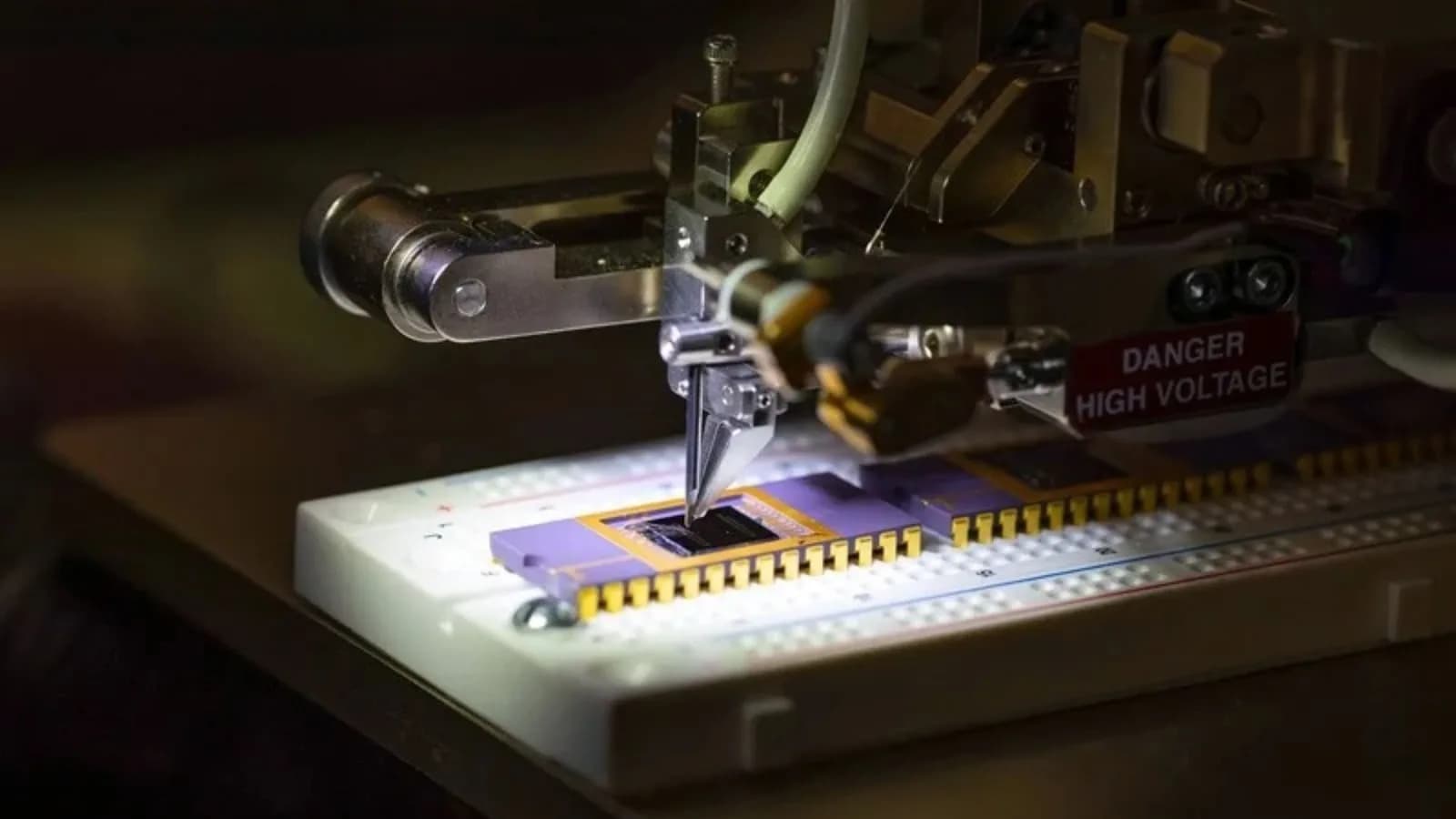
Stepping up efforts to develop battery-free sensors, U.S. researchers have created a graphene-based device that harvests energy from ambient radiation to provide the electricity needed to operate an ultra-low-power temperature sensor.
The technology lets the sensor operate for at least 24 hours during a power outage.
The latest prototype is the team’s second self-powered sensor, following an earlier graphene-based solar-powered sensor. Together, the two devices are part of a wider effort to create autonomous sensors that draw energy from multiple sources in their surroundings instead of relying on conventional batteries.
Harvests local energy
The research, carried out by physicists and materials scientists at the University of Arkansas and the University of Michigan, is aimed at meeting three key requirements for next-generation sensors.
According to the team, the devices must harvest energy locally, consume only nanowatts of power, and operate unattended for years, potentially decades. The researchers said the latest ambient radiation-powered sensor satisfies all three criteria.
As opposed to traditional wireless sensors that depend on batteries, the new device captures energy already present in everyday environments.
Paul Thibado, a physics professor at the University of Arizona who began studying the properties of Graphene nearly a decade ago, said ambient electromagnetic radiation exists throughout modern homes because of electrical wiring.
The sensor uses a graphene inductor to harvest energy from the magnetic fields surrounding power lines. That energy is then sent through a circuit, converted into usable electricity, and stored in capacitors that power the temperature sensor, he added.
Thibado further explained that because the capacitors are replenished faster than they are discharged, the sensor can continue operating even if power is interrupted.
“The inductor adds charge to these capacitors at a slow rate, but it’s faster than the rate the sensor uses up the charges from the capacitors,” he added.
According to Thibado, the stored energy can keep the sensor running for at least 24 hours during a power outage and potentially as long as a week, depending on operating conditions.
Cost-effective, sustainable
Besides the longer operation hours, the battery-free design also reduces the need for routine maintenance. Since the sensors do not require battery replacements, they can lower maintenance costs, labor, and battery waste.
Thibado, in a statement, described the approach as “set it and forget it,” noting that eliminating battery changes makes the sensors easier to deploy in locations where routine maintenance is difficult.
While the researchers demonstrated the technology using a temperature sensor, they hope to expand the applications for these self-controlled sensing systems. Potential uses include monitoring products during shipping, tracking environmental conditions such as soil and atmospheric temperature, managing logistics fleets, wearable fitness devices, and healthcare monitoring systems.
Going forward, the team plans to combine several graphene-based energy-harvesting technologies into a single sensor. Beyond ambient radiation, future devices could draw energy from sunlight, heat, sound, motion, and other environmental sources. Using multiple energy sources would allow the sensors to continue operating if one source becomes unavailable, improving dependability during power outages or other interruptions.
The researchers believe such multi-source, self-powered sensors could operate for decades with little or no maintenance, helping expand the Internet of Things (IoT) by enabling long-lasting smart devices that function autonomously without batteries.
Source: https://interestingengineering.com/innovation/graphene-device-harvests-ambient-radiation
Related articles