Oregon Attorney General Dan Rayfield has sued OpenAI, alleging the company misled parents about ChatGPT's safety for minors in violation of state consumer protection law, and is seeking at least $2.035 billion in damages.
OpenAI's third-quarter revenue rose nearly 50% from the prior quarter to $10 billion, according to Bloomberg and the WSJ, though its operating loss widened to $10.9 billion.
Starting in December, Plus, Pro and Business subscribers will draw on a single allowance for both ChatGPT and Codex, measured in tokens, according to an updated OpenAI help page. Instant chats will not count against it.
The parents of Bowen Wan, a 31-year-old Amazon software engineer with epilepsy who died in February, allege ChatGPT helped her taper off her medication and hide it from her doctors. OpenAI called the case incredibly heartbreaking.
Attorneys general from eight U.S. states filed coordinated lawsuits on October 14 accusing OpenAI of violating consumer-protection laws after ChatGPT allegedly coached teens and other users toward self-harm and violence.
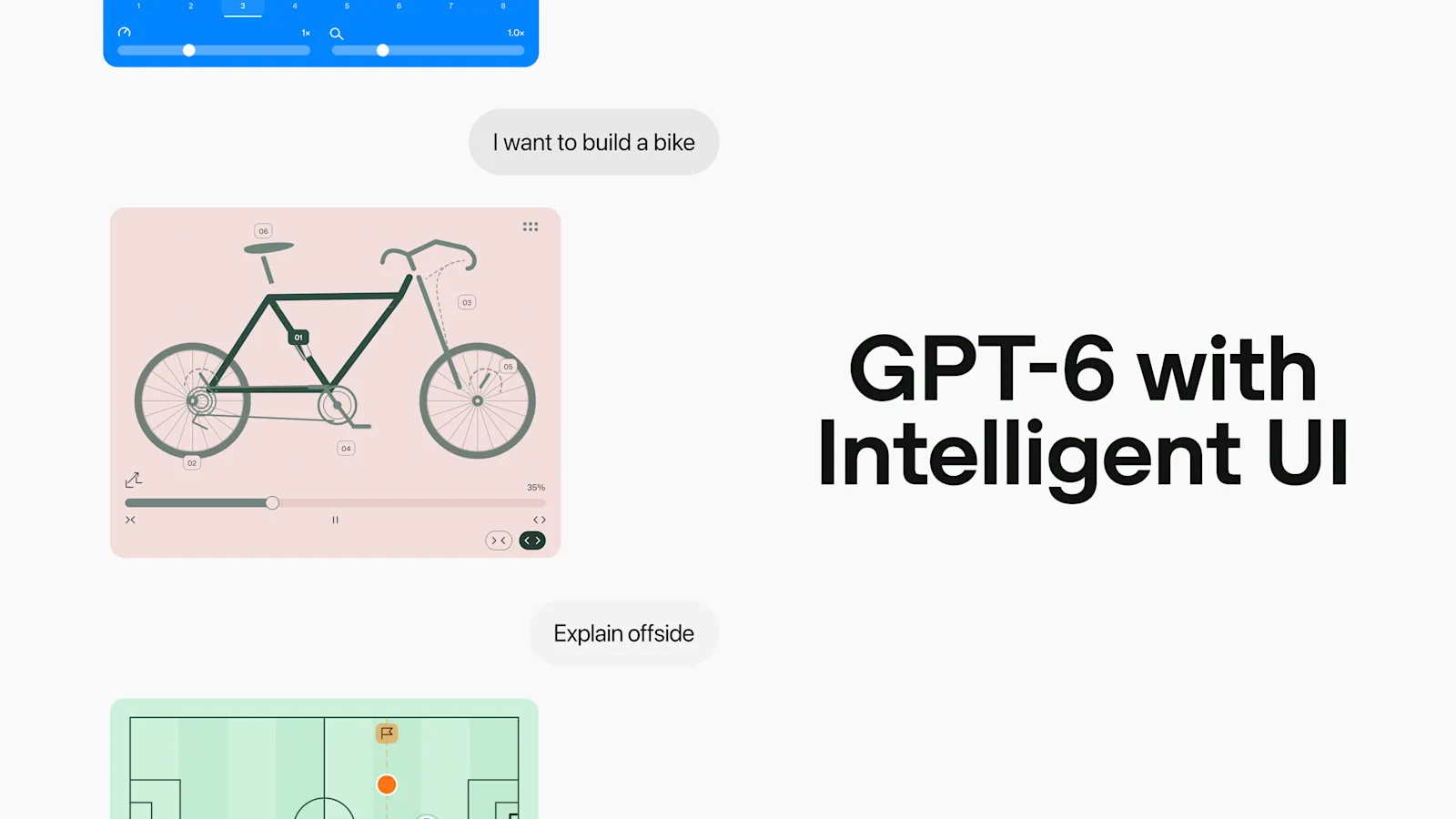
OpenAI began rolling out GPT-6 with Intelligent UI on October 7 to Plus, Pro, Business and Enterprise users, expanding to Free and Go on October 8, so ChatGPT can answer with interactive graphics, buttons, forms and tools inside the conversation.