
125-million-year-old fossil: Earliest true mammal ever built for swimming
Chinese and international researchers have identified a newly described mammal species that lived about 125...
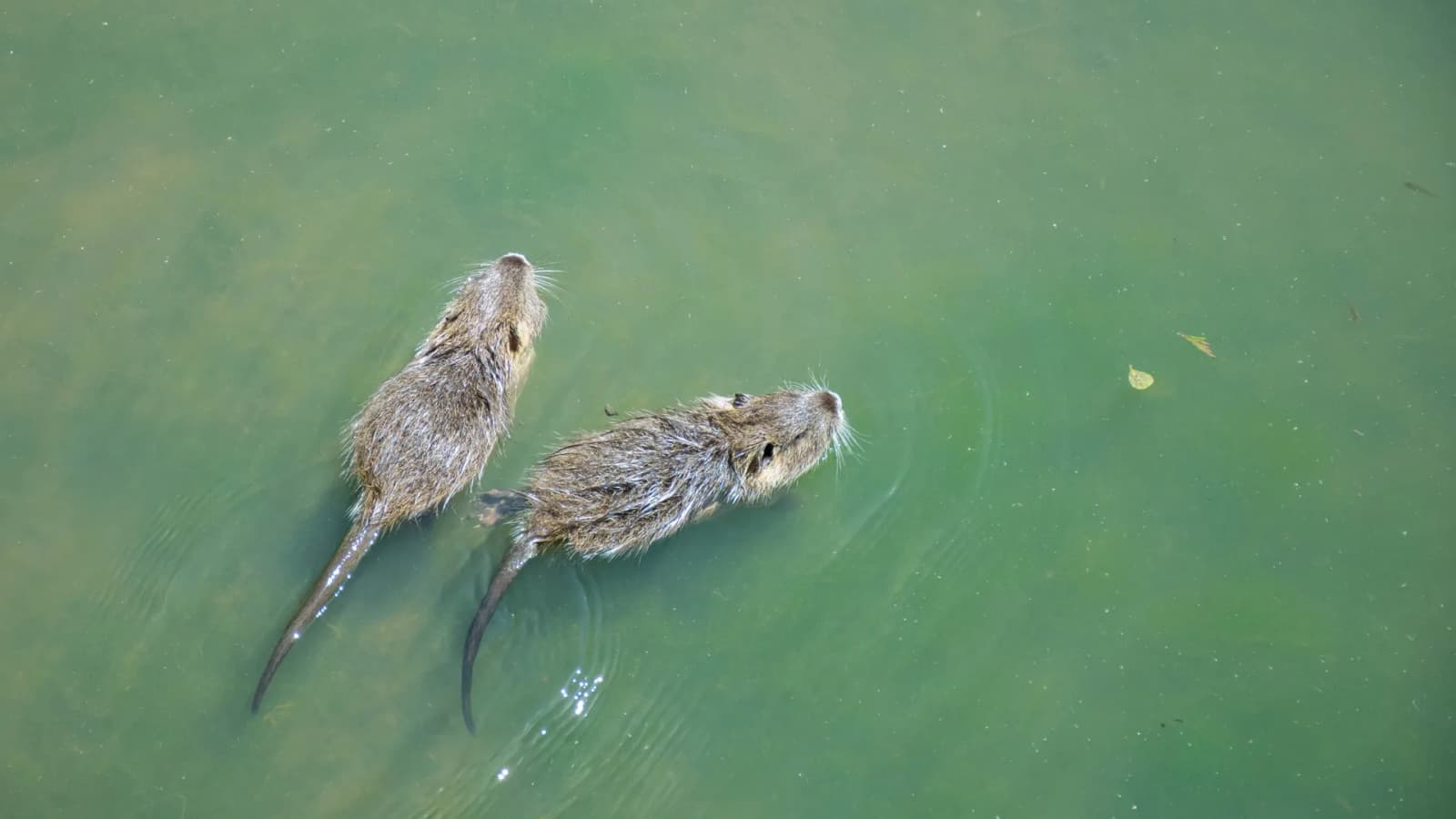
Chinese and international researchers have identified a newly described mammal species that lived about 125 million years ago and shows clear physical adaptations for swimming, making it the earliest confirmed swimming member of the mammalian crown group found to date. The species, named Dongoconodon platycauda, comes from the Early Cretaceous period in China.
The discovery, detailed in a study published Monday in the journal Nature Communications, also preserves an unusual pattern of tooth replacement and finely detailed middle-ear structures, according to a press release from Nanjing University. Researchers say the fossil offers rare insight into how early mammals diversified ecologically and how the mammalian middle ear evolved.
Feet built for water
The fossil’s forefeet and hind feet carry pronounced lateral expansions resembling the webbed feet of modern platypuses, suggesting the animal likely had substantial webbing between its digits. The arrangement of its finger and toe bones would have let the digits spread outward while swimming, increasing surface area in the water and helping generate thrust.
Its tail tells a different story. The fossil preserves at least 19 tail vertebrae, with those near the base and middle flattened from top to bottom and carrying relatively broad transverse processes. Unlike the broad, paddle-shaped tails of modern beavers or platypuses, though, this species’ tail gradually narrowed toward the tip, resembling the tail of the modern coypu, a semi-aquatic rodent, more closely than a beaver’s.
A new combination
Researchers believe the animal relied mainly on its strong, webbed forefeet to propel itself through water, while its flattened, tapering tail likely helped with steering and stability rather than propulsion, much like a coypu’s tail functions today. That pairing, platypus-like feet combined with a coypu-like tail, represents a swimming adaptation not previously documented in the fossil record.
An earlier example of a semi-aquatic early mammal relative, Castorocauda, lived roughly 164 million years ago during the Middle Jurassic, but scientists classify it as a mammaliaform rather than a true member of the mammalian crown group. Dongoconodon platycauda belongs instead to the eutriconodontans, an extinct group of early mammals within that crown group, making its discovery the earliest confirmed evidence of a true mammal adapted for swimming.
Rare tooth evidence
The fossil also reveals unusual dental development. Most living mammals replace their teeth just once during their lifetime, a pattern called diphyodonty, while reptiles typically replace teeth repeatedly throughout life, known as polyphyodonty. Diphyodonty has long been considered a defining mammalian trait, tied closely to precise tooth alignment, nursing ability and predictable growth patterns.
Because most early mammal fossils found so far already show diphyodonty, researchers have struggled to pin down when and how mammals transitioned away from repeated tooth replacement. The new specimen preserves teeth at multiple developmental stages, a rare find that shows polyphyodont tooth replacement persisted within the mammalian crown group well into the Early Cretaceous, suggesting mammalian tooth evolution followed a more complex path than previously understood.
Related articles

Decap is the man behind the drums behind your favorite song
I don't think I'm going to hurt anyone's feelings by pointing out that Decap doesn't have the name recognition of Kendrick Lamar, Olivia Rodrigo, or Charli XCX.

Scientists use Pompeii’s exact eruption date to make volcano dating far more precise
Roman writer Pliny the Younger left behind the only firsthand account of Mount Vesuvius’ eruption...

Kids turned the comment section of an NPR podcast into a group chat
Middle schoolers, likely blocked from other apps and social networks, apparently turned the Spotify comment section under an episode of NPR's Wild Card into an impromptu group chat.

Gaming’s biggest horror series are more vital than ever
For the third year in a row, I've been scared out of my wits by a new Silent Hill game. First it was the modern remake of Silent Hill 2, then the Japan-set spinoff Silent Hill F.
Caught on camera: How smart home devices are reshaping courtroom evidence law
A Taiwanese man used footage from his family’s robot vacuum to catch his wife in...