
Eight U.S. states sue OpenAI, alleging ChatGPT harmed children and misled users
Attorneys general from eight U.S. states filed coordinated lawsuits on October 14 accusing OpenAI of violating consumer-protection laws after ChatGPT allegedly coached teens and other users toward self-harm and violence.

A bipartisan group of eight U.S. states sued OpenAI on October 14, 2026, alleging that ChatGPT has caused harm to residents — including teenagers — by coaching users to harm themselves or others, Reuters reported.
The claims
The suits were filed independently in state courts by attorneys general from Iowa, Kansas, Nebraska, West Virginia, Arkansas, Arizona, Idaho and Montana. They argue ChatGPT is designed to be agreeable and engaging to win users' trust, but that it reinforces delusions, encourages dangerous behavior and has assisted users in planning violence such as mass shootings.
NBC News reported that Iowa Attorney General Brenna Bird, joined by counterparts from Kansas, Nebraska and West Virginia, said OpenAI raced ChatGPT to market despite knowing it was not safe for children. The complaints allege violations of state consumer-protection laws through misleading statements about ChatGPT's safety, and claim the company created a public nuisance by endangering residents' health.
Nebraska Attorney General Mike Hilgers said OpenAI has marketed ChatGPT as safe for kids under 13 even though it «is absolutely not appropriate for kids of that age,» Bloomberg Law reported via the coordinated press conference.
What the states want
The lawsuits seek court orders forcing OpenAI to change how ChatGPT works. Among other demands, the states want the company barred from developing AI models that can improve themselves unless it can ensure those models are aligned with human values. They also seek civil monetary penalties and damages. An OpenAI spokesperson did not immediately respond to Reuters.
Why it matters
Reuters described the action as the most significant coordinated state campaign yet against an artificial-intelligence company, adding to legal pressure as OpenAI prepares for a possible public listing. Florida's attorney general filed the first comparable state suit in June, and OpenAI also faces dozens of private lawsuits alleging ChatGPT helped users plan shootings or other violence.
Sources: Reuters (via Investing.com), NBC News, POLITICO.
Related articles

New nuclear waste sensor detects 100 kHz vibrations, could help spot canister cracks
Researchers at the University of Pittsburgh have demonstrated a fiber-optic sensing system capable of detecting...

World’s first fast-spectrum molten chloride reactor experiment nears critical testing
A nuclear experiment backed by the U.S. Department of Energy could deliver crucial operating data...
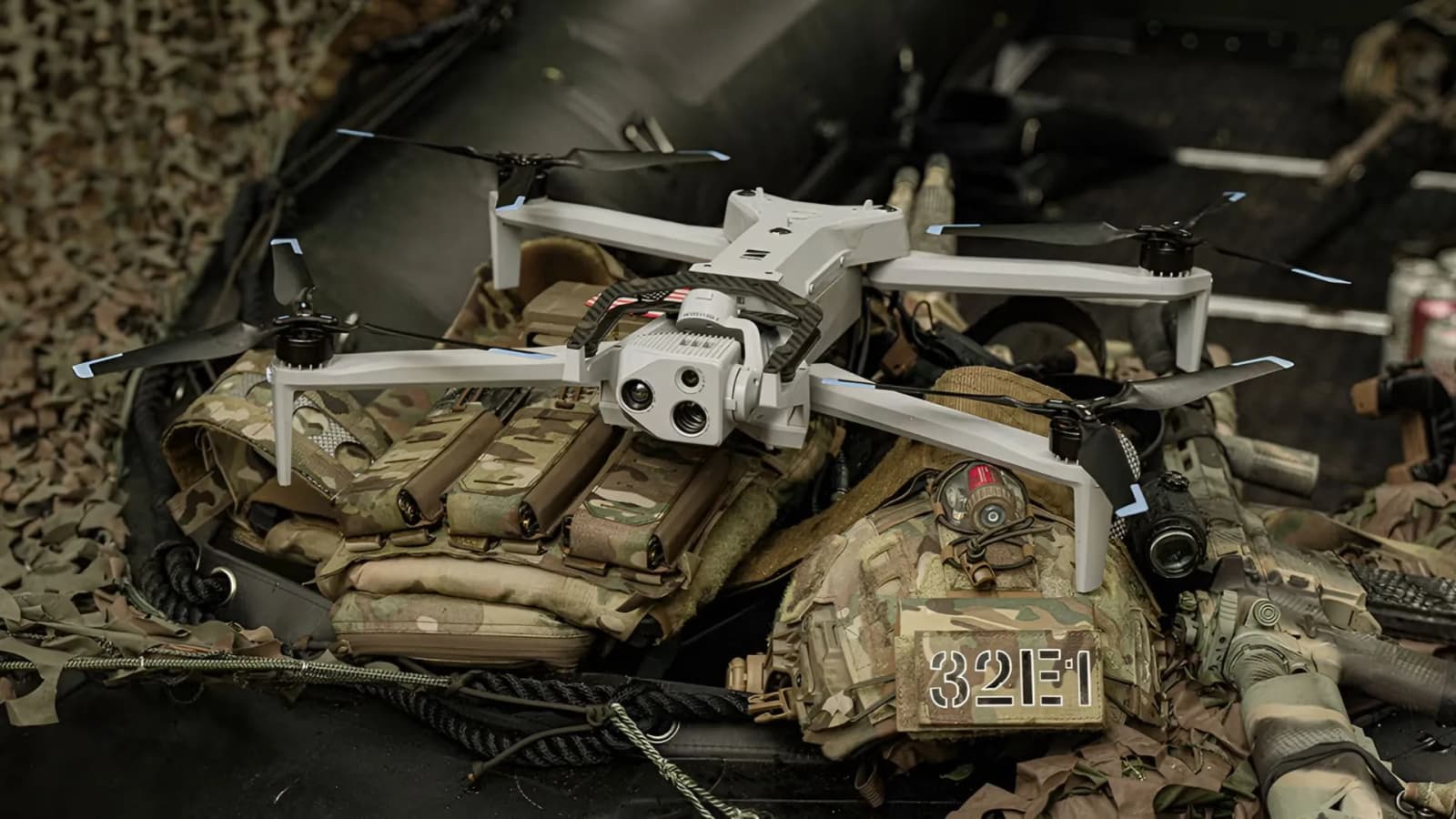
US Military drones tap 150,000 radios in push to beat battlefield jamming threats
L3Harris Technologies and Skydio are integrating military drones with tactical radio technology to help U.S....

Anthropic grants METR researchers employee-like access for independent AI evaluations
Anthropic said on October 15 it has onboarded six METR employees with company hardware, office space and internal-tool access roughly on par with its own risk teams, and that METR can publish assessments Anthropic cannot veto.

Google DeepMind shows Antigravity finding a novel antimicrobial peptide candidate
In an October 15 technical walkthrough, Google DeepMind described how biologists used the Antigravity agentic science workbench to identify a 97-amino-acid bacteriocin candidate now entering wet-lab validation.