
Bagehot: Britain’s “pensioner communism” is collapsing under its own contradictions
The Economist’s Bagehot column casts Andy Burnham’s triple-lock overhaul as “perestroika for pensioners” and argues that Britain’s age-based political settlement is ending. With an editor’s note.
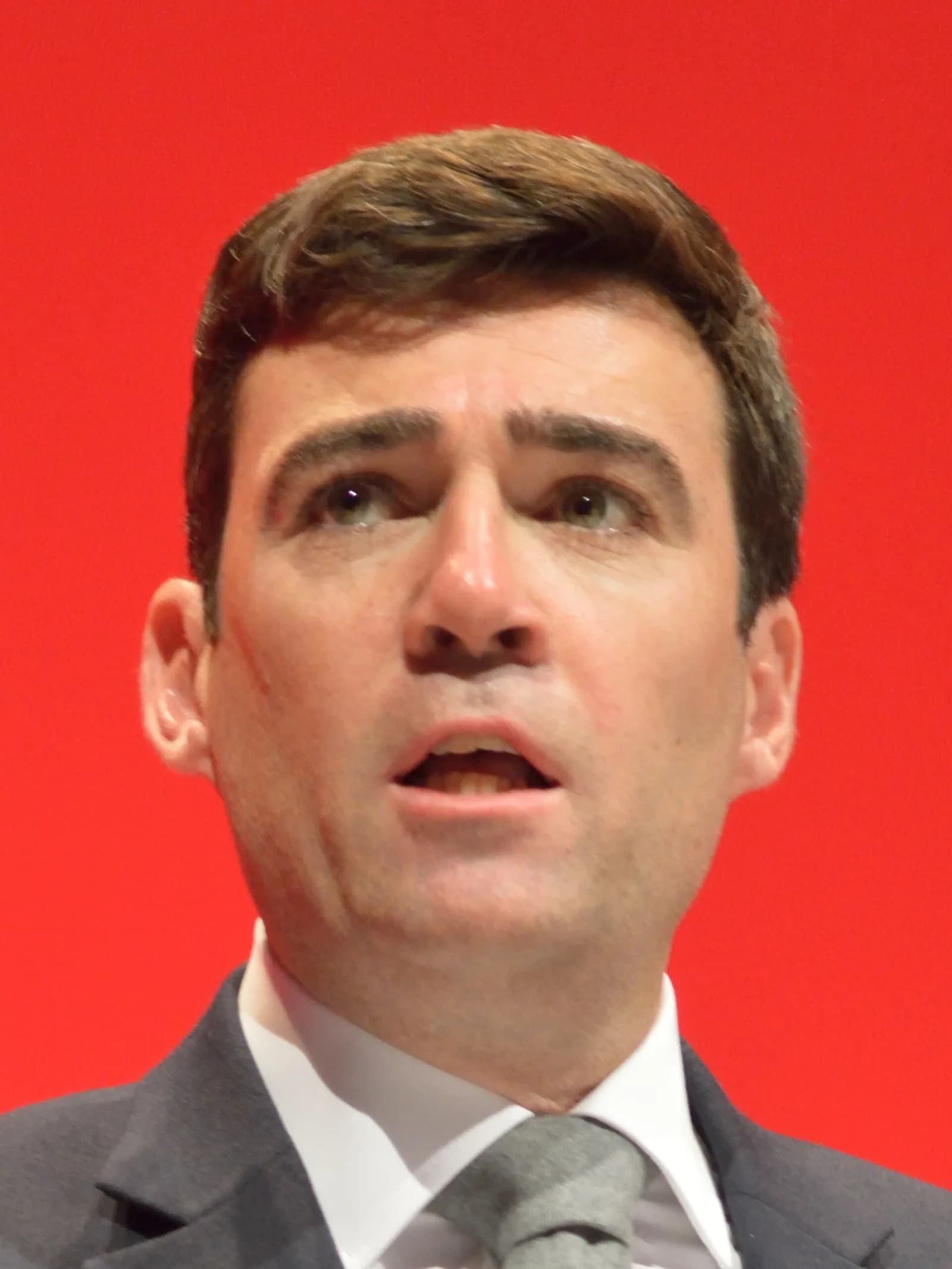
The Economist’s Bagehot column on British politics published “The coming fall of pensioner communism” in the October 10, 2026 UK print edition, with the subtitle “Just like the Soviet kind, it is collapsing under its own contradictions.” The online version appeared on October 8.
What Bagehot argues
According to the Bagehot columnist, since 2010 the British state has answered Lenin’s “Who? Whom?” with a simple formula: who? pensioners; whom? everyone else. With the Conservatives as its vanguard, the column says, services for the working-age were squeezed while pensioners’ concerns — Brexit, free TV licences and the rest — were protected. An old Marxist mantra got a new twist: “From each according to his ability; to each according to his age.”
Bagehot applies anthropologist Alexei Yurchak’s title on the Soviet collapse, “Everything Was Forever, Until It Was No More,” to this political settlement. In the column’s view, demographic change, economic strain and internal contradictions will bring “pensioner communism” down.
Burnham’s “perestroika”. Future historians, Bagehot writes, will date the fall from a speech in Liverpool in September 2026. Britain’s new-ish prime minister, Andy Burnham, pledged to overhaul the triple lock — the policy that raises the state pension each year by the highest of inflation, earnings or 2.5%. There is no change until 2030, after the next election. The savings, perhaps £20bn ($26bn) a year by 2040, would go to a new National Care Service, the column says. It calls this “perestroika for pensioners,” with Burnham cast as Gorbachev, not Yeltsin.
Tax and poverty. In Bagehot’s account, a pensioner working at B&Q faces a 20% marginal rate, while a new graduate loses 37% in deductions. When Margaret Thatcher left office in 1990, 40% of pensioners were in poverty; now, the column says, pensioner households often have higher incomes than working-age ones.
Demography. Millennials became the largest cohort in 2020. The 2024 general election, Bagehot argues, was the first that someone born in the 1950s would have lost had they voted with the bulk of their cohort.
Political hypocrisy. After Burnham’s speech, the column says, Conservatives who privately criticise the triple lock defended it in public. It also notes that Labour peer Prem Sikka proposed a state pension equal to the minimum wage.
What fills the vacuum. Once the settlement cracks, Bagehot warns, the space may be filled by rejoining the EU within a decade, voting reform, and a risk that racism taboos melt. It ends: “Everything is for ever, until it is no more.”
Context
- Bagehot: The Economist’s unsigned column on British politics, named after Walter Bagehot.
- Triple lock: Introduced by the 2010 coalition government. The state pension rises each year by the highest of CPI inflation, average earnings growth or 2.5% (GOV.UK; House of Commons Library).
- Andy Burnham: Britain’s prime minister. In his Labour conference speech in Liverpool on September 29, 2026, he said the triple lock would stay unchanged through this Parliament, then be adjusted from April 2030, with the savings used for a National Care Service (GOV.UK; BBC).
Editor’s note
Bagehot’s strongest point is intergenerational fairness and fiscal strain. That older voters weigh heavily at the ballot box, and that pension spending rises over time, has long been a concern of Britain’s fiscal watchdogs. That Burnham himself has chosen to adjust the triple lock from 2030 and link the savings to care shows the argument has moved to the centre of politics.
The Soviet analogy, though, is rhetorical: calling pension policy “communism” is meant to land a punch, not to describe a system. Pensioner poverty has not vanished. A House of Commons Library briefing puts 14% of pensioners (1.7 million people) in relative poverty after housing costs in 2024/25. The Institute for Fiscal Studies finds that in 2022–23 median pensioner household income after housing costs was still below that of working-age adults, so Bagehot’s claim that pensioner households “often” out-earn working-age ones should be read with care. The column’s “40% in 1990” figure does not specify the poverty measure; official series typically begin in the mid-1990s. The £20bn savings estimate, the tax examples and the warning about racism taboos are the column’s own judgments and each needs separate checking.
Mongolia is not Britain, but the lesson travels. Mongolia still has a relatively young population, yet its pension system faces long-term sustainability questions. The social insurance budget includes large state subsidies for pensions and contribution relief (parliamentary budget documents put the figure at about 1.45 trillion tögrög in 2025 and about 1.48 trillion in the 2026 draft). Prime Minister N. Uchral, while serving as Minister of Digital Development, Innovation and Communications, warned that the contributor-to-pensioner ratio was worsening and that future budget pressure would grow (polit.mn). The British debate’s core questions — fairness between generations, transparent numbers and a voice for the young — matter for Mongolia’s social-insurance reform too. What is needed is evidence and open argument, not borrowed metaphors.
Source: The Economist, Bagehot, October 10, 2026 (print edition) https://www.economist.com/britain/2026/10/08/the-coming-fall-of-pensioner-communism
Related articles

Zorig case resurfaces: Baabar’s DNA doubts and what X said in 2024
Baabar’s post doubting police DNA findings on hair from the 1998 Zorig murder scene has revived an unsolved case. We compare it with X posts from 2023–2024 and the official timeline.

Mongolian state bodies signed MNT 24.2 billion in media contracts in 2025
Uchirtai.mn compiled 2025 government spending on media contracts based on a National Audit Office study.

Ohio blogger found guilty of harassment for sending Shrek nude to senator
A jury found an Ohio political blogger guilty of telecommunications harassment after he sent an explicit image of Shrek to a Republican state senator.

Brendan Carr says he’ll let Pete Hegseth decide whether TV networks can air the public execution
FCC chairman Brendan Carr said he will defer to Secretary of Defense Pete Hegseth on whether TV networks can air the planned execution of convicted Fort Hood shooter Nidal Hasan by firing squad.

Where the World’s Biggest Arms Exporters Send Their Weapons
Explore who receives weapons from the world’s biggest arms exporters, from U.S. shipments to Saudi Arabia to military aid for Ukraine.

Trump’s attempt to rename AI is looking awfully artificial
President Donald Trump has a knack for turning words against his enemies.