
Google strikes nuclear reactor power upgrade deal to add 96 megawatts to Georgia grid
Google has reached a deal with utility firm Georgia Power to squeeze extra electricity from...
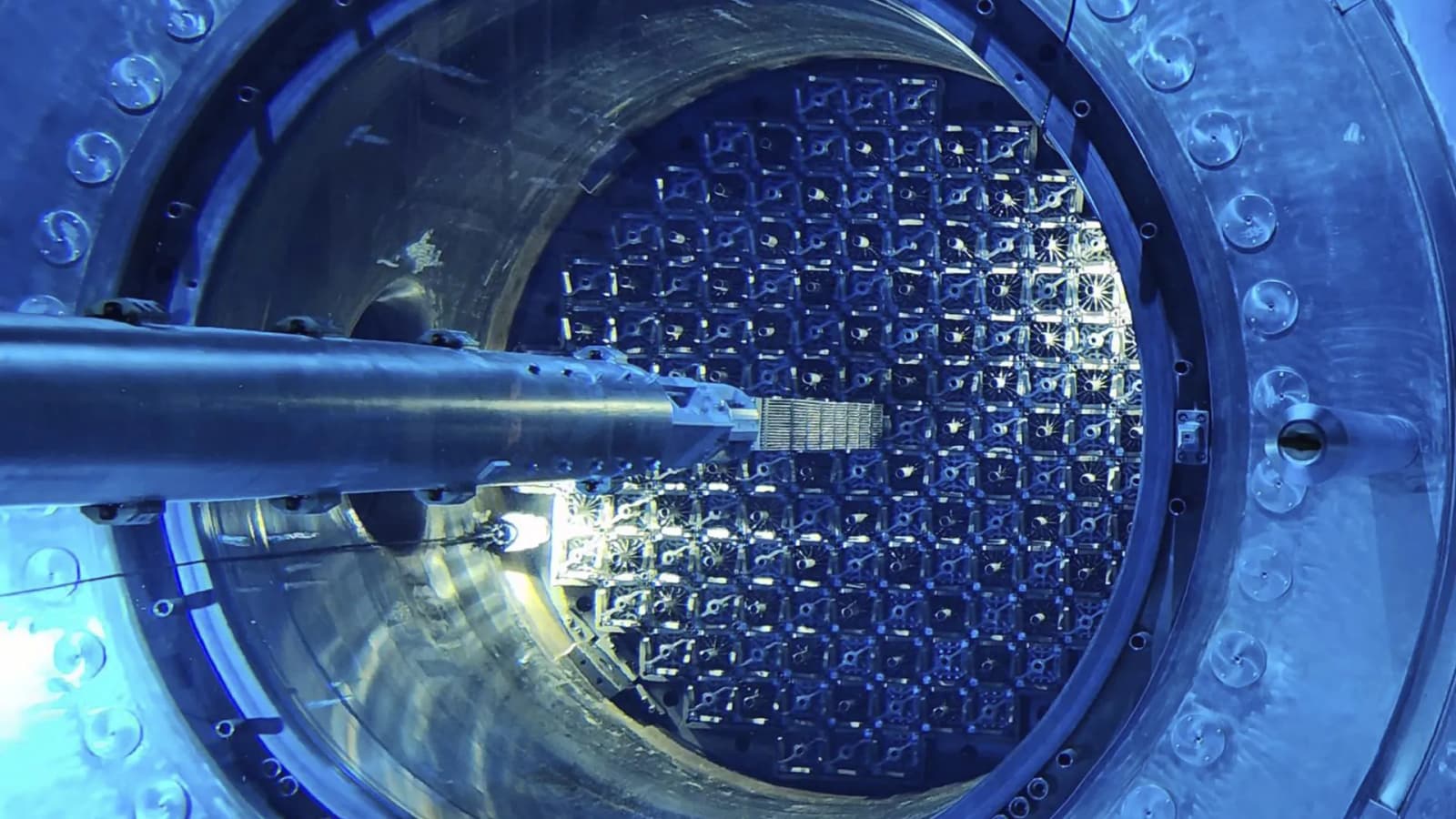
Google has reached a deal with utility firm Georgia Power to squeeze extra electricity from two existing nuclear plants. The project will add roughly 96 megawatts of zero-carbon capacity to the local power network.
Technology companies face surging electricity demands from computer data centres. At the same time, these firms maintain strict climate commitments. Nuclear power offers continuous electricity without carbon emissions. This makes it an attractive option for tech giants.
“Many of our large customers have specific clean energy goals, and we continue to work with the Georgia PSC to create programs that not only help them meet their goals, but align with our Customer Protection Pledge, enhancing the reliability and resiliency of the power grid and creating savings for all customers,” said Aaron Mitchell, Senior Vice President of Strategic Growth for Georgia Power.
Extended power uprates
The plan targets Plant Hatch in Baxley and Plant Vogtle near Waynesboro. Together, these two facilities supply over a quarter of Georgia’s total electricity. Under the agreement, engineers will carry out extended power uprates on four older reactors.
The process involves mechanical modifications to physical plant components. Technicians will upgrade the steam turbines, pumps, motors, and cooling circuits. These hardware improvements allow the reactors to produce more electrical power safely from their existing cores.
State and federal regulators must approve the technical changes before work begins. The Georgia Public Service Commission cleared the uprate for Vogtle Units 1 and 2 in 2025. On Monday, Georgia Power submitted a formal request to the commission to approve identical modifications at Hatch Units 1 and 2.
Shielding standard consumers
Federal reviews will move at a separate pace. The Nuclear Regulatory Commission expects licence applications for Hatch in the second quarter of 2027. Filings for Vogtle Units 1 and 2 will follow in the fourth quarter of 2028. The scheme strictly covers older units. It excludes Vogtle Units 3 and 4, which entered commercial operation in 2023 and 2024.
The project relies on a novel commercial framework to shield standard consumers from financial risk. Georgia Power submitted a subscription tariff model, designated NU-1, alongside an agreement with Google. Regulators blacked out the exact contract terms in public filings.
However, the utility confirmed that Google will pay for the modernisation work through the tariff. In exchange, Google receives the clean energy credits tied to the extra electricity. Georgia Power estimates this system will deliver 900 million dollars in net savings for ordinary customers over the working life of the reactors.
Support affordable power
Lucia Tian, Director of Advanced Energy Technologies at Google, stated that digital infrastructure growth should bring tangible local benefits and support affordable power for residents.
The nuclear upgrades accompany wider energy investments across the state. Georgia Power recently opened a 128-megawatt commercial battery storage facility. This installation stores solar power during periods of low demand. It can release electricity for up to four hours when evening consumption peaks.
Hatch currently generates 1,793 megawatts and Vogtle’s older units provide 2,338 megawatts. Combined with battery reserves, the uprated reactors will strengthen grid reliability without expanding the physical footprint of either plant site.
Source: https://interestingengineering.com/energy/google-strikes-nuclear-reactor-power-upgrade-deal
Related articles

Control Resonant is a great game — it’s even better when you read everything
In Control Resonant, the entire world is at stake.

What Northrop Grumman’s F/A-XX concept reveals about the Navy’s future carrier fighter
An aircraft carrier gives a fighter a moving runway, but it also limits the space...

Pokémon card resellers have turned collecting into an online blood sport
Earlier this month, Pokémon card content creator Natalie Roush posted a video to her YouTube and Instagram pages that enraged the larger collection community.
Wind turbines reduce radar coverage by 7% and increase blind spots by 15%, study finds
A new Chinese study has found that offshore wind turbines can confuse shore-based radar systems....
Tesla close to making 1,000 Optimus humanoids a week, but robots struggle with tasks
Tesla has reported that it is now in a position to produce hundreds of its...
Scientists build a palladium membrane to keep water out of green ammonia reactors
For years, scientists have tried to make ammonia without relying on fossil-fuel-derived hydrogen, but they...