
Parliament rejects the Heating Supply Bill and returns it to its sponsors
At its October 15 plenary, a majority of Mongolian MPs voted against discussing the Heating Supply Bill, which included rules on heat meters, so under parliamentary procedure the bill was returned to its initiators.
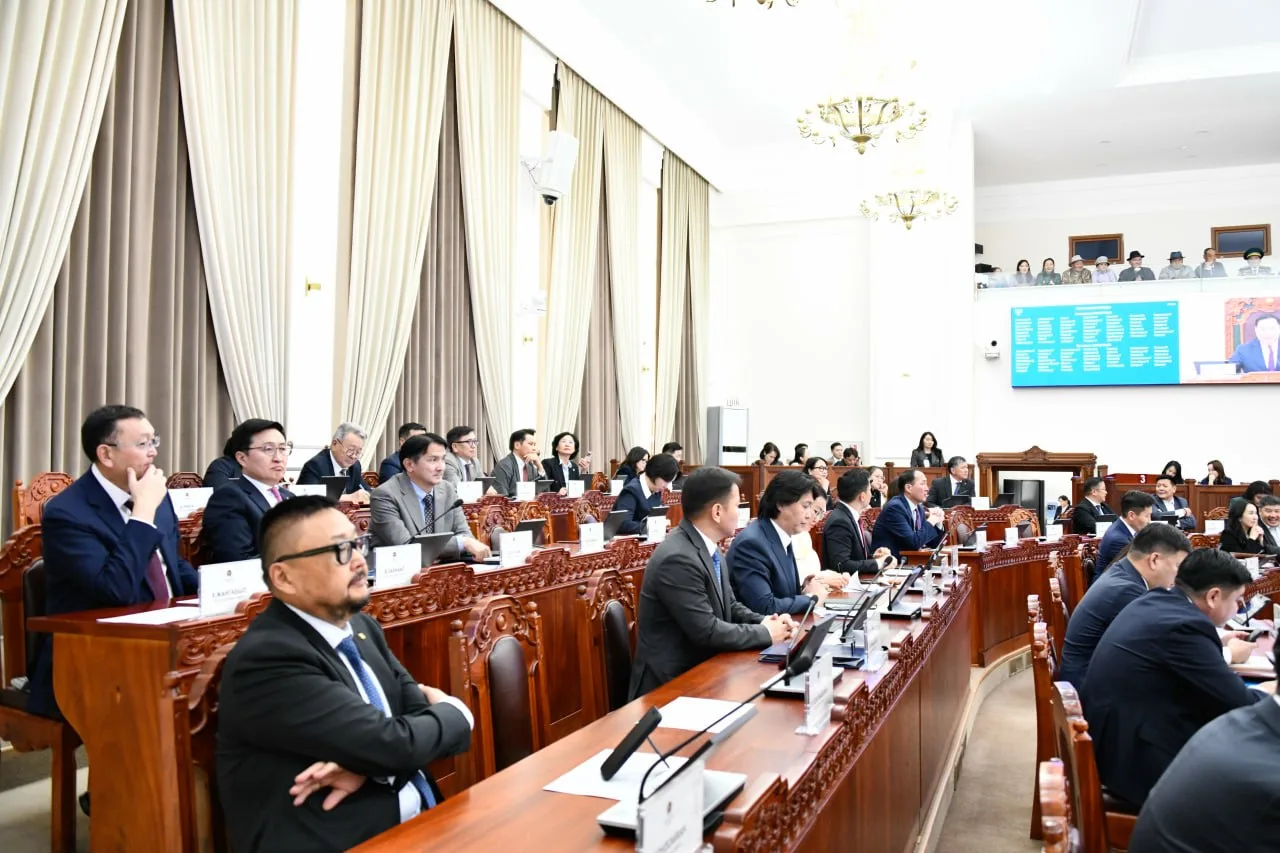
At its plenary session on the afternoon of October 15, during the 2026 autumn session, Mongolia's State Great Khural (Parliament) voted on whether to discuss the Heating Supply Bill and its accompanying bills in principle. A majority of the members present voted against.
Under Article 36.14 of the Law on the Procedure of Parliamentary Sessions, when a majority of those voting do not support discussing a bill in principle, a resolution returning the bill to its initiators is deemed adopted. Vice-Chairman B. Purevdorj accordingly declared the parliamentary resolution "On returning the draft law" adopted and announced it to the session.
What the bill proposed
During the debate, MPs O. Altangerel, G. Khosbayar, S. Erdenebat, D. Enkhtuvshin, Ch. Undram, L. Soronzonbold, Ts. Baatarkhuu and B. Purevdorj questioned the bill's sponsor, MP M. Enkhtsetseg, and members of the working group. They asked whether the law would reduce the risk of corruption in the heating sector, what heat metering would cost and achieve, and how service quality and tariffs would change.
M. Enkhtsetseg said that only about five percent of the Energy Law currently deals with heat supply, with the rest governed by more than 800 regulations, arguing that this legal uncertainty breeds corruption and red tape and that a standalone law would give the sector clear rules. The sponsors estimated that a heat meter costs about 1 million togrog per unit today but could get cheaper as use spreads. Because the meters would belong to the heat supplier, they argued, customers would not face extra costs, and households would pay for the heat they actually use and could manage their consumption.
MPs P. Sainzorig and O. Saranchuluun spoke for the group backing the standing committee's conclusion. Sainzorig said the bill would bring order to the sector, encourage distributed and independent heat sources, and help address air pollution and housing. Saranchuluun stressed the need to take into account people with disabilities and other vulnerable groups. Other MPs said transitional arrangements, tariff reform and protections for target groups of consumers needed to be spelled out in detail.
Other decisions at the same session
At the same session, Parliament agreed by 54% of the 100 members present to discuss the revised Statistics Law in principle and sent it to the standing committee to prepare the first reading. It also held the final reading of amendments to the law on rehabilitating victims of political repression and compensating them, and sent the bill to the standing committee to prepare for final adoption.
Reaction on X
Some X users welcomed the bill's rejection, while others pointed out that new buildings have very limited options for connecting to the city heating network.

Ашгүй уих нь дулааныг тоолуурт шилжүүлэхийг дэмжээгүй байна

Эмх замбараагүй барьсан баахан байшингууд руу уралдаж дулаан татсаар дуусгасан. Одоо хаана ч нэг ч ширхэг байшин холбох зөвшөөрөл авах боломжгүй, улс даяараа! Ийм эмгэнэлтэй байдлаас гарах цорын ганц гарц нь шинээр дулааны станц барих биш, огт дулаан өгөхөө байчих хэрэгтэй. Show more
Source: Open Parliament Office of the State Great Khural (parliament.mn), newswire.mn
Related articles

Trump calls off livestream of execution
The execution of Fort Hood shooter Nidal Hasan will not be livestreamed as Secretary of Defense Pete Hegseth had previously announced.
Bagehot: Britain’s “pensioner communism” is collapsing under its own contradictions
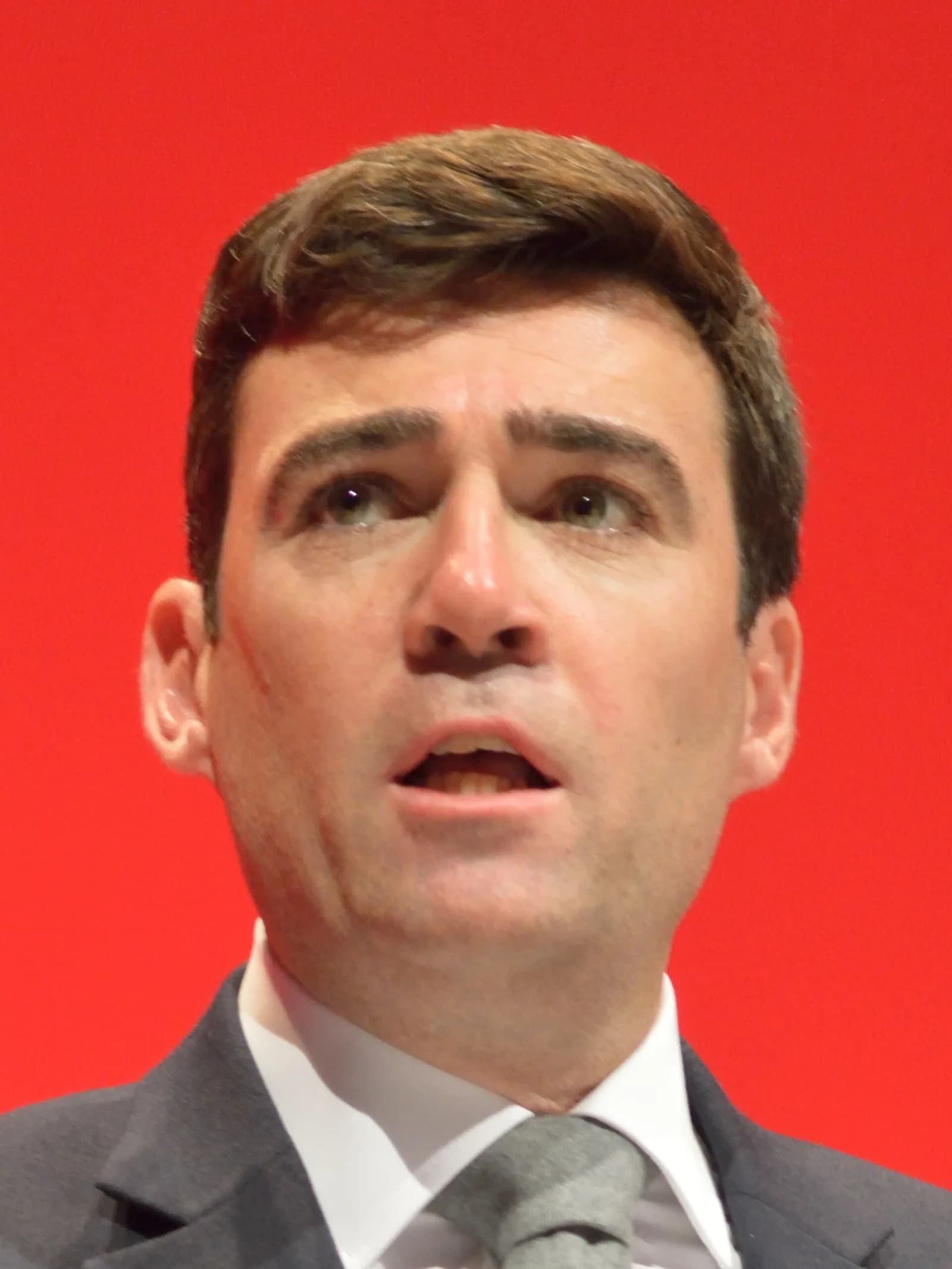
The Economist’s Bagehot column casts Andy Burnham’s triple-lock overhaul as “perestroika for pensioners” and argues that Britain’s age-based political settlement is ending. With an editor’s note.
Zorig case resurfaces: Baabar’s DNA doubts and what X said in 2024
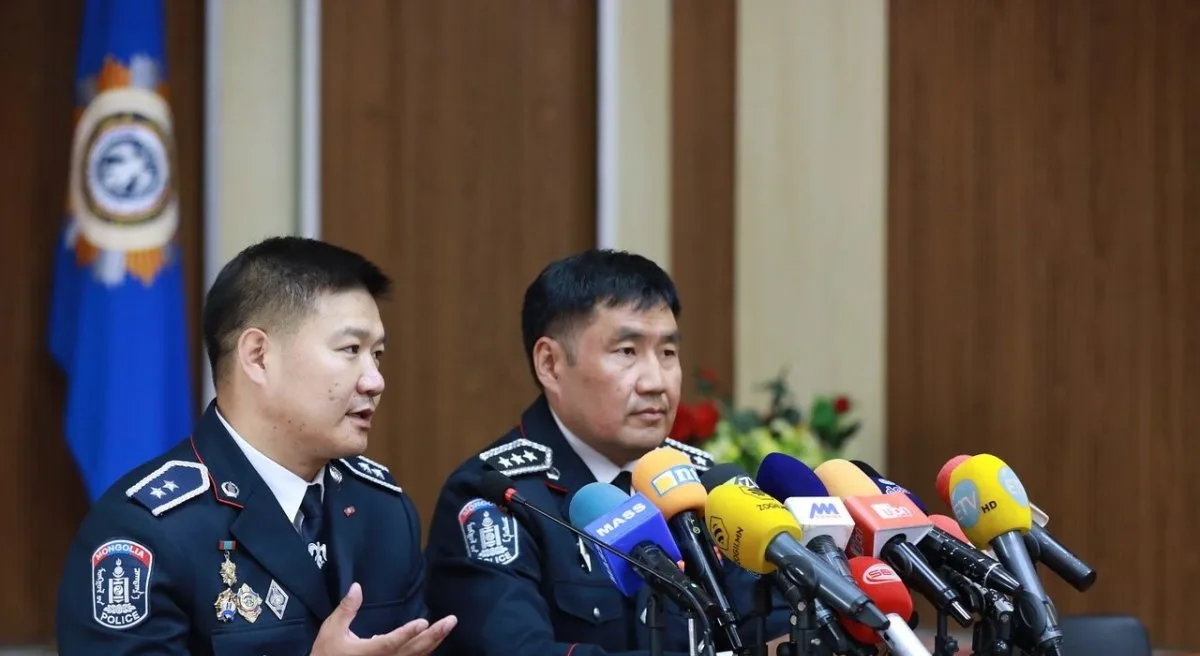
Baabar’s post doubting police DNA findings on hair from the 1998 Zorig murder scene has revived an unsolved case. We compare it with X posts from 2023–2024 and the official timeline.
Mongolian state bodies signed MNT 24.2 billion in media contracts in 2025
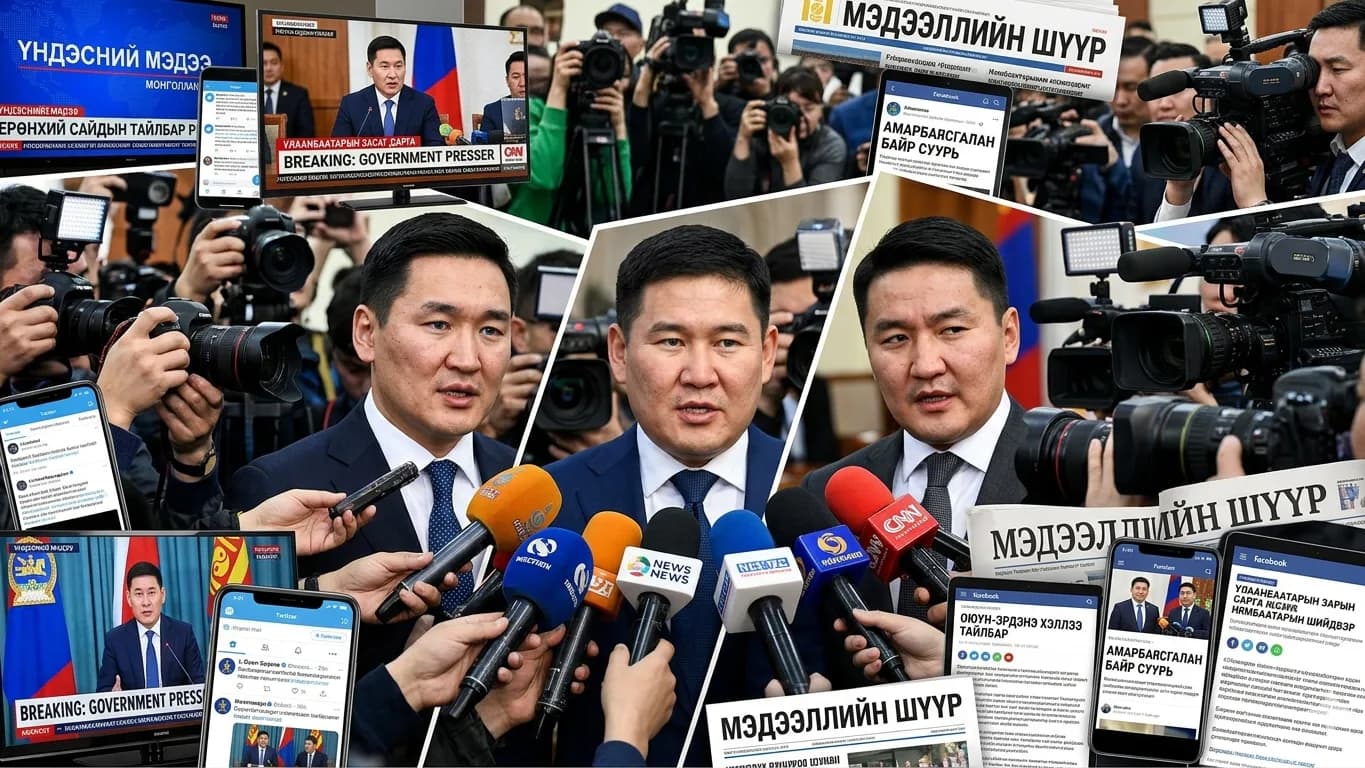
Uchirtai.mn compiled 2025 government spending on media contracts based on a National Audit Office study.

Ohio blogger found guilty of harassment for sending Shrek nude to senator
A jury found an Ohio political blogger guilty of telecommunications harassment after he sent an explicit image of Shrek to a Republican state senator.

Brendan Carr says he’ll let Pete Hegseth decide whether TV networks can air the public execution
FCC chairman Brendan Carr said he will defer to Secretary of Defense Pete Hegseth on whether TV networks can air the planned execution of convicted Fort Hood shooter Nidal Hasan by firing squad.