
California home batteries set new record by sending 745 MW power to grid
Home batteries operated by Sunrun and Tesla delivered a record 745 megawatts of peak power...
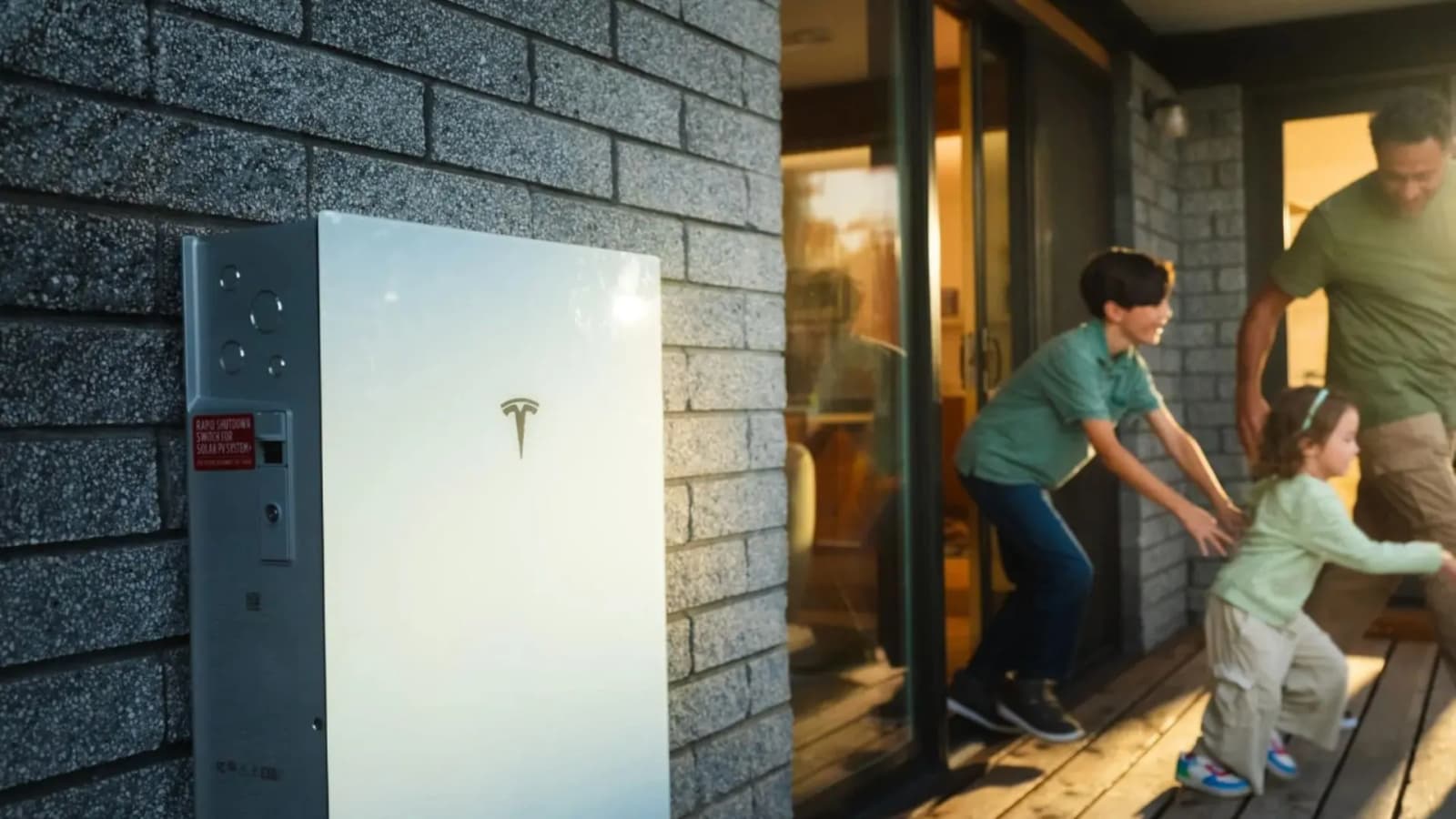
Home batteries operated by Sunrun and Tesla delivered a record 745 megawatts of peak power to California’s electricity grid on October 6, helping meet elevated demand during a prolonged heat wave.
The dispatch surpassed the 669 MW delivered a day earlier, setting consecutive records for residential distributed power plants in the United States, according to Sunrun’s October 14 announcement.
At the request of the California Energy Commission and utilities, the companies discharged batteries installed in homes during multi-hour evening peak periods.
Sunrun said the coordinated releases increased the grid’s operating margin and put downward pressure on real-time electricity prices.
Home batteries meet evening demand
The October 6 dispatch delivered enough peak power to supply all households in San Francisco and San Jose combined, according to Sunrun. It demonstrated how batteries spread across individual properties can collectively provide a substantial source of electricity when demand rises.
Both evenings involved California’s Demand Side Grid Support (DSGS) program. Dispatches were triggered after the California Independent System Operator’s day-ahead locational marginal electricity price exceeded $200 per megawatt-hour.
The October 5 event also marked the first time this year that DSGS and the Emergency Load Reduction Program called for concurrent dispatches across all participating investor-owned utility service territories. By coordinating residential batteries, the programs tapped energy infrastructure already installed in homes to support the wider electricity network during periods of heightened demand.
Two dispatches raise the record
The back-to-back events exceeded the previous residential distributed power plant record of 580 MW, set on September 9, 2026. That dispatch had surpassed the 539 MW delivered on July 29, 2025.
The latest peak of 745 MW represented an increase of 165 MW over September’s record, or approximately 28 percent.
“These record-setting events prove that the energy infrastructure already installed in people’s homes can deliver power at a scale that makes a real difference for the grid,” said Sunrun CEO Mary Powell.
“Instead of relying solely on costly new power plants to meet peak demand, California is putting existing home battery infrastructure to work when electricity is needed most, and customers are being compensated for helping strengthen grid reliability,” she added.
Sunrun alone has more than 120,000 residential batteries enrolled to support California’s grid. The company did not provide separate contributions from Sunrun and Tesla for either October dispatch.
Google-backed project targets local needs
The records come as another distributed power initiative takes shape around San Jose, with a focus on providing localized grid support.
In September, Sunrun, Tesla, and Everyday Electric, formerly Renew Home, announced plans to enroll nearly 21,000 existing flexible energy devices in a Google-funded distributed power plant with utility PG&E.
The initiative is designed to test how distributed energy resources can relieve local grid constraints and help meet rising electricity demand. Initial dispatches are expected in October, according to the announcement.
Together, the projects illustrate the expanding role of household energy equipment in utility operations, giving customers opportunities to receive compensation while helping electricity providers manage peak demand and make better use of existing grid infrastructure.
Related articles
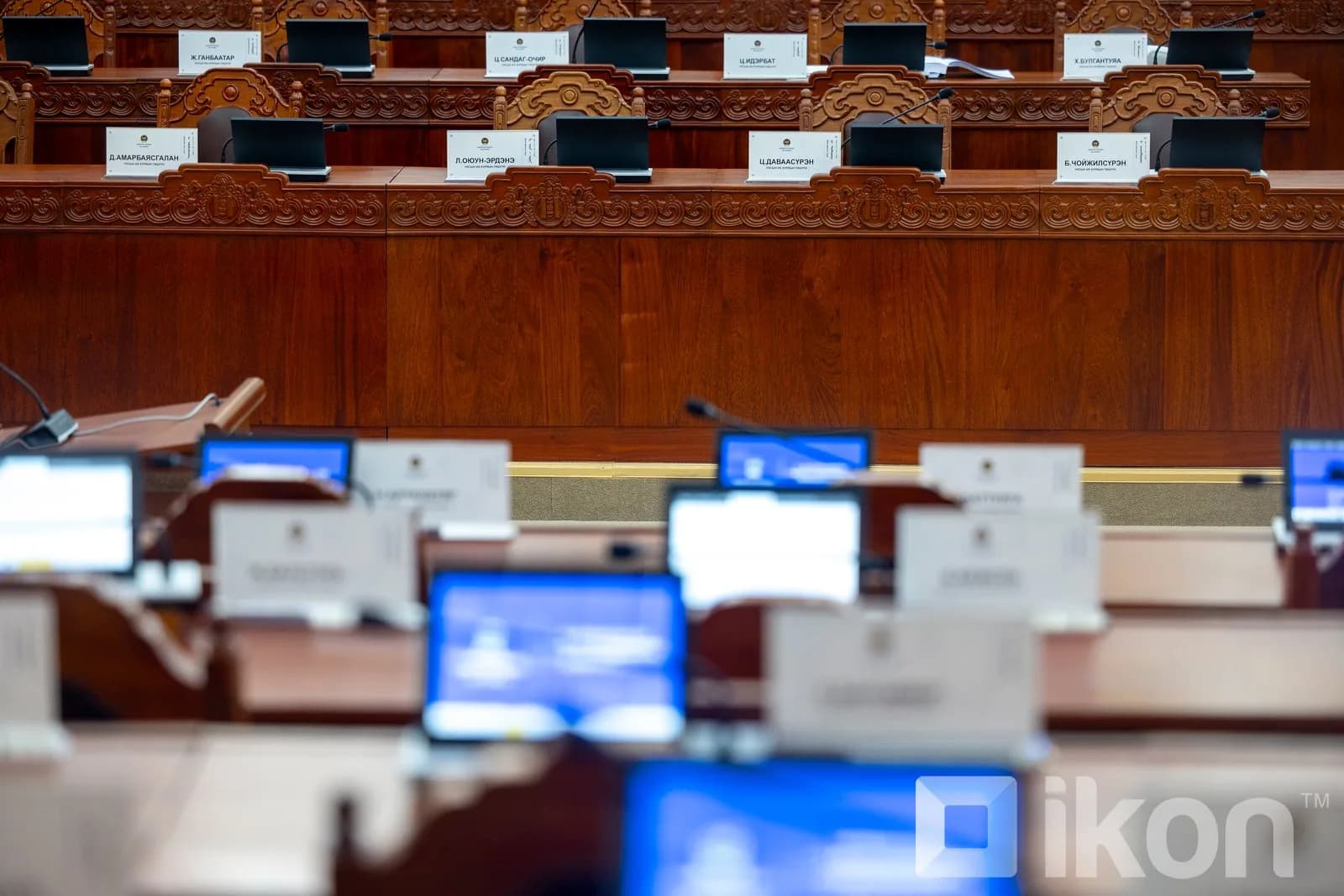
Statistics law bill reaches the State Great Khural as MP Enkhtuvshin calls the draft flawed
A revised Statistics Law sponsored by MP A. Ariunzaya is on today’s agenda for a whether-to-discuss debate; UBN quoted MP D. Enkhtuvshin calling the draft full of mistakes.
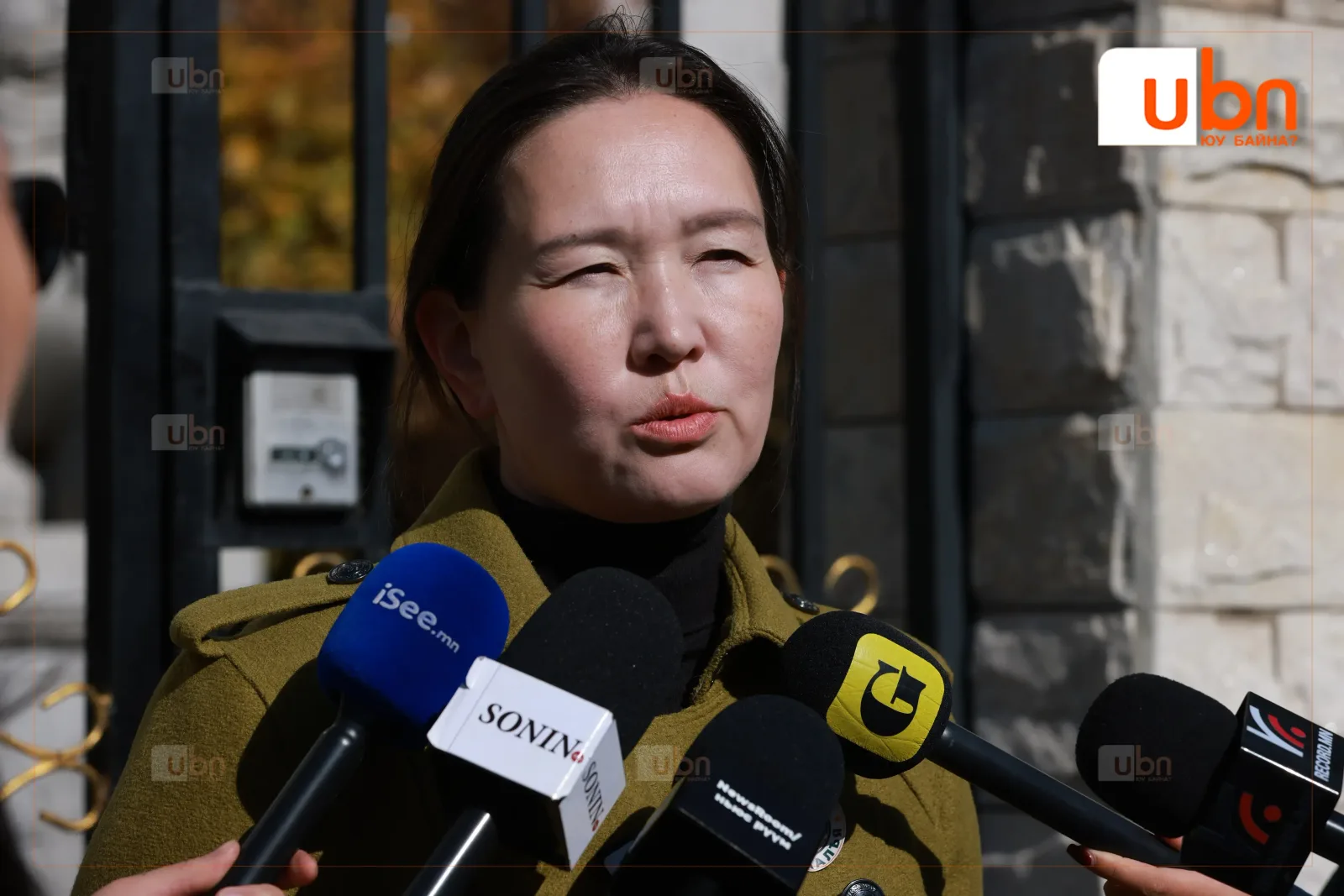
G. Uyanga at ACAA entrance demands Interpol hunt for H. Nyambaatar as a violation case proceeds
Citizen G. Uyanga called today at the Anti-Corruption Agency for former mayor H. Nyambaatar to be sought through Interpol; outlets report a violation case against her.

Mopeds and scooters remain 18+ as traffic police clarify new rule for 10–16-year-olds
After Minister G. Temuulen presented Traffic Rules changes, traffic police said 10–16-year-olds may ride only ordinary bicycles on pavements, while mopeds and scooters stay restricted to adults.
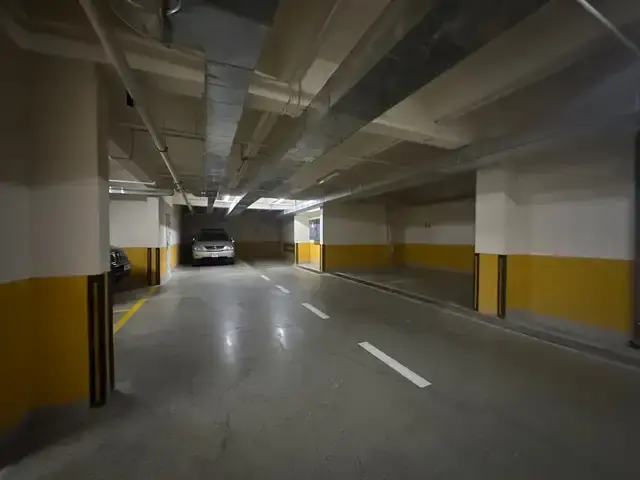
About 27,500 sign petition to scrap Mongolia’s household garage property tax
A petition by lawyer O. Batkhuu to exempt one family garage from real-estate tax has drawn about 27,500 signatures, Unuudur.mn reports; supporters can sign on e-zasag.mn.
US scientists grow better perovskite crystals, boost solar cell efficiency to 26%
Researchers have developed a new method to improve the efficiency and durability of perovskite solar...

Arizona’s massive new solar project will supply 90% of its output to Tesla
ContourGlobal has announced a 509-megawatt solar power plant with a massive battery storage system as...