
Scientists create ‘lifelike’ hydrogel that reshapes for weeks after one light flash
A single exposure to near-infrared light can set off chemical reactions that continue for up...
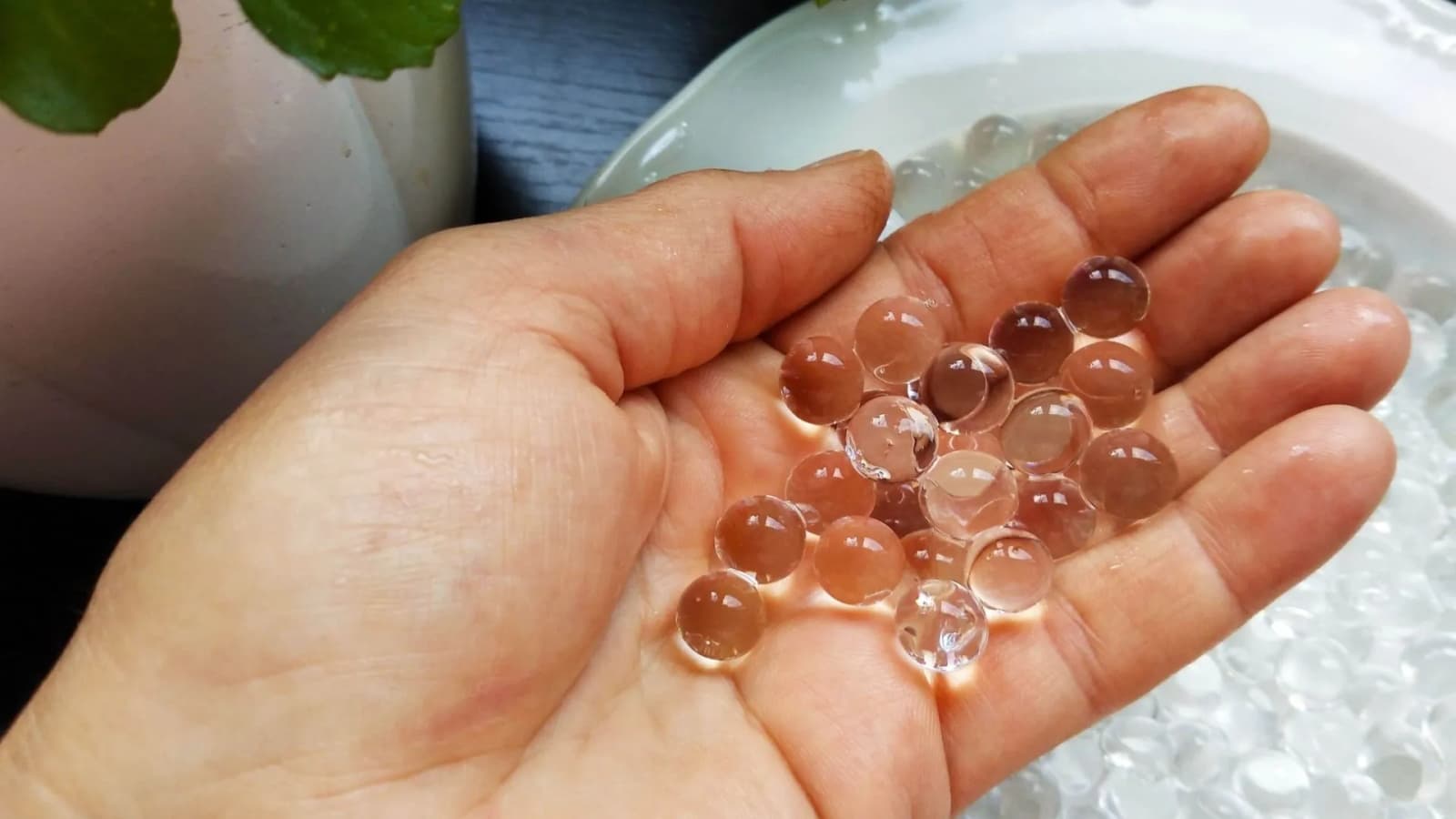
A single exposure to near-infrared light can set off chemical reactions that continue for up to four weeks in a new shape-changing hydrogel developed by researchers in China.
The team created the material to mimic slow biological transformations, including wound repair and embryonic development.
Their system, called STERS, uses gallium-based liquid metal particles to sustain reactions that gradually reshape the gel, offering a possible platform for adaptive tissue scaffolds, brain-machine interfaces and soft robotics.
The research includes laboratory demonstrations involving stem cells and an electrode used to monitor electrical signals during rat embryo development.
Taking inspiration from slow biological changes
Du Xuemin, a study author and professor at the Chinese Academy of Sciences’ Shenzhen Institutes of Advanced Technology, has drawn inspiration from organisms such as sensitive plants and chameleons in his smart-materials research.
He said shape-changing materials had advanced rapidly, with some transformations now occurring within milliseconds. However, slower biological processes presented a different challenge.
“I realized that while organisms undergo rapid shape changes, they also undergo slow long-term evolutionary transformations,” he said, pointing to wound repair and embryonic development.
Tissue-engineering scaffolds often carry active substances to support healing. Du noted that existing materials either changed too quickly or could not morph.
“So I wondered if we could mimic these slower morphological transformation processes in nature to construct slow, shape-morphing materials,” he said.
Liquid metal sustains the reactions
STERS stands for Spatiotemporally Evolving Reactive Species. The system combines gallium-based liquid metal particles with vinyl monomers, which help drive reactive-species production and hydrogel polymerization.
Near-infrared light activates the process. The liquid metal then sustains reactive-species generation through repeated cycles of surface oxidation and oxide-layer removal.
Removing that layer exposes the metal again, allowing the reaction to continue. This provides the chemical activity needed for the hydrogel’s structure to evolve over time.
“This novel approach enables programmable, lifelike morphological evolution in hydrogels, spanning microscopic to macroscopic scales, minutes to weeks, and single to multiple transformation cycles,” the team said in its paper.
The researchers also created a hydrogel that gradually changes color over a month, demonstrating its potential as a long-term visual indicator.
Tissue tests and remaining hurdles
The team used the hydrogels to guide stem-cell differentiation into bone and neural-like cells.
“Furthermore, we modified the surface of a brain-machine interface electrode with this material to monitor how electrical signals evolve during rat embryo development,” Du said.
The material’s transformation rate and magnitude can be adjusted to match changes in the developing embryonic brain, according to the researchers.
Biological safety remains a concern because liquid metals can damage tissue. Du said the team used a sandwich structure to encapsulate the material and prevent leakage into surrounding tissue.
Clinical applications still face several hurdles, including matching transformations to specific tissues, achieving slower shape changes, and controlling the process on demand through external stimuli.
For now, Du said the system is suited to sensing and laboratory demonstrations in tissue engineering and brain-machine interfaces.
The research was published in the journal Matter.
Source: https://interestingengineering.com/innovation/scientists-create-lifelike-gel-that-reshapes
Related articles
UK advances design for the next-generation STEP fusion plant to boost efficiency
For a long time, fusion energy has been dogged by a persistent cliché — always...


China’s ‘artificial sun’ advances as BEST nuclear fusion reactor passes halfway mark
A major engineering site dedicated to nuclear fusion has opened in eastern China. The project...

Chinese tokamak achieves hydrogen-boron fusion with 100 million reactions a second
A clean energy firm in China has just achieved hydrogen-boron fusion reactions in the EXL-50U...
Natural hydrogen reservoirs could be used for underground storage, study suggests
Transitioning the world to zero-carbon energy requires storing vast amounts of hydrogen. A new study...