
The planetary wave headed for California isn’t what you think it is
A rather strong "planetary wave" recently slammed into South America and is making its way toward California.

An aerial view of equipment moving fresh sand during an emergency replenishment project along eroding shoreline at North Beach on August 15th, 2024, in San Clemente, California. | Photo: Getty Images
A rather strong "planetary wave" recently slammed into South America and is making its way toward California. In case you're worried about headlines warning of the supposedly "freak" phenomenon "bringing trouble," it's worth understanding what this wave really is and isn't.
Called a Kelvin wave, it's carrying warm water to the Americas that's typically trapped farther west. That's raising sea levels along already vulnerable coastlines. These kinds of waves are common. When they do arrive, they can exacerbate existing problems. And this particular Kelvin wave could have more dramatic consequences than usual.
But "If you're going to be out …
Related articles
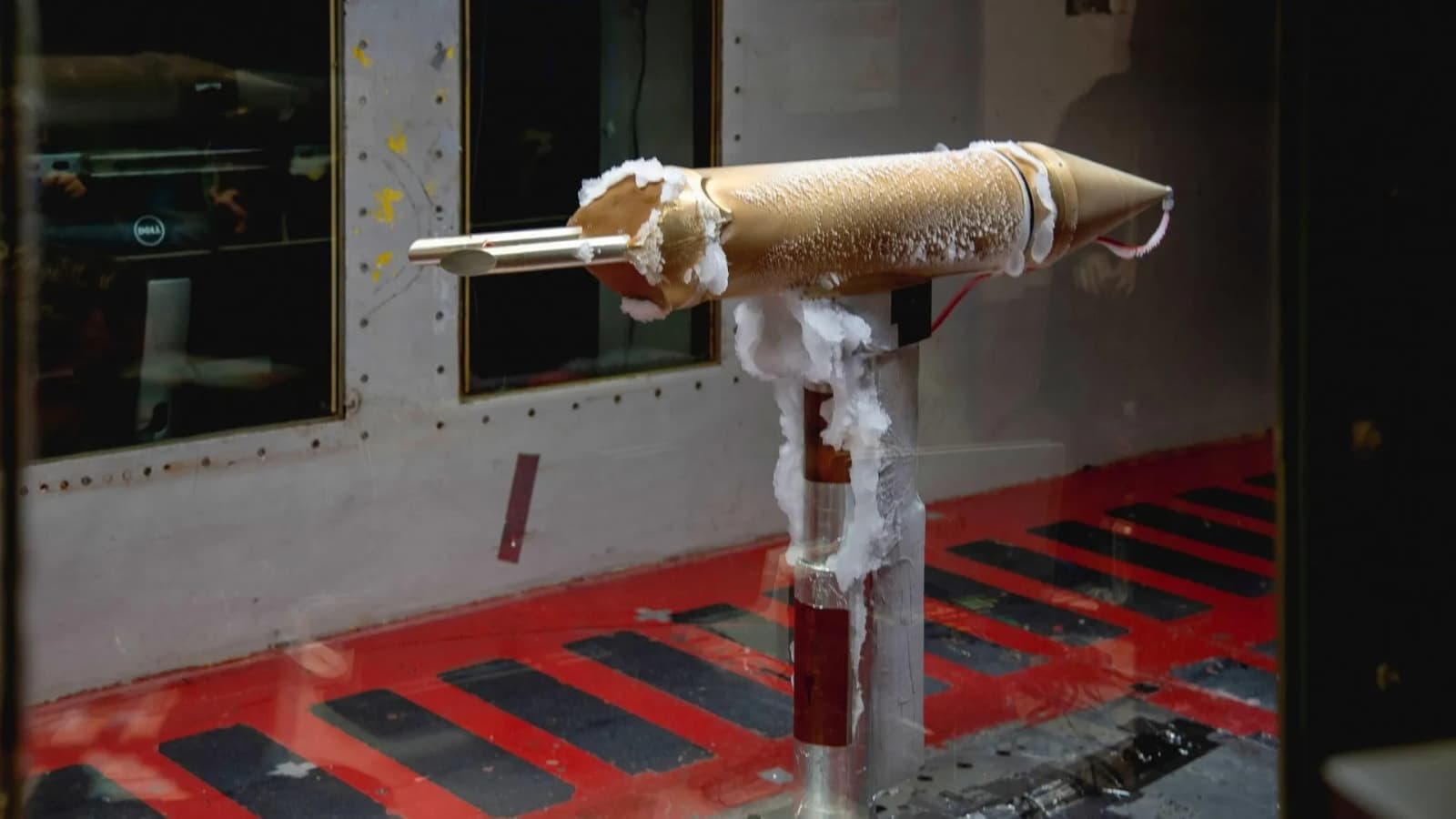
NASA tests new tools to detect 2,000-micron drops that bypass aircraft ice protections
Somewhere between an ordinary cloud and a rain shower lives a hazard that aviation engineers...
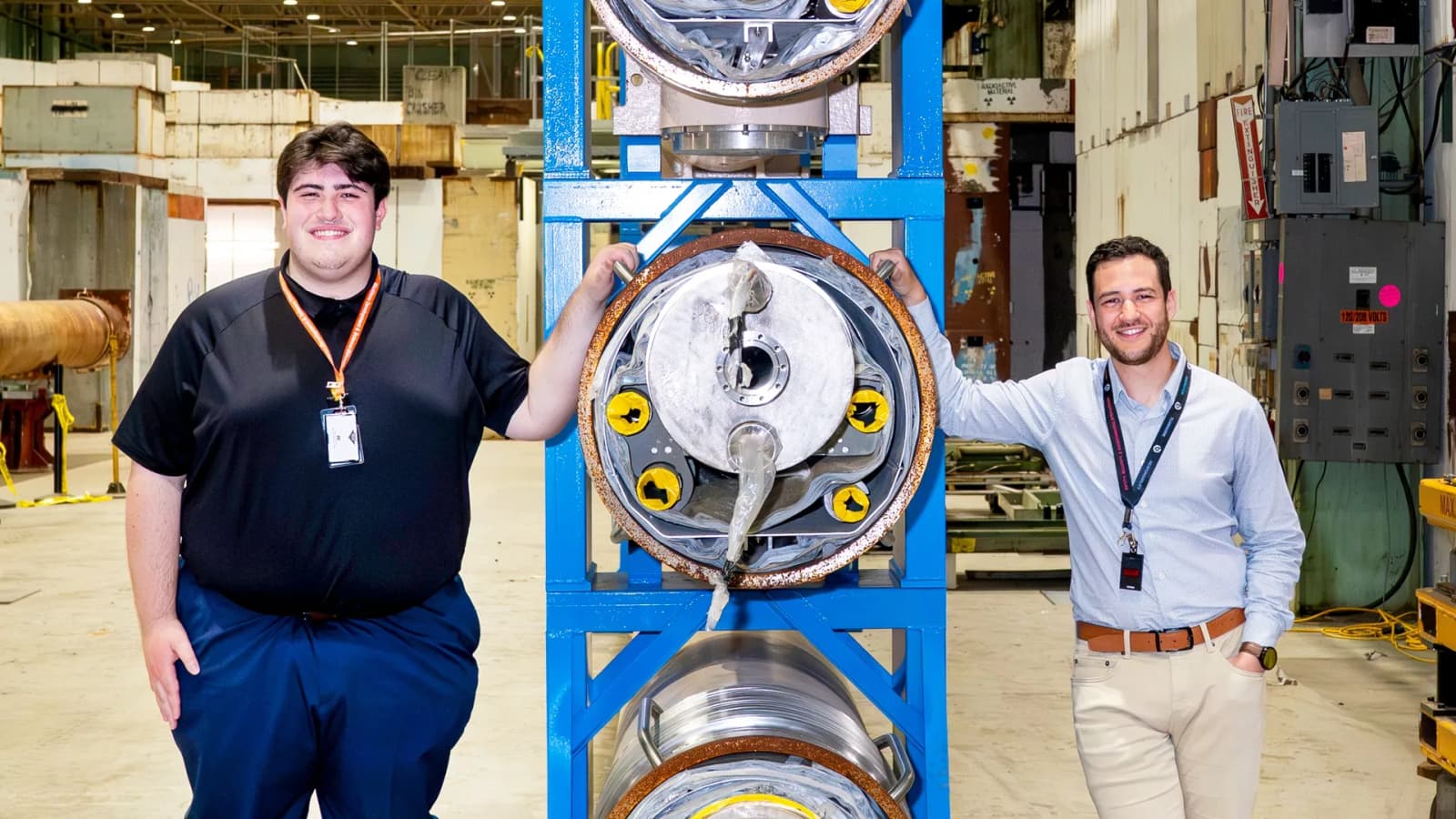
World’s first electron-ion collider receives 45,000-pound magnet storage stands
A US student has designed massive storage stands that are capable of supporting up to...

Astronomers find first second-generation planet formed from white dwarf’s own ashes
Astronomers have identified the first second-generation planet around a white dwarf, a world that appears...
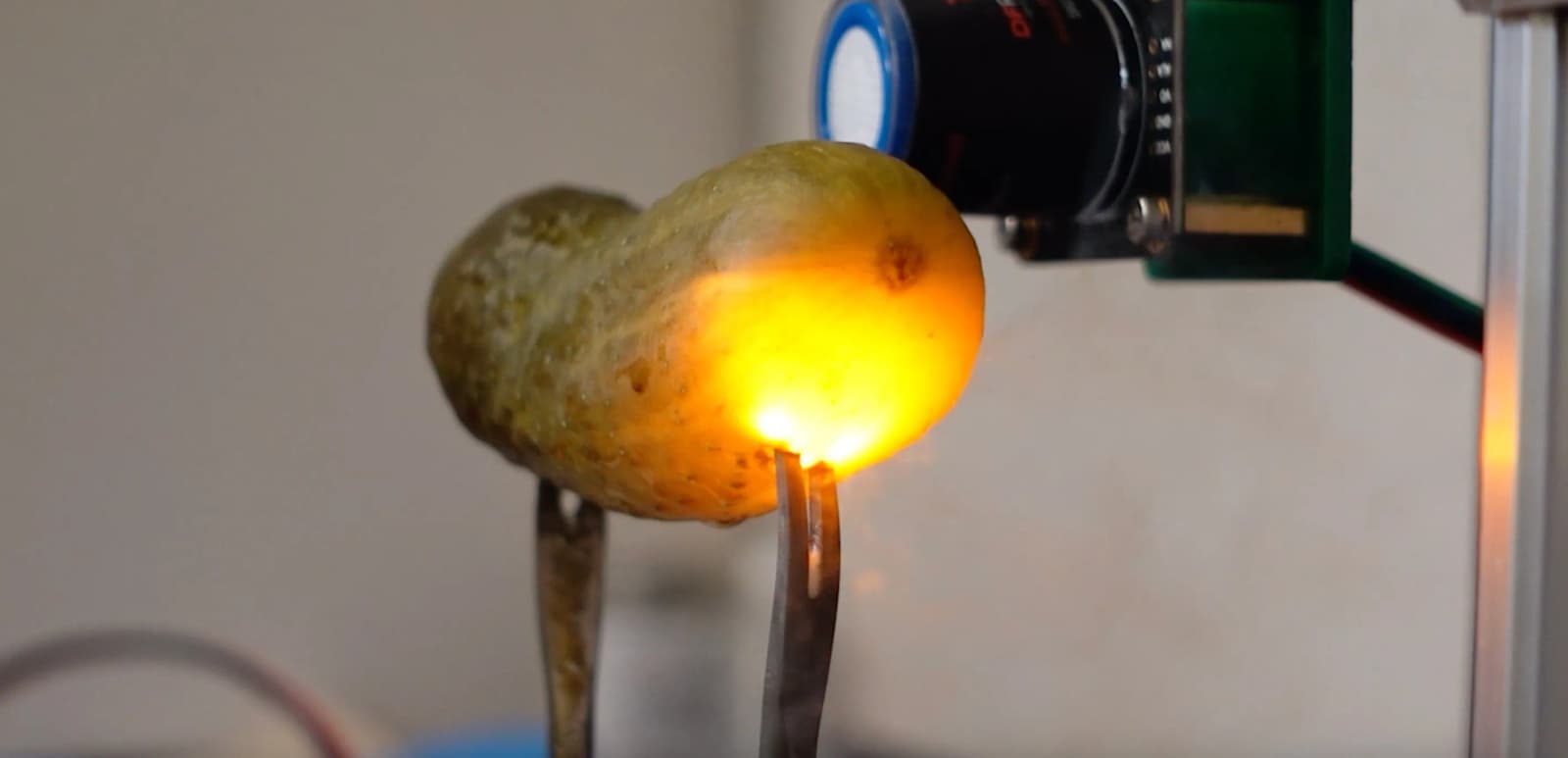
Why plugged-in pickle glows: Engineer burns 100-plus pickles to find answer
A classic classroom demonstration has long puzzled scientists, and a Portland State University engineer now...
Scientists make progress in quantum communication, make 90% identical photons
Researchers from the universities of Basel, Ruhr, and Paderborn teamed up to make a major...

Oregon State’s new MOF turns light and water into hydrogen with no added metal catalyst
Researchers at Oregon State University have created a new class of light-activated materials that can...