US defense agency backs autonomously-controlled nuclear reactors for space missions
The United States has taken a major step to advance autonomous reactor operation for national...
This story was prepared automatically by software.
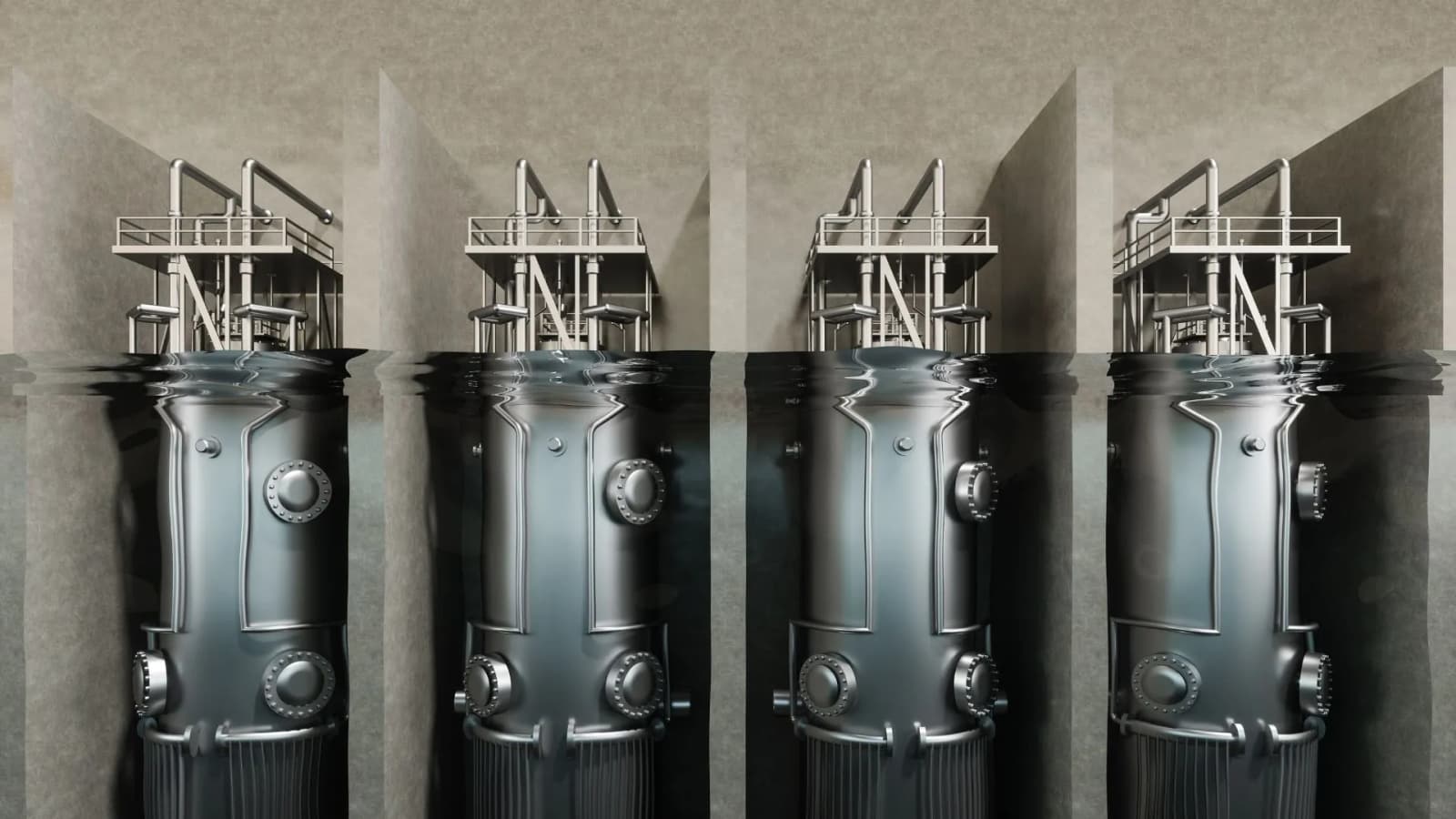
The United States has taken a major step to advance autonomous reactor operation for national security missions.
For this, the Defense Advanced Research Projects Agency (DARPA) has awarded Space Nuclear Power Corporation (SpaceNukes) an Other Transaction Agreement (OTA) under the Fast Capacitance (Fat Cat) program.
The contract supports development and ground testing of advanced reactor control technologies that extend the demonstrated capability of American nuclear power.
Sustained nuclear development
The award extends a continuous line of nuclear power development and builds directly on SpaceNukes’ successful nuclear power demonstration heritage.
“This award recognizes the maturity and continuity of the team that designed, built, and tested KRUSTY in 2018,” said Patrick McClure, COO of SpaceNukes.
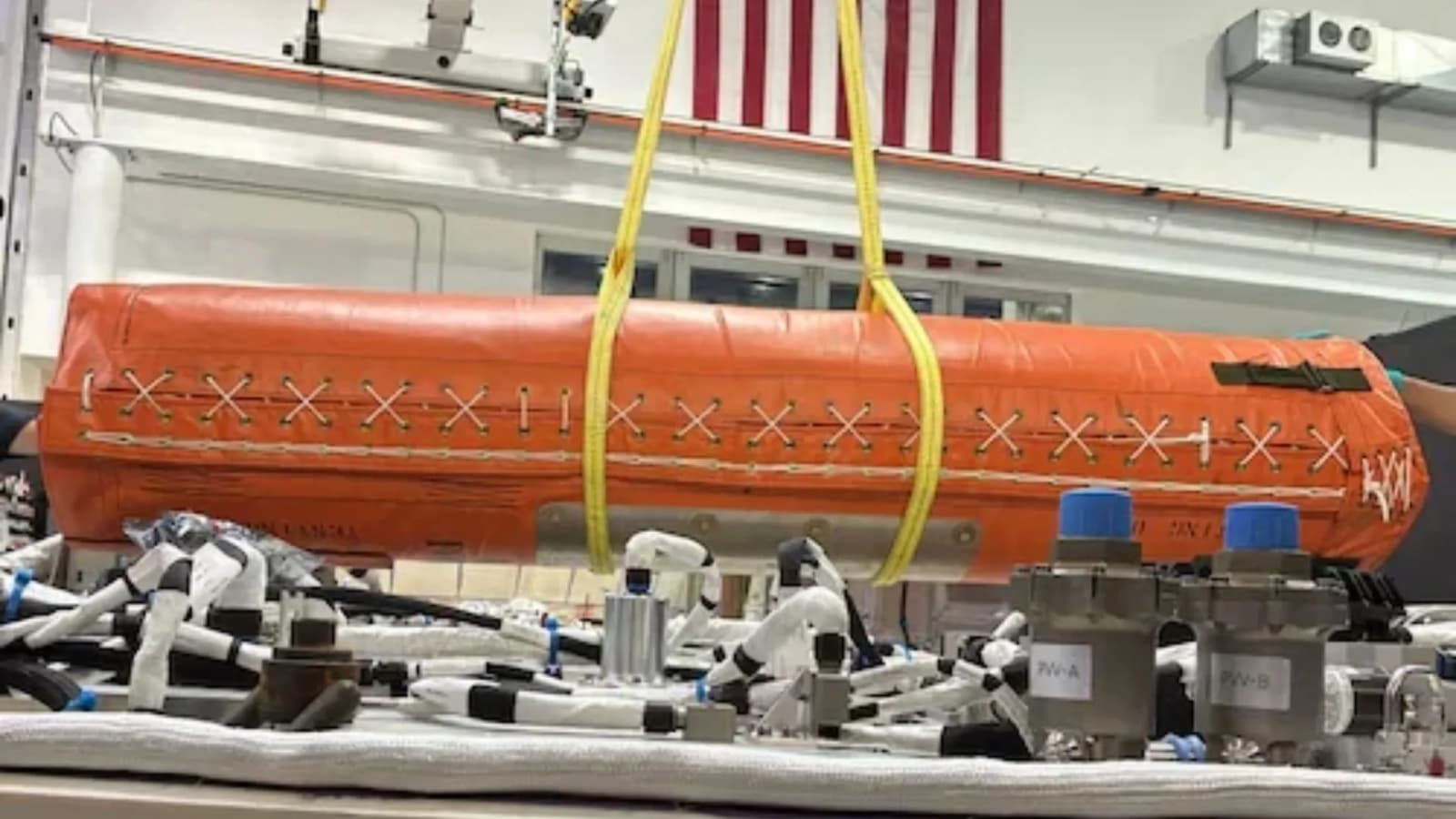
In 2018, key members of the SpaceNukes team, while employed by Los Alamos National Laboratory and NASA, performed the foundational Kilopower Reactor Using Stirling Technology (KRUSTY) work — conducting the only full-power ground test of a new American space reactor in five decades.
“We are proud to work alongside Dr. Dodson and Los Alamos National Laboratory to deliver the next demonstrated step in American nuclear power.”
Under the current agreement, SpaceNukes and Los Alamos National Laboratory will design, build, and conduct a follow-on nuclear ground test of a Kilopower reactor incorporating active control rod operation—an advancement beyond the passively controlled architecture demonstrated in the 2018 KRUSTY test. The Fat Cat program seeks to advance autonomous reactor operation for national security missions, according to a press release.
Towards autonomous reactor control
The phased program structure includes design, procurement, and integration gates leading to the ground demonstration, producing both nuclear-tested hardware and the engineering basis for autonomous, actively-controlled reactor operation.
Integration work will be conducted at SpaceNukes’ workshop in Medina, Ohio, led by Chief Engineer Marc Gibson. The work positions American industry to provide reliable nuclear power across a broader range of mission profiles, including those requiring dynamic power management and rapid response under varying operational conditions, according to the press statement.
“There is no substitute for demonstrated technology when American national security objectives are at stake,” said Andy Phelps, CEO of SpaceNukes. “This award lets us advance the work begun in the KRUSTY program and bring another tested capability forward for the nation.”
The technology could have important applications in space exploration, including providing electricity for future Moon bases, scientific instruments and long-duration space missions.
Nuclear power can also be useful in locations where sunlight is limited or where solar panels alone may not provide a sufficiently reliable supply of energy. Similar systems could potentially support remote facilities and certain defense applications that require dependable power. However, these are potential applications of the technology rather than confirmation that this specific reactor is ready for operational use.
The project is significant because it aims to move beyond demonstrating a small nuclear reactor toward developing a more advanced system capable of actively controlling its own operation. The next steps involve developing the design, integrating the necessary components and conducting ground tests to evaluate the controller’s performance.
Source: https://interestingengineering.com/energy/us-defense-backs-autonomously-controlled-nuclear-reactors
Related articles