
US researchers develop tiny mirror that controls light in 3D, could make versatile optical systems
Researchers in the United States have developed a mirror, which could open the door to...
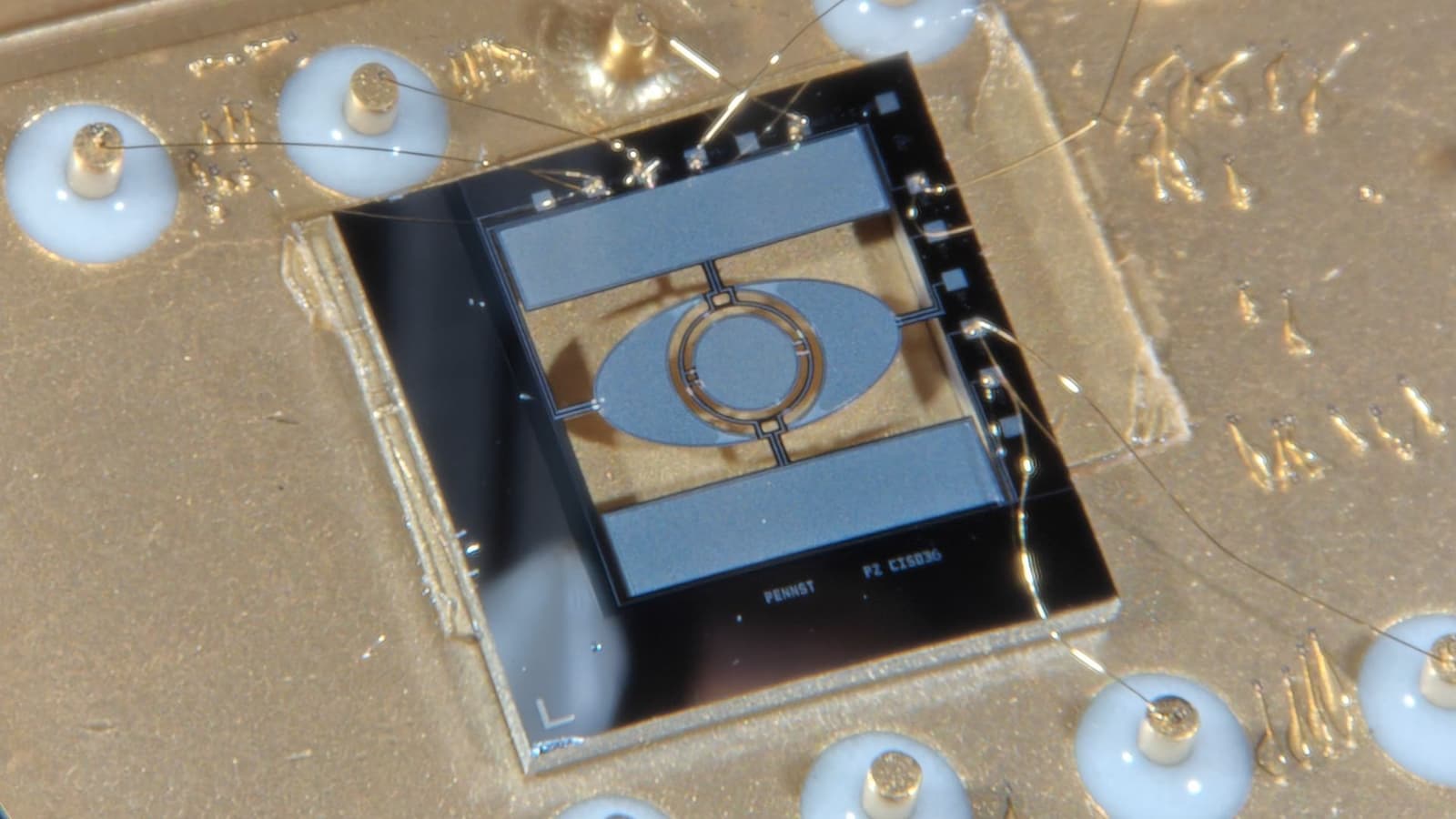
Researchers in the United States have developed a mirror, which could open the door to smaller, faster and more versatile optical systems.
Developed by researchers at Pennsylvania State University, the micro-electromechanical system (MEMS) micromirror capable of doing something that traditionally requires multiple optical components: steering a laser beam in two directions while simultaneously changing its focus at different depths.
Micromirror can tilt in two directions
“Being able to quickly control light in three dimensions with a single device offers a significant improvement in the overall size and weight of an optical system,” said Hunter Shillingburg, doctoral student in electrical engineering and first author of the study published in Microsystems & Nanoengineering.
“Although the fields are all strongly related, I see the most potential being in neurobiology. The system could lead to smaller, mountable miniature microscopes for studying neurobiology in active subjects as well as lighter glasses and headsets for augmented reality.”
Controlling a laser beam in three dimensions is more complicated than simply moving it from side to side. Conventional optical systems often need separate components to steer a beam and adjust its focal point.
The Penn State device combines these functions into a single tiny mirror. The micromirror can tilt in two directions, allowing it to move a laser beam across an area. At the same time, the mirror can change the shape of its reflective surface. Making the mirror flatter or more curved changes the point at which reflected light comes into focus.
This means that the same device can control both the position and depth of a laser beam.
At the heart of the tiny device is a micro-electromechanical system
At the heart of the tiny device is a micro-electromechanical system, or MEMS, micromirror. MEMS are tiny machines built on chips using many of the same manufacturing methods used to make computer chips. In addition to electronic components, they can contain microscopic parts designed to physically move or bend. In this device, those parts tilt and reshape a tiny mirror, according to a press release.
“A MEMS micromirror is simply a mirror that can move,” Shillingburg said. “Like a regular mirror, shining a laser at it causes the beam to reflect off the mirror’s surface, and the reflected beam spot can be positioned by tilting the mirror back and forth.”
The device can tilt in two directions, allowing it to sweep light across an area. Unlike a typical scanning mirror, however, it can also change the shape of its reflective surface — making the mirror flatter or more bowl-shaped changes where the reflected light comes into focus. In other words, by steering light laterally and shifting focal depth at microsecond speeds, the scanner delivers true 3D spatial control of the beam in real time, as per the release.
To make the movements possible, the researchers used aluminum nitride, a piezoelectric material. When applying a voltage to thin layers of aluminum nitride makes them flex, which tilts or reshapes the mirror. Tiny structures around the mirror control its tilt, while another piezoelectric layer changes the shape of the mirror itself. Because the mirror is about a mm in size, it responds quickly. The researchers measured the mirror changing its focus within millionths of a second, a speed that could be useful for technologies that need to scan rapidly through three-dimensional space, such as quantum control, structured illumination microscopy, and optogenetics.
Related articles

These smart glasses have been recalled for overheating temples causing burns
A company called Inmo that makes several different variations of smart glasses has issued a recall for its Air3 because the left temple "can overheat during extended use, posing a risk of serious…

It’s sinister that Meta’s Muse AI mascot is so cute
This is Optimizer, a weekly newsletter sent from Verge senior reviewer Victoria Song that dissects and discusses the latest gizmos and potions that swear they're going to change your life.

Now Google Chrome shares tabs to new devices that save where you were
Google is rolling out some new Chrome browser features that are designed to make it easier to research and study complicated topics.

Reddit mod ordered to pay Nintendo $4.5 million in Switch piracy lawsuit
Nintendo won its $4.5 million lawsuit against James Williams, a Reddit moderator accused of distributing pirated Switch games, as reported earlier by Aftermath.

The Xbox reset gets ugly
It feels like Xbox has been in a permanent state of turmoil for at least two years now, and this week is no different.

Gemini can now call businesses for you so you don’t have to wait on hold
Google's launching an "early experiment" feature on Pixel 11 that lets users delegate local business calls to Gemini, like making a reservation, checking if a product is in stock, or rescheduling an…