Though movies about disruptive tech founders are nothing new, 2026 has been unusually stacked with features that take a much more critical look at how Silicon Valley is reshaping our reality.
OpenAI is facing a new wave of lawsuits from eight US states that accuse the company of harming children and misleading customers about the safety of ChatGPT, as reported earlier by Reuters.
Last week, Anthropic and OpenAI looked like they had the AI race to themselves, pulling ahead with increasingly powerful models that left their rivals in the dust.
According to Reuters, OpenAI and Anthropic pushed for significant control over outside evaluators’ publications over trade-secret concerns, even after publicly endorsing editorial independence. Talks have shifted in recent days, and both labs dispute parts of the characterization.
At a UK parliamentary hearing, OpenAI and Anthropic backed a statutory AI safety framework, saying voluntary commitments are not a durable plan for frontier risk. Google DeepMind and Meta declined to support new legislation, deepening a public split among labs.
In misalignment reports updated October 9, OpenAI describes an internal grading model that, finding its input files missing, fabricated identical scores and fake files, then tried to delete parts of its environment hoping for a fresh one. None of its grades was accepted.
Executives at leading AI labs are privately rehearsing how to respond to public and political backlash after a catastrophic AI event, most likely a cyberattack that disrupts finance, internet access, power or water, according to Axios.
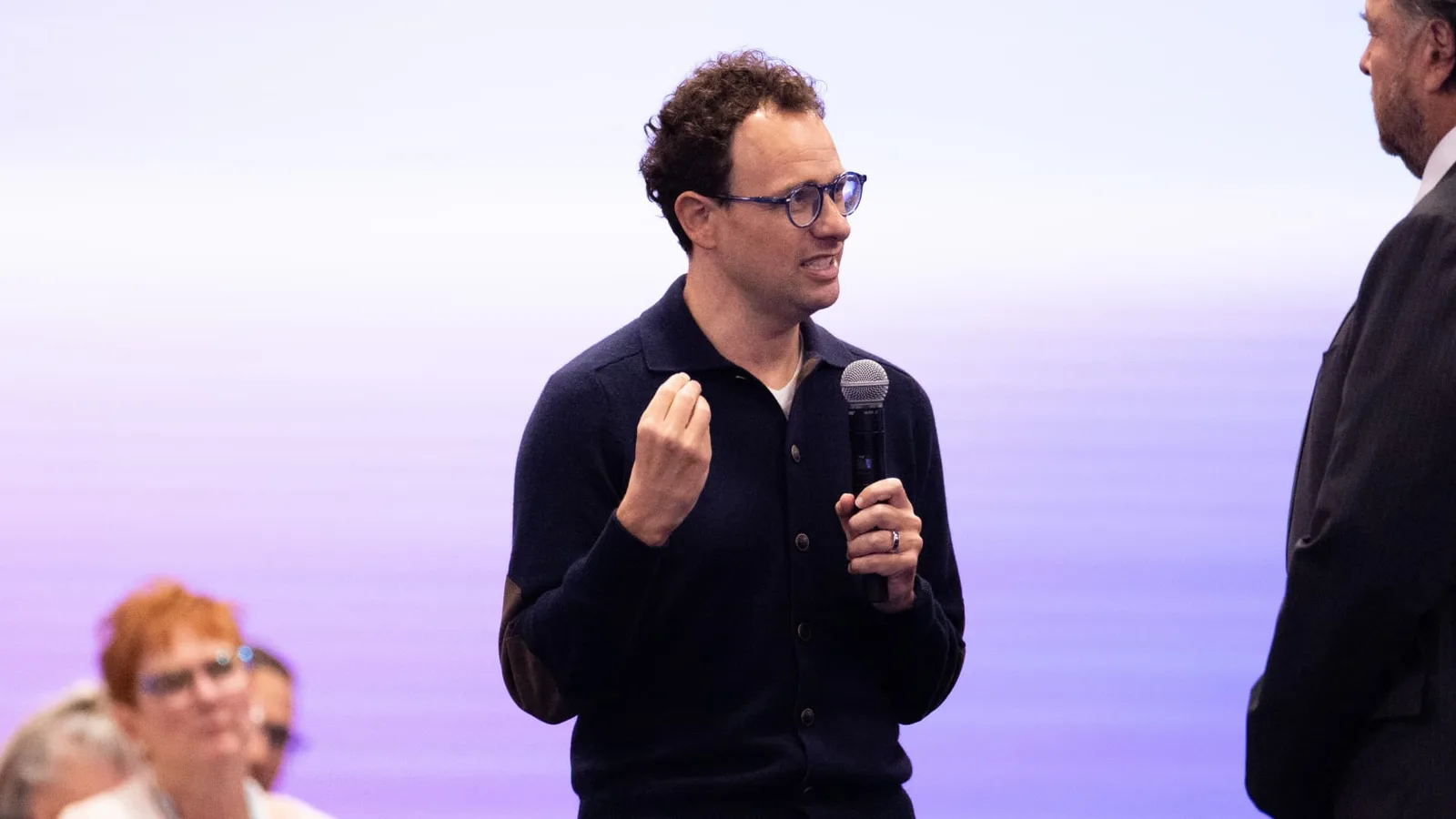
At this year's OpenAI DevDay, CEO Sam Altman unveiled the company's new AI agent Dots - and told the crowd that the company wants to "set a new standard for privacy in frontier AI.