
10 dinosaurs that once lived in Antarctica, from predators to giant herbivores
Antarctica may look like one of the least likely places to find dinosaurs, but the...
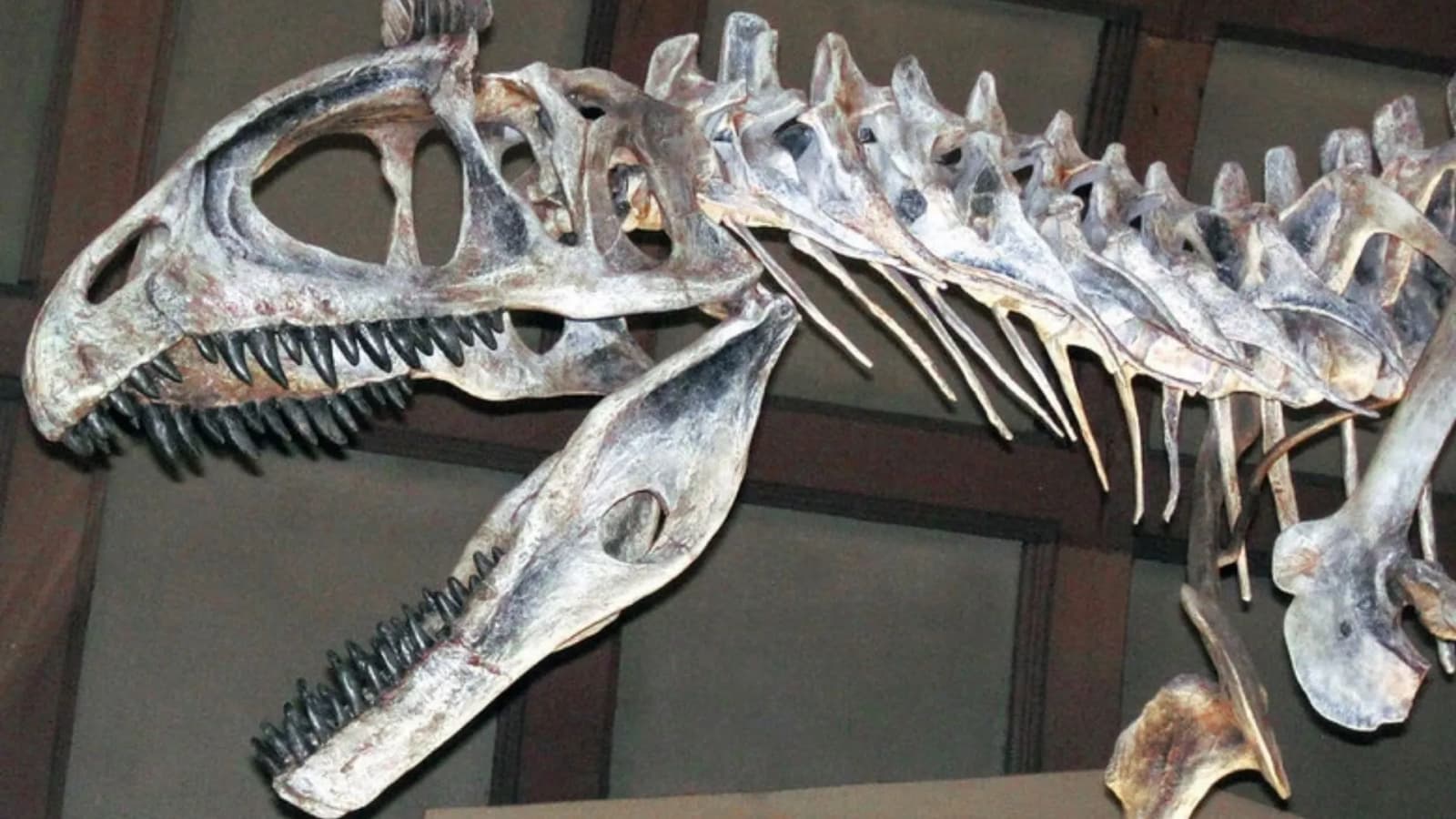
Antarctica may look like one of the least likely places to find dinosaurs, but the continent was far different during the Mesozoic. When these animals lived there, Antarctica was part of larger southern landmasses and supported forests and other ecosystems despite its extreme seasonal light conditions.
The Antarctic dinosaur fossil record remains exceptionally sparse, but researchers have identified several named species, along with a number of unnamed dinosaur fossils. Here are 10 dinosaurs and scientifically documented dinosaur finds that once inhabited what is now Antarctica.
1. Cryolophosaurus
One of Antarctica’s best-known dinosaurs, Cryolophosaurus ellioti was a meat-eating theropod that lived during the Early Jurassic. Fossil finds from the Hanson Formation of the Transantarctic Mountains include a remarkably complete skull and partial skeleton. Its most distinctive feature was a curved bony crest on its skull.
2. Glacialisaurus
Glacialisaurus hammeri was a plant-eating sauropodomorph from the Early Jurassic Hanson Formation. Researchers described it from a partial femur and articulated foot bones discovered at Mount Kirkpatrick. Its anatomy shows it was a relatively early member of the sauropodomorph lineage that eventually produced the enormous long-necked sauropods.
3. Antarctopelta
Antarctopelta oliveroi was an armored dinosaur that lived in Antarctica during the Late Cretaceous. Its fossils were recovered from James Ross Island and include armor plates and other skeletal material. Studies of its bones indicate cyclical growth and suggest this ankylosaur could live in a strongly seasonal, high-latitude environment.
4. Trinisaura
Trinisaura santamartaensis was a small ornithopod discovered on James Ross Island. Described in 2013, it lived during the Campanian stage of the Late Cretaceous. Its partial skeleton includes vertebrae and limb bones, and its anatomy links it with several small-bodied ornithopods from southern South America.
5. Morrosaurus
Morrosaurus antarcticus was another Antarctic ornithopod, described from the Maastrichtian-aged Snow Hill Island Formation on James Ross Island. It was a medium-sized herbivore known from a fragmentary hind limb. Its anatomy places it within a group of Southern Hemisphere ornithopods that also included relatives from Patagonia and Australia.
6. Imperobator
Imperobator antarcticus was a predatory paravian dinosaur from the Late Cretaceous of James Ross Island. Researchers initially considered its fossils to represent a dromaeosaur, but later work described Imperobator as a distinctive early-diverging paravian. The animal is known primarily from fragmentary foot bones and other remains.
7. Vegavis
Vegavis iaai was an avian dinosaur that lived in Antarctica near the end of the Cretaceous, roughly 69–68 million years ago. It was a diving bird related to modern waterfowl and is one of the most important Cretaceous bird fossils known. A 2025 Nature study of a nearly complete skull provided further evidence for its placement among crown-group birds.
8. An Antarctic titanosaur
Researchers identified a fragmentary tail vertebra from James Ross Island as belonging to a titanosaurian sauropod. Described in 2026, the specimen represents a small-bodied eutitanosaurian individual estimated at roughly 6-7 meters long. The animal cannot be assigned to a species, but it provides evidence that titanosaurs lived in Antarctica during the Late Cretaceous.
9. An unnamed Antarctic hadrosaur
Antarctica also hosted hadrosaurid dinosaurs, although the known material is too fragmentary to assign to a named species. Researchers have recovered hadrosaur remains, including teeth, from Late Cretaceous deposits of the James Ross Basin. Their presence shows that duck-billed dinosaurs reached the high southern latitudes before the end-Cretaceous extinction.
10. An unnamed Antarctic dromaeosaur
Fossils from James Ross Island also point to the presence of dromaeosaur-like theropods in Late Cretaceous Antarctica. The material is too incomplete for a formal species name, but the 2019 synthesis of Antarctic dinosaur fossils includes an unnamed dromaeosaur among the continent’s dinosaur record. It adds another predatory lineage to an already surprisingly diverse polar ecosystem.
Antarctica’s dinosaur record is still incomplete
These fossils offer only a small glimpse of Antarctica’s ancient ecosystems. Researchers note that the continent has the sparsest Mesozoic dinosaur record of any continent, largely because most of its fossil-bearing rocks are buried beneath ice or are difficult to access. The remains that have been recovered, however, show that Antarctica once supported herbivores, armored dinosaurs, predators, sauropods, and early birds.
Source: https://interestingengineering.com/culture/10-dinosaurs-that-lived-in-antarctica
Related articles

US executive charged in massive $300M illicit scheme smuggling GPU servers to China
A California technology executive faces federal charges over an alleged scheme to move more than...

Amazon’s Carrie is a cyberbullying nightmare
Do we really need a new version of Carrie? That's the question that plagues any attempt to reimagine the classic horror tale.
Cockpit chaos: Flydubai Israel flight’s 14,000-ft plunge, hijack, stabbing explained
Flydubai Flight FZ1073 was supposed to make a routine trip from Dubai to Tel Aviv...
125-million-year-old fossil: Earliest true mammal ever built for swimming
Chinese and international researchers have identified a newly described mammal species that lived about 125...

Decap is the man behind the drums behind your favorite song
I don't think I'm going to hurt anyone's feelings by pointing out that Decap doesn't have the name recognition of Kendrick Lamar, Olivia Rodrigo, or Charli XCX.
Scientists use Pompeii’s exact eruption date to make volcano dating far more precise
Roman writer Pliny the Younger left behind the only firsthand account of Mount Vesuvius’ eruption...