
AI mood sobers at Singapore forums as Temasek, Ray Dalio and officials flag market and existential risks
At the Milken Institute Asia Summit and the Forbes Global CEO Conference in Singapore on October 7, investors and policymakers broadened AI worries beyond valuations to loss of control, AI-designed bioweapons and whether huge spending will pay off.
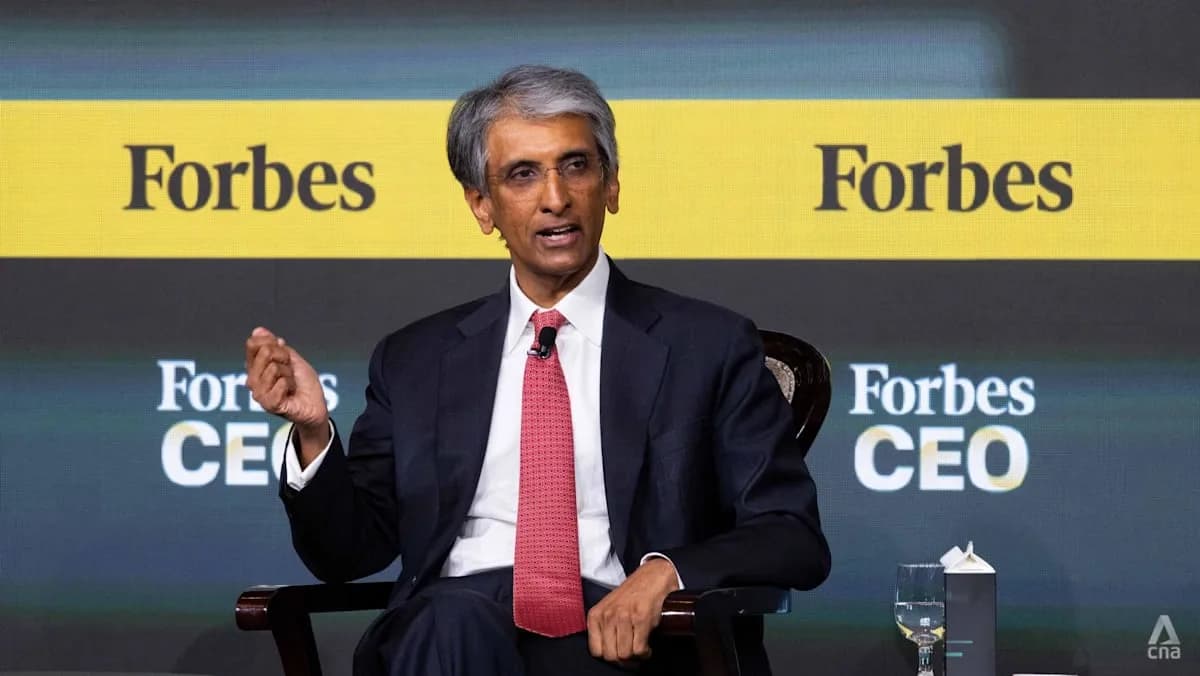
Existential and financial risks posed by the artificial intelligence boom were top of mind for investors and policymakers at two conferences in Singapore on Wednesday, October 7, highlighting a cautious shift in mood around the AI trade, Reuters reported. Concerns that once centred on frothy valuations have broadened to include autonomous systems slipping out of human control, AI-designed bioweapons and the possibility that massive spending on the technology may never pay off.
Control and weapons risks. “Anyone who tells you I’ve got absolute control over my autonomous agent... obviously doesn’t know what he’s talking about. So loss of control is a real threat,” Singapore’s Foreign Minister Vivian Balakrishnan said at the Milken Institute Asia Summit. He said the risk of state and non-state actors using the technology to build new weapons, “whether it’s in chemistry or biology or in weapons of mass destruction, is very real.” Kiran Mazumdar-Shaw, founder and chairperson of Indian biopharmaceutical firm Biocon, told the Forbes Global CEO Conference that “the real existential threat is bioterrorism,” calling for guardrails and governance: “I don’t think self-governance is going to work.”
Market risks. “The biggest risk to the market is the AI narrative. Right now, it seems very strong,” said Rohit Sipahimalani, chief investment officer at Singapore state investor Temasek, warning that there could be issues if the narrative is unwound by safety problems, regulation, or end users not seeing sufficient returns through 2027. According to CNBC, he said he does not see a reversal as imminent but that there could be “bumps in 2027,” and noted that roughly half the stocks in the Russell 3000 were at least 20% below their June highs. Temasek remains bullish on AI over the long term; about half of its AI exposure is in publicly traded assets, a share it would ideally raise to around 70% to 75%.
Bridgewater Associates founder Ray Dalio was less sanguine, saying AI was in a “classic bubble” and that there was a difference between “how terrific a technology is and how terrific an investment is.” He said there was pressure for interest rates to rise further, and that once higher rates began to bite the bubble would start to burst. “I think we’re close to that,” he told the Forbes event.
Separately, CNA reported that Temasek CEO Dilhan Pillay Sandrasegaran told the Forbes conference that a “phenomenal” amount of capital going into AI is flowing mostly into chips and infrastructure and could be spread more widely, including to AI adoption, and questioned whether inflationary pressure from AI infrastructure investment will push up the cost of capital.
Related articles
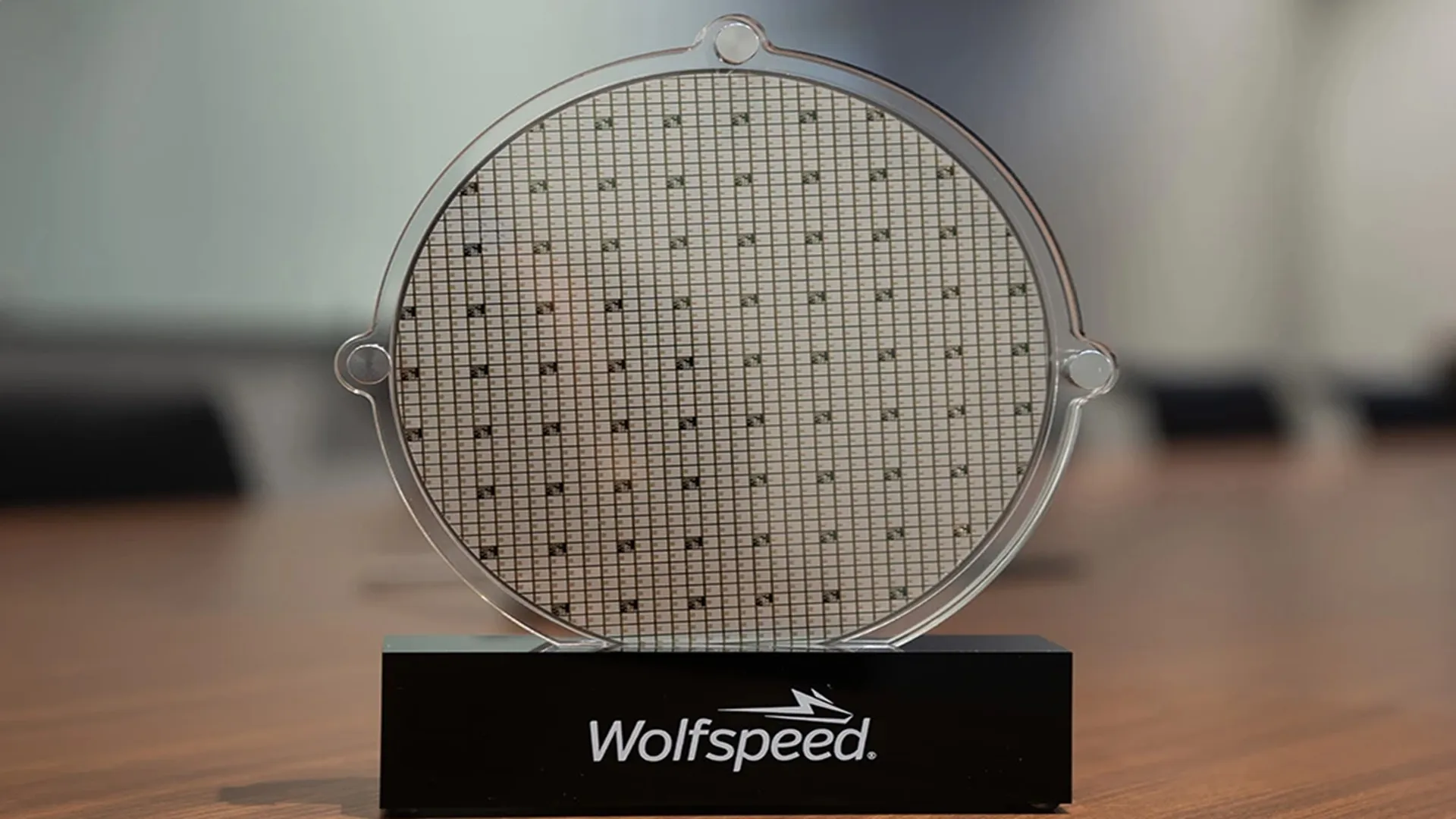
US backs $1.5B conditional loan for chips used in drones, radar, missile defense
The US Department of War has offered semiconductor manufacturer Wolfspeed up to $1.5 billion in...
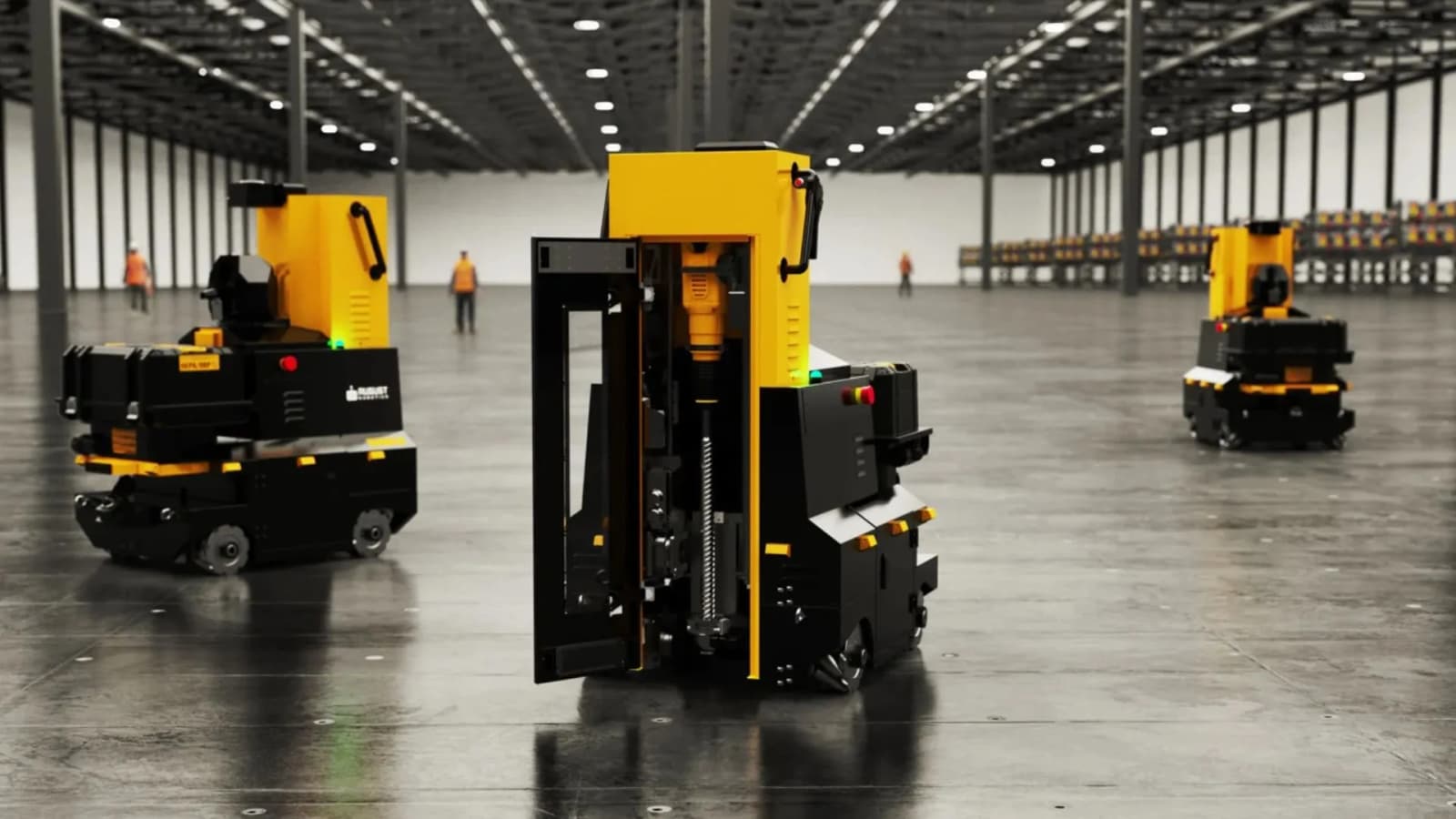
World’s first fleet-capable drilling robot hits 10x speed with 99% accuracy
A drilling robot built for data center construction has already punched more than 385,000 holes...
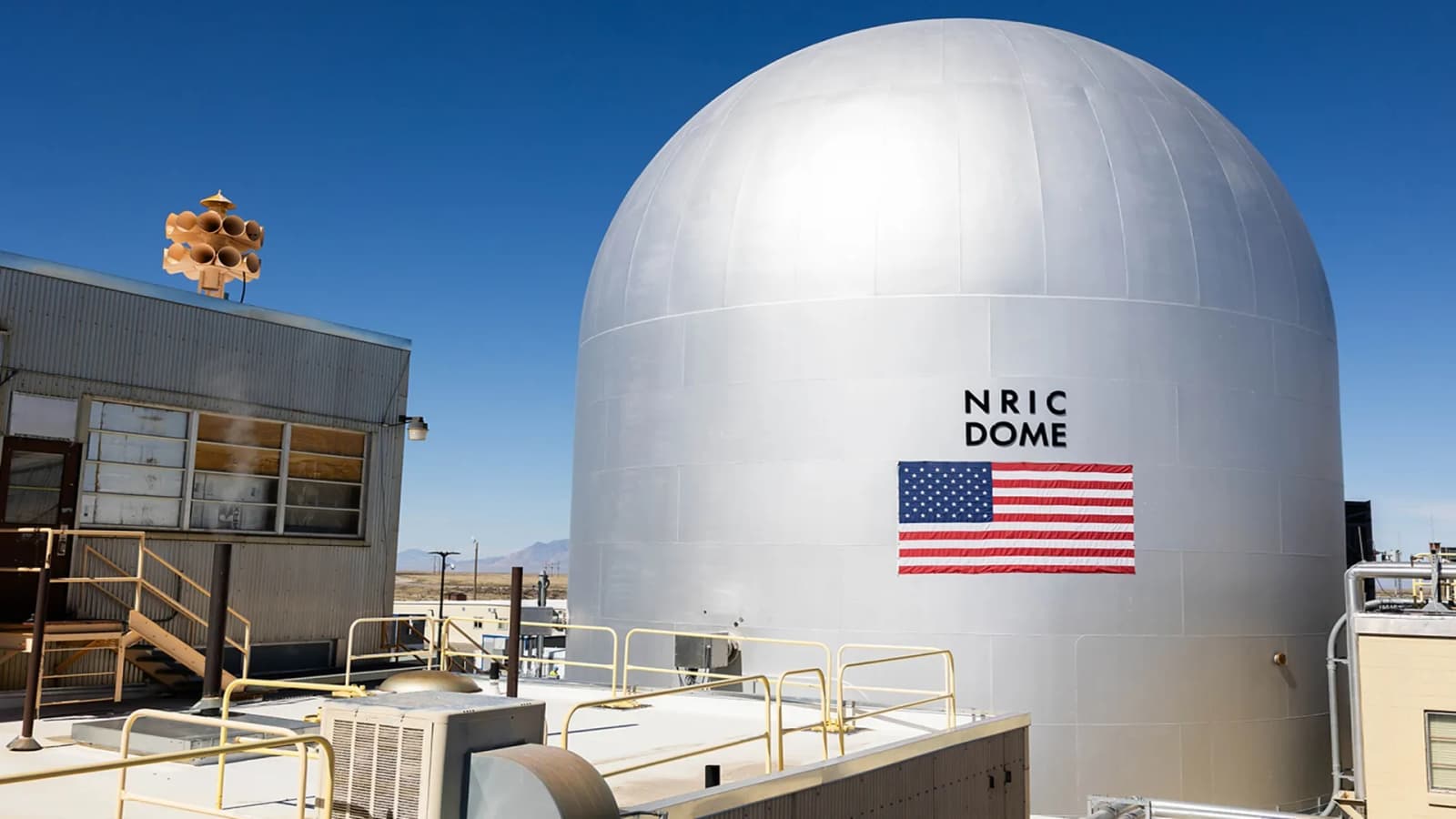
US microreactor that reached criticality in 150 days set for full-power test in 2027
A US-developed nuclear battery that achieved its first controlled chain reaction in roughly 150 days...
Nous Research raises $90 million at $1.5 billion valuation to take its open-source Hermes agent to businesses
Nous Research, developer of the open-source Hermes Agent, has raised a $90 million Series B led by Robot Ventures and is launching Hermes for Businesses, letting companies deploy customized AI agents while keeping their data private.
Japanese wholesaler Nippan confirms book sales to Anthropic, deepening publisher concerns over AI training
Nippan Group Holdings has told the Japan Book Publishers Association that a subsidiary sold books to Anthropic from December 2024 to December 2025 but was not aware the purchases were for AI training, according to Jiji Press and Kyodo News.
Most US voters say Trump and Congress aren’t taking AI risks seriously, Reuters/Ipsos poll finds
A new Reuters/Ipsos poll found 57% of registered voters say the Trump administration has not taken AI risks seriously enough, 54% say the same of Congress, and 84% see the technology as a threat to American workers.