
US Navy’s new booster uses modular design to support faster missile production
X-Bow Systems has won a potential $69.7 million agreement to develop a solid rocket motor...
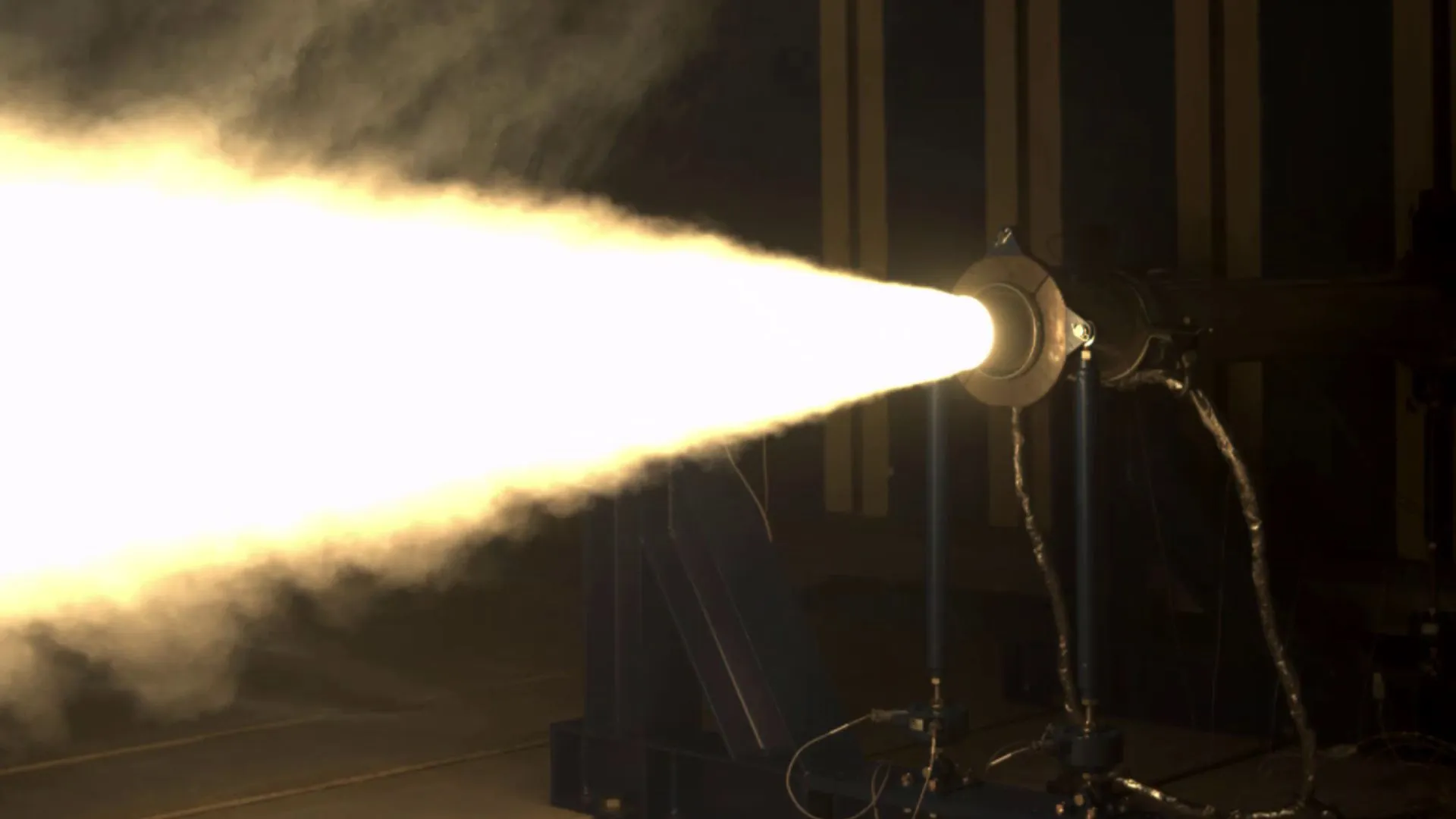
X-Bow Systems has won a potential $69.7 million agreement to develop a solid rocket motor booster for a future U.S. Navy weapon.
The propulsion developer will design, test, and qualify the motor under a two-phase program. The Navy plans to field an initial version of the weapon in early fiscal year 2031.
The award comes with $50.4 million for development and another $19.3 million qualification option. The government has obligated $50 million for the first 12 months of work.
Navy weapon gets booster
The motor will support a common architecture intended to replace single-purpose interceptors. Some versions could also carry more interceptors within each launch system.
That architecture puts the booster at the heart of a broader effort to increase the Navy’s missile capacity. X-Bow will conduct development work across facilities in California, New Mexico, and Texas.
The company will also establish production tooling at its Luling, Texas, site. That equipment will support a production rate of up to 500 motors each year.
X-Bow plans to use its Modular Motor Architecture for the program. The approach allows engineers to adapt propulsion designs for different military applications.
The company has not disclosed the specific weapon associated with the award. The Navy’s planned 2031 fielding date gives the program several years to move from development into qualification.
X-Bow pushes production
The agreement represents X-Bow’s sixth new propulsion program selection in 2026. Its work this year spans requirements from the Navy, Army, and Missile Defense Agency.
That growing workload comes as the Pentagon pushes industry to produce solid rocket motors at higher rates. These motors remain critical components for missiles and interceptors across the U.S. military.
X-Bow recently completed its first major production contract. The program delivered more than 2,100 combat-ready rocket motors.
Founder and CEO Jason Hundley said the U.S. must address the long-standing limits on solid rocket motor production. “To be the Arsenal of Freedom, we must first break the decades-old bottleneck in solid rocket motor production,” Hundley said.
He said the new award shows that the Pentagon is turning toward advanced manufacturing to expand capacity.
The Luling investment gives that strategy a physical footprint. X-Bow will have dedicated tooling capable of supporting hundreds of motors each year if the program reaches production.
Qualification comes next
The first phase will concentrate on developing the booster and demonstrating that it meets the program’s requirements. A second phase could then take the motor through qualification.
That sequence will give the Navy data needed before committing to a larger production effort. It also puts X-Bow’s manufacturing approach through another demanding military application.
The production target is notable because rocket motor manufacturing has become a major constraint across the defense industry. Expanding output can matter as much as improving the underlying propulsion technology.
X-Bow’s recent delivery of more than 2,100 motors provides an early indication of its production ambitions. The new Navy program now gives the company another opportunity to prove that it can scale.
The next milestone will be development and testing at X-Bow’s facilities. If the booster clears qualification, the Luling operation could be positioned to support sustained Navy production.
Related articles
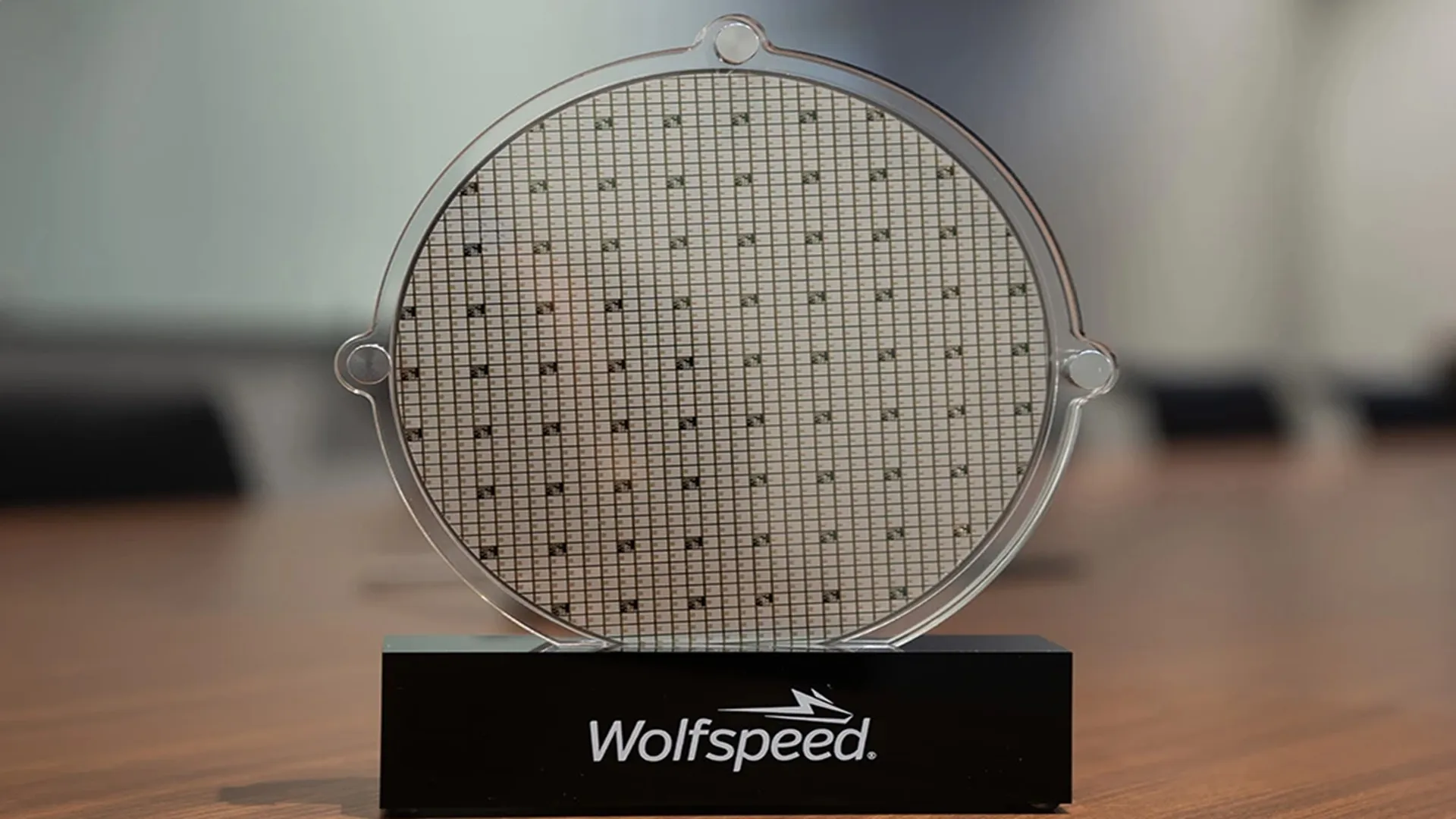
US backs $1.5B conditional loan for chips used in drones, radar, missile defense
The US Department of War has offered semiconductor manufacturer Wolfspeed up to $1.5 billion in...
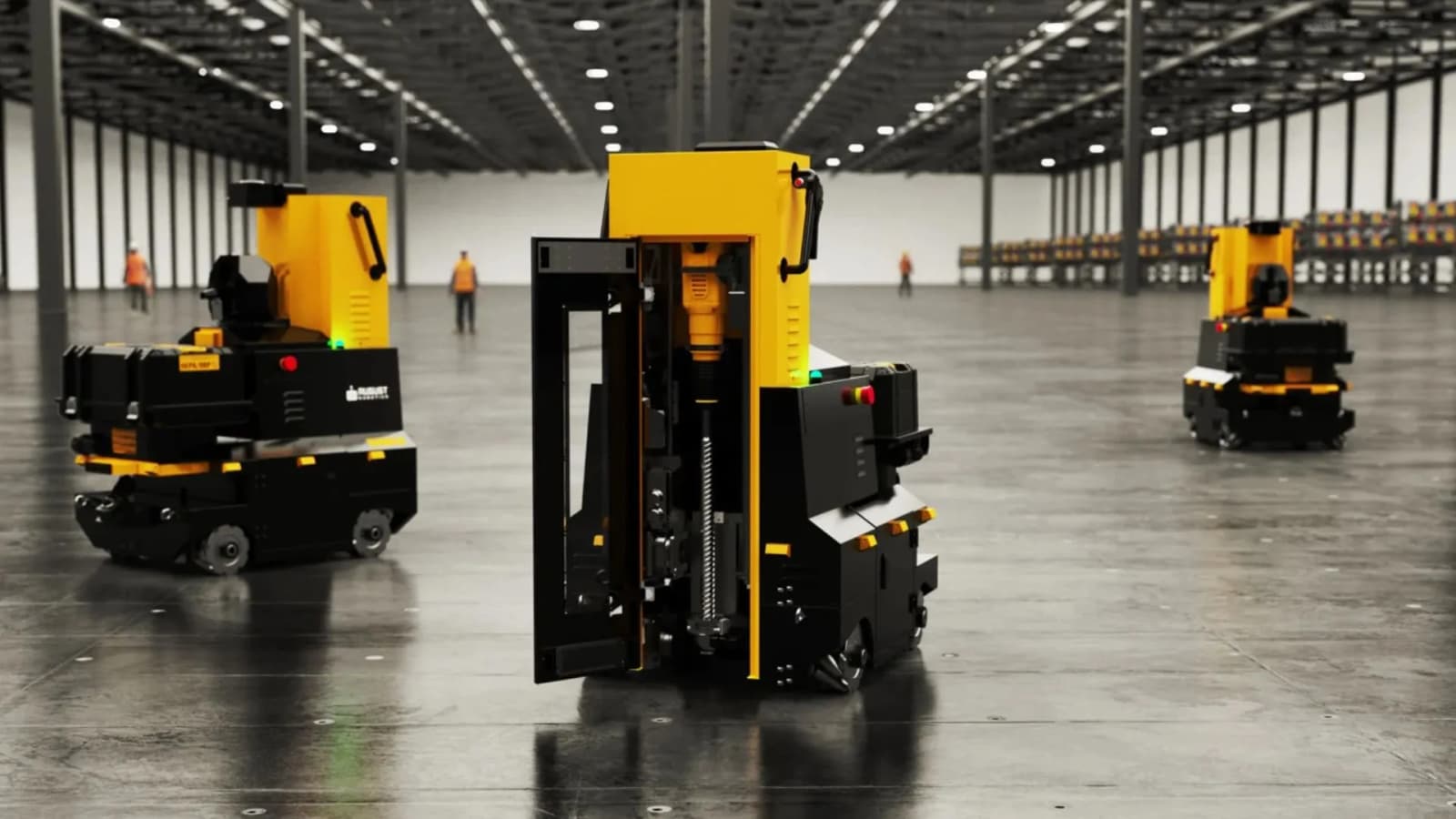
World’s first fleet-capable drilling robot hits 10x speed with 99% accuracy
A drilling robot built for data center construction has already punched more than 385,000 holes...
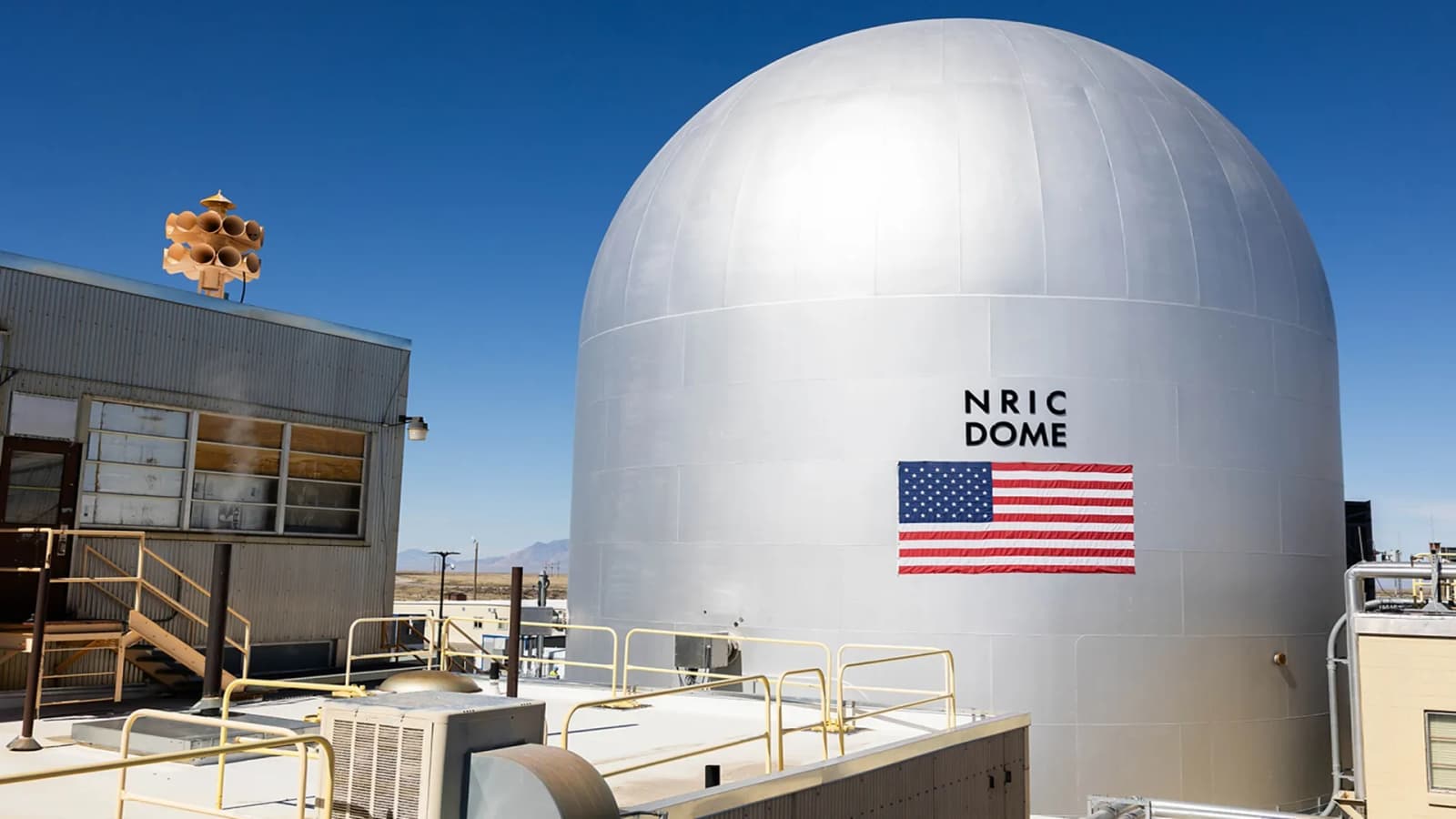
US microreactor that reached criticality in 150 days set for full-power test in 2027
A US-developed nuclear battery that achieved its first controlled chain reaction in roughly 150 days...

Nous Research raises $90 million at $1.5 billion valuation to take its open-source Hermes agent to businesses
Nous Research, developer of the open-source Hermes Agent, has raised a $90 million Series B led by Robot Ventures and is launching Hermes for Businesses, letting companies deploy customized AI agents while keeping their data private.
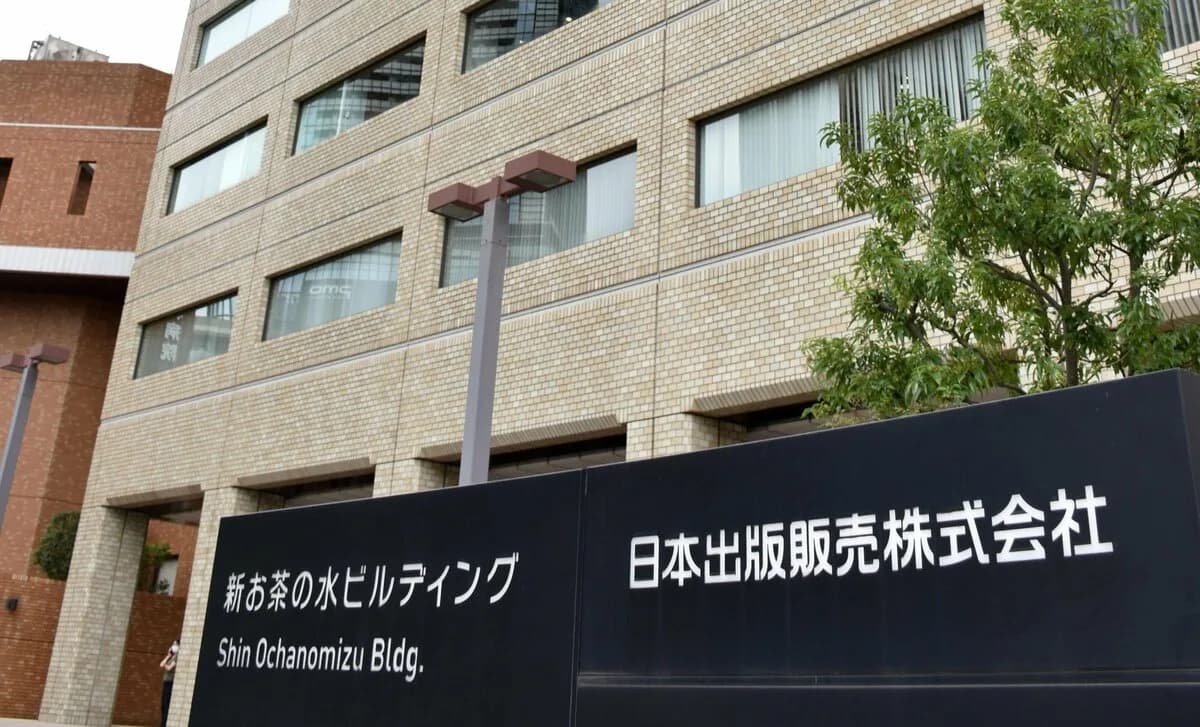
Japanese wholesaler Nippan confirms book sales to Anthropic, deepening publisher concerns over AI training
Nippan Group Holdings has told the Japan Book Publishers Association that a subsidiary sold books to Anthropic from December 2024 to December 2025 but was not aware the purchases were for AI training, according to Jiji Press and Kyodo News.

AI mood sobers at Singapore forums as Temasek, Ray Dalio and officials flag market and existential risks
At the Milken Institute Asia Summit and the Forbes Global CEO Conference in Singapore on October 7, investors and policymakers broadened AI worries beyond valuations to loss of control, AI-designed bioweapons and whether huge spending will pay off.