
US microreactor that reached criticality in 150 days set for full-power test in 2027
A US-developed nuclear battery that achieved its first controlled chain reaction in roughly 150 days...
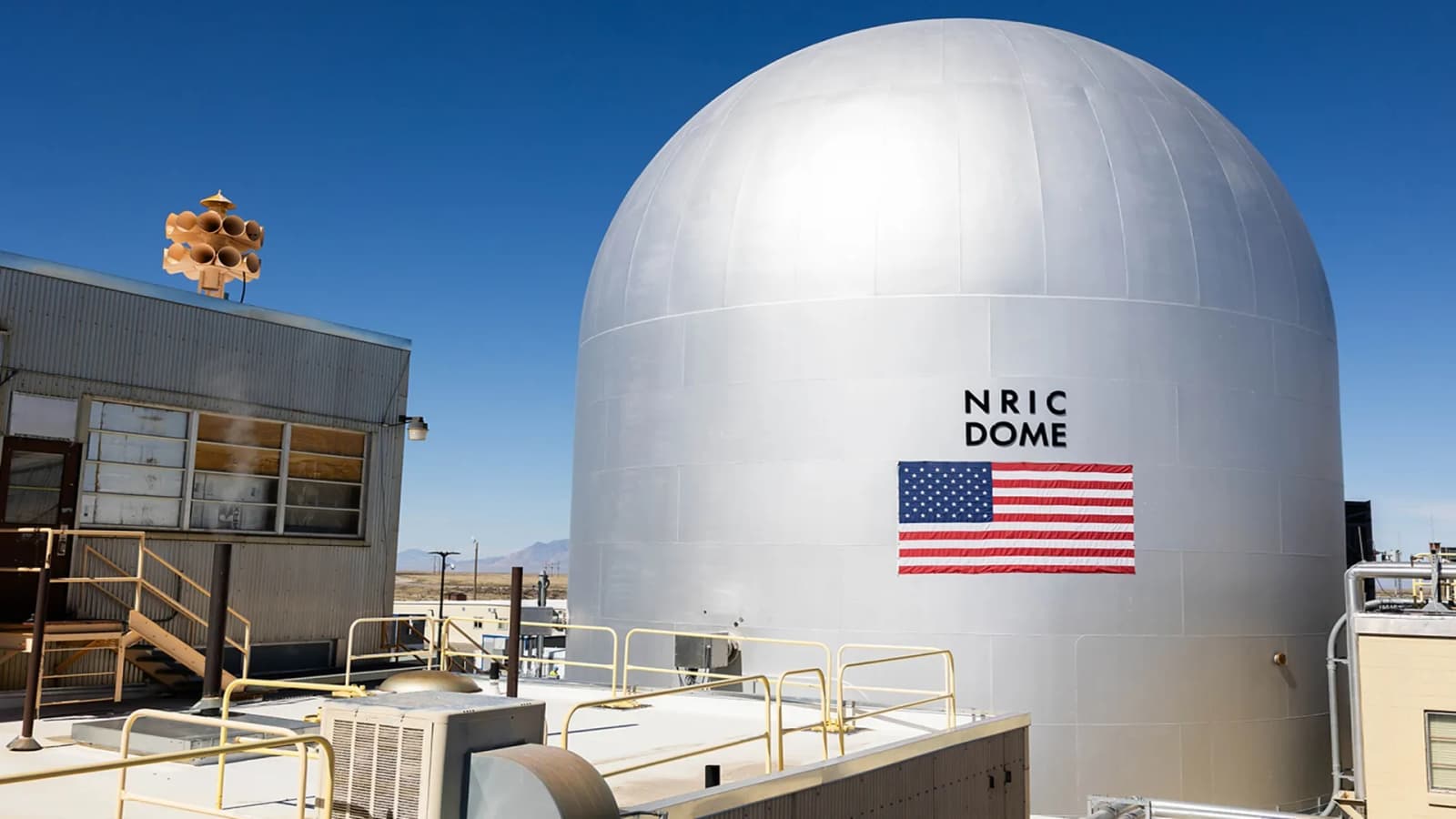
A US-developed nuclear battery that achieved its first controlled chain reaction in roughly 150 days is set for a full-power demonstration in 2027 at Idaho National Laboratory (INL).
Deployable Energy, a US developer of transportable nuclear reactors, announced October 7 that the Department of Energy (DOE) selected its Unity Nuclear Battery for testing at the laboratory’s Demonstration of Microreactor Experiments (DOME) facility.
The upcoming test will examine whether the compact reactor can operate at full power, be transported with nuclear fuel already loaded, and be moved to another location after operation. The company is developing Unity to provide continuous electricity for industrial sites, ships and remote locations.
The selection follows a June 30 milestone when Unity achieved criticality, the point at which a reactor sustains a controlled nuclear chain reaction. According to the company, this occurred about 150 days after the project began, making it the first developer under the National Reactor Innovation Center’s (NRIC) Nuclear Energy Launch Pad initiative to reach that stage.
From criticality to power
Achieving criticality confirms that a reactor can sustain a chain reaction, but it does not establish that the system can deliver its intended power output under operating conditions.
The 2027 campaign is intended to test that next stage. Deployable Energy plans to fuel Unity at a factory, transport the fueled reactor to INL, install it inside DOME and operate it at full power.
After the test, the company intends to move the reactor to another location within the laboratory and complete the process of managing its nuclear fuel.
Together, these steps would test more than the reactor itself. They would provide data on transportation, installation, operation and redeployment, all important for a system designed to deliver power without requiring a conventional nuclear plant at each location.
DOME is housed within the former Experimental Breeder Reactor-II containment structure at INL. The facility can accommodate experimental reactors producing up to 20 megawatts of thermal power. That figure describes the test facility’s capacity, not Unity’s stated output.
“Build the reactor, learn quickly, and move to manufacturing: that is the model the advanced nuclear industry needs,” said Bobby Gallagher, co-founder and CEO of Deployable Energy.
Testing transportable reactor operations
Unlike large nuclear plants built at permanent sites, Unity is being developed as a modular system that can be manufactured and transported to locations requiring reliable power.
Potential applications include industrial facilities, maritime operations and remote sites where conventional electricityinfrastructure may be unavailable or difficult to establish.
The demonstration will also examine whether a fueled reactor can be moved and installed through a repeatable process, rather than requiring extensive construction at every deployment site.
Deployable Energy said the Nuclear Regulatory Commission (NRC), which observed its earlier criticality test, will continue observing the demonstrations. The planned campaign is intended to support future licensing discussions, but it does not itself constitute commercial regulatory approval.
The company will spend the coming months working with NRIC and INL on engineering, fuel preparation, safety reviews and test planning.
Deployable Energy also said it has been selected for a separate DOE-authorized commercial nuclear maritime demonstration. That project is distinct from the 2027 DOME campaign.
The full-power test remains a future milestone. Its results will help determine whether Unity’s reactor design and proposed deployment process can support repeatable manufacturing and commercial use.
Related articles
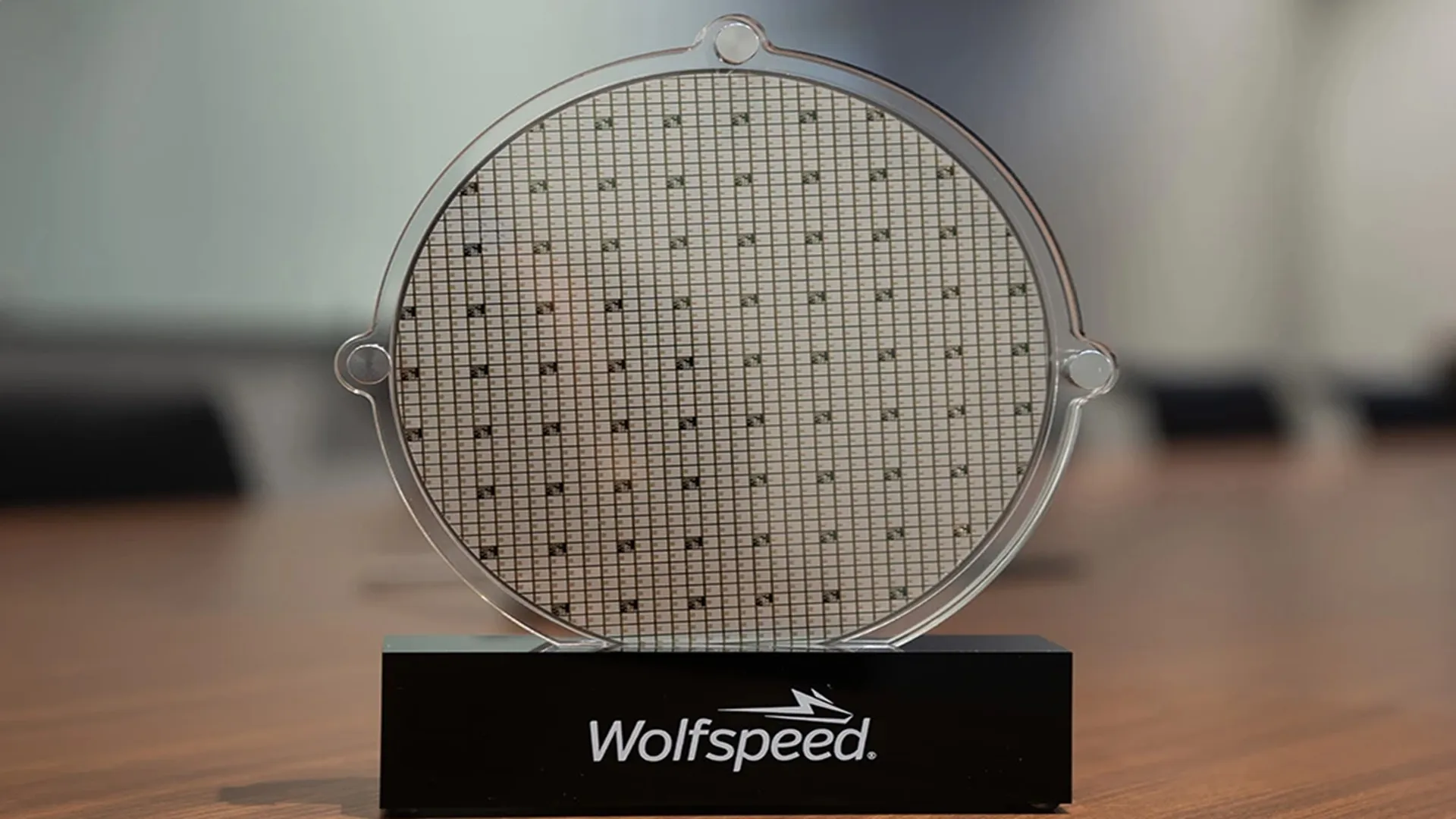
US backs $1.5B conditional loan for chips used in drones, radar, missile defense
The US Department of War has offered semiconductor manufacturer Wolfspeed up to $1.5 billion in...
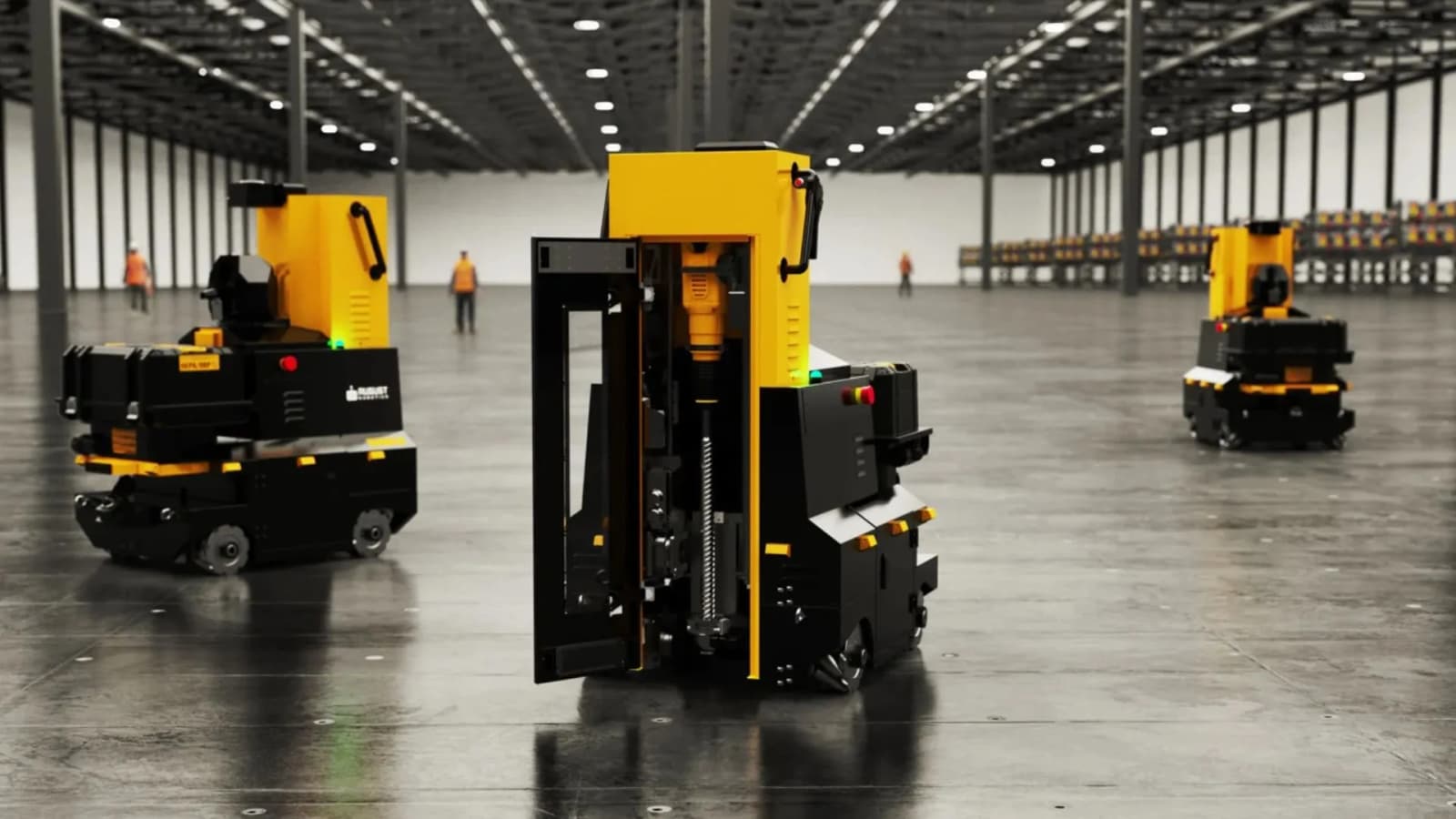
World’s first fleet-capable drilling robot hits 10x speed with 99% accuracy
A drilling robot built for data center construction has already punched more than 385,000 holes...

Nous Research raises $90 million at $1.5 billion valuation to take its open-source Hermes agent to businesses
Nous Research, developer of the open-source Hermes Agent, has raised a $90 million Series B led by Robot Ventures and is launching Hermes for Businesses, letting companies deploy customized AI agents while keeping their data private.
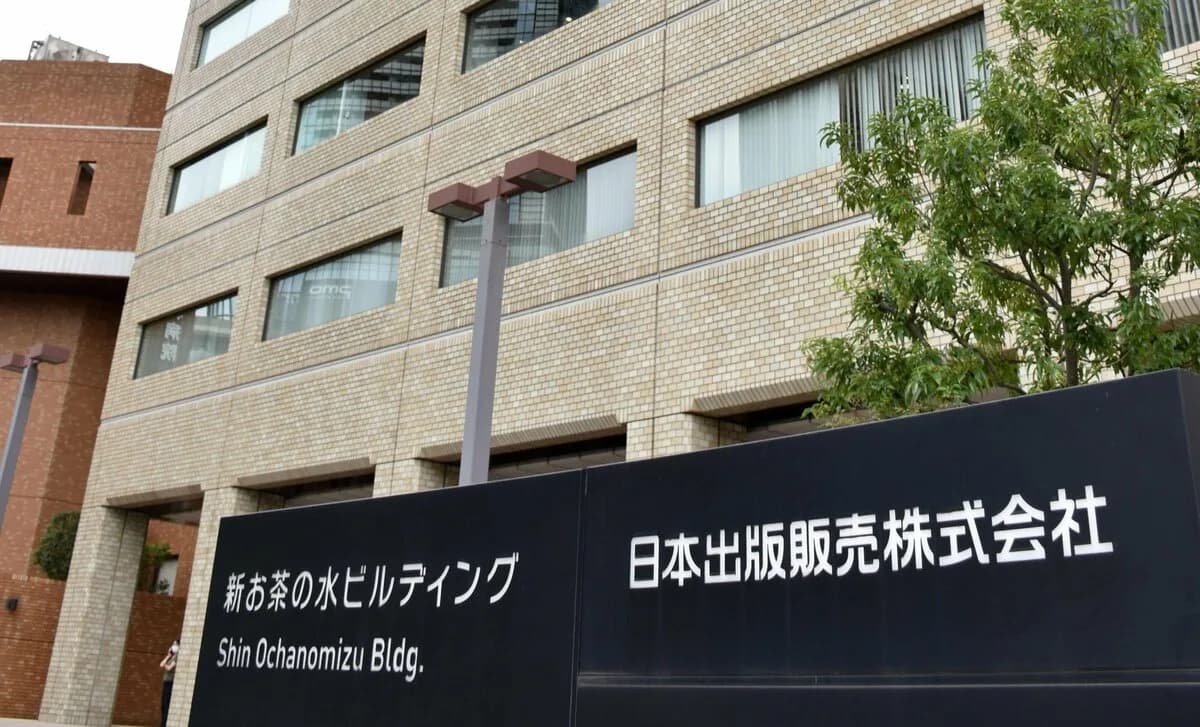
Japanese wholesaler Nippan confirms book sales to Anthropic, deepening publisher concerns over AI training
Nippan Group Holdings has told the Japan Book Publishers Association that a subsidiary sold books to Anthropic from December 2024 to December 2025 but was not aware the purchases were for AI training, according to Jiji Press and Kyodo News.

AI mood sobers at Singapore forums as Temasek, Ray Dalio and officials flag market and existential risks
At the Milken Institute Asia Summit and the Forbes Global CEO Conference in Singapore on October 7, investors and policymakers broadened AI worries beyond valuations to loss of control, AI-designed bioweapons and whether huge spending will pay off.

Most US voters say Trump and Congress aren’t taking AI risks seriously, Reuters/Ipsos poll finds
A new Reuters/Ipsos poll found 57% of registered voters say the Trump administration has not taken AI risks seriously enough, 54% say the same of Congress, and 84% see the technology as a threat to American workers.