
Scientists modify regular camera to measure how well solar cells perform
A camera sold for infrared photography can also measure how well a solar cell works....
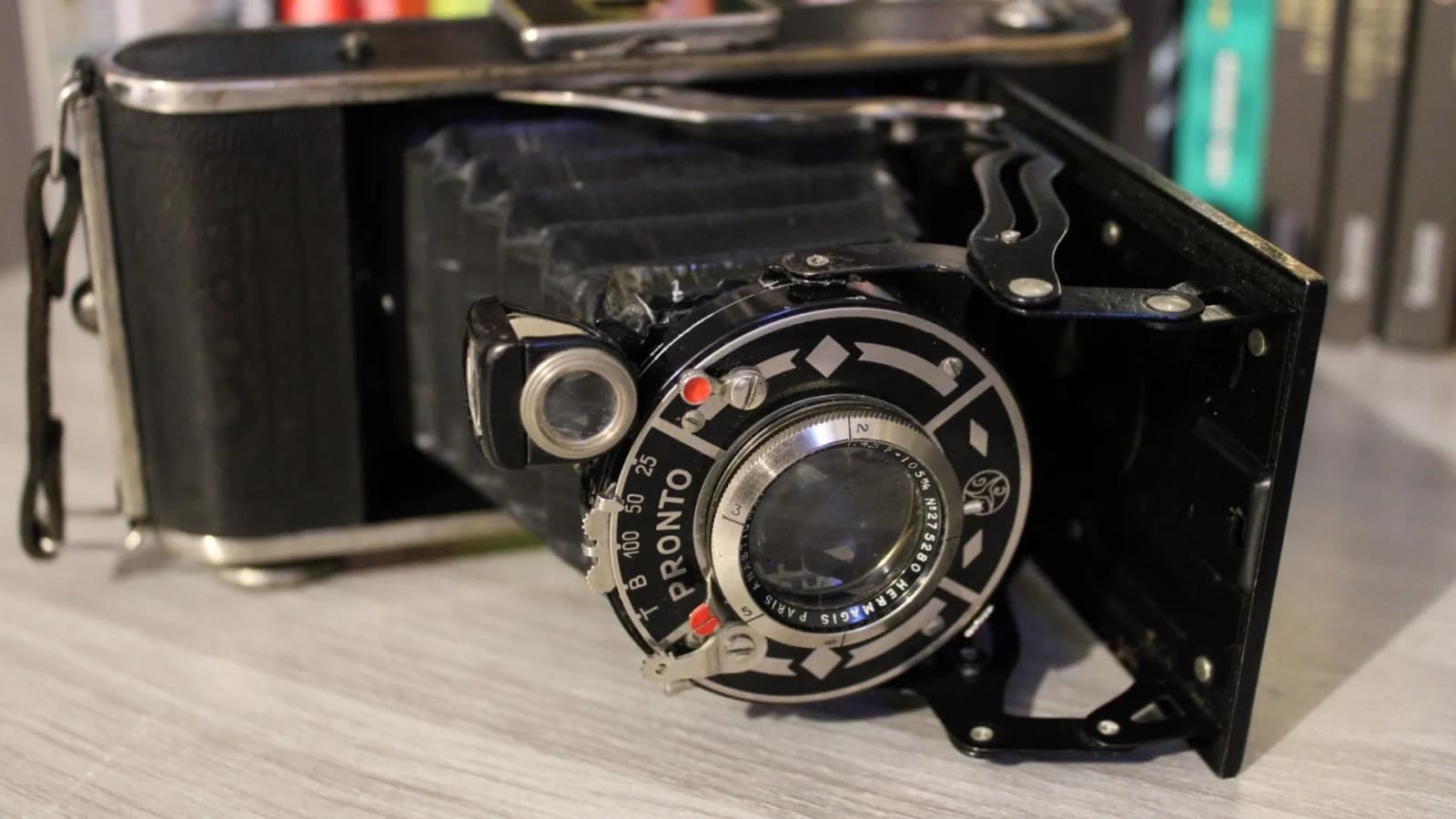
A camera sold for infrared photography can also measure how well a solar cell works.
Researchers in Germany have shown that, with a filter and careful calibration, a commercially available camera can capture the faint light solar cells emit under an applied voltage and turn it into data about their quality.
The team from the University of Stuttgart, Research Center Jülich, and Solarzentrum Stuttgart conducted the research.
They aimed to make a quantitative measurement usually performed with a costly industrial camera using more accessible equipment.
Reading the glow of a solar cell
When electricity is applied to a solar cell, it emits light in the infrared. This process, called electroluminescence, can reveal quality differences across a cell or module that would not be visible in an ordinary photograph.
Researchers use a measure called electroluminescent quantum efficiency to assess that emission. It is directly related to the cell’s voltage. In general, a higher value indicates a better-performing solar cell.
An image alone, however, does not provide a reliable efficiency measurement. The camera’s response to light must be understood and calibrated so that the brightness recorded in each part of the image can be translated into a quantitative result.
“An electroluminescence image contains much more quantitative information than simply showing bright and dark regions,” said Werner.
“With a suitable physical camera model and calibration, it can provide absolute luminescent quantum efficiency and, therefore, information about the local quality of a solar cell or module,” he added.
Adapting a commercial camera
The camera used in the study was already suited to infrared imaging because it lacked the internal infrared-blocking film found in most commercial cameras. Cameras modified this way are also used to photograph the night sky and produce artistic infrared images.
The researchers placed a long-pass filter in front of the camera’s lens to reduce visible background light.
This allowed the camera to record the solar cell’s infrared emission more clearly. They then used a physical model of the camera’s response and calibration to analyze the image’s brightness.
“Our approach shows that even a relatively inexpensive consumer camera can provide quantitative results when its physical response is properly modeled and calibrated,” said author Jürgen Werner.
The result suggests that the equipment needed to capture an image is only part of the measurement. Knowing how the camera responds to the light it receives is what makes it possible to extract a meaningful value from that image.
What the team plans next
The researchers now plan to use the calibrated camera on other solar cells and modules. They want to measure both their quantum efficiencies and open-circuit voltages, which have not yet been characterized.
“Our next step is to use the calibrated camera to determine quantum efficiencies and open-circuit voltages of further, previously uncharacterized solar cells and modules,” Werner said.
“The same model should also be applicable to photoluminescence measurements and potentially to measurements performed in daylight,” he added.
Those applications remain future work. For now, the study shows how a modified commercial camera, paired with a filter and calibration, can produce quantitative information about solar cell quality.
The study was published in The Journal of Applied Physics.
Related articles

Discord will now automatically estimate your age
Discord is rolling out a new global age assurance system, seven months after pausing its previous verification measures following backlash from users.

YouTube is building AI creator tools that do almost everything for them
Part of the job of a content creator is to figure out how to get their work in front of the most people.

This $199 GPS sports watch is repairable, modular, and open-source
The Una Watch costs less than most Garmin watches now that its price has been lowered from the Kickstarter offer of $350 to $199, but its modular, repairable design grabbed my attention first.

One of the best Metroid games for the Switch is 30 percent off
Nintendo’s “Customer Appreciation” sale continues through September 26th.


McDonald’s is testing ads on its drive-thru menus
McDonald's is putting ads on its drive-thru menu as part of a "limited" pilot at company-owned restaurants, according to a report from Bloomberg.