
China unleashes 13-foot robot titan with 39 hydraulics to crush over 1,100 pounds
China’s NeodraDynamics Robotics has introduced a heavy-duty humanoid robot designed to handle industrial workloads beyond...
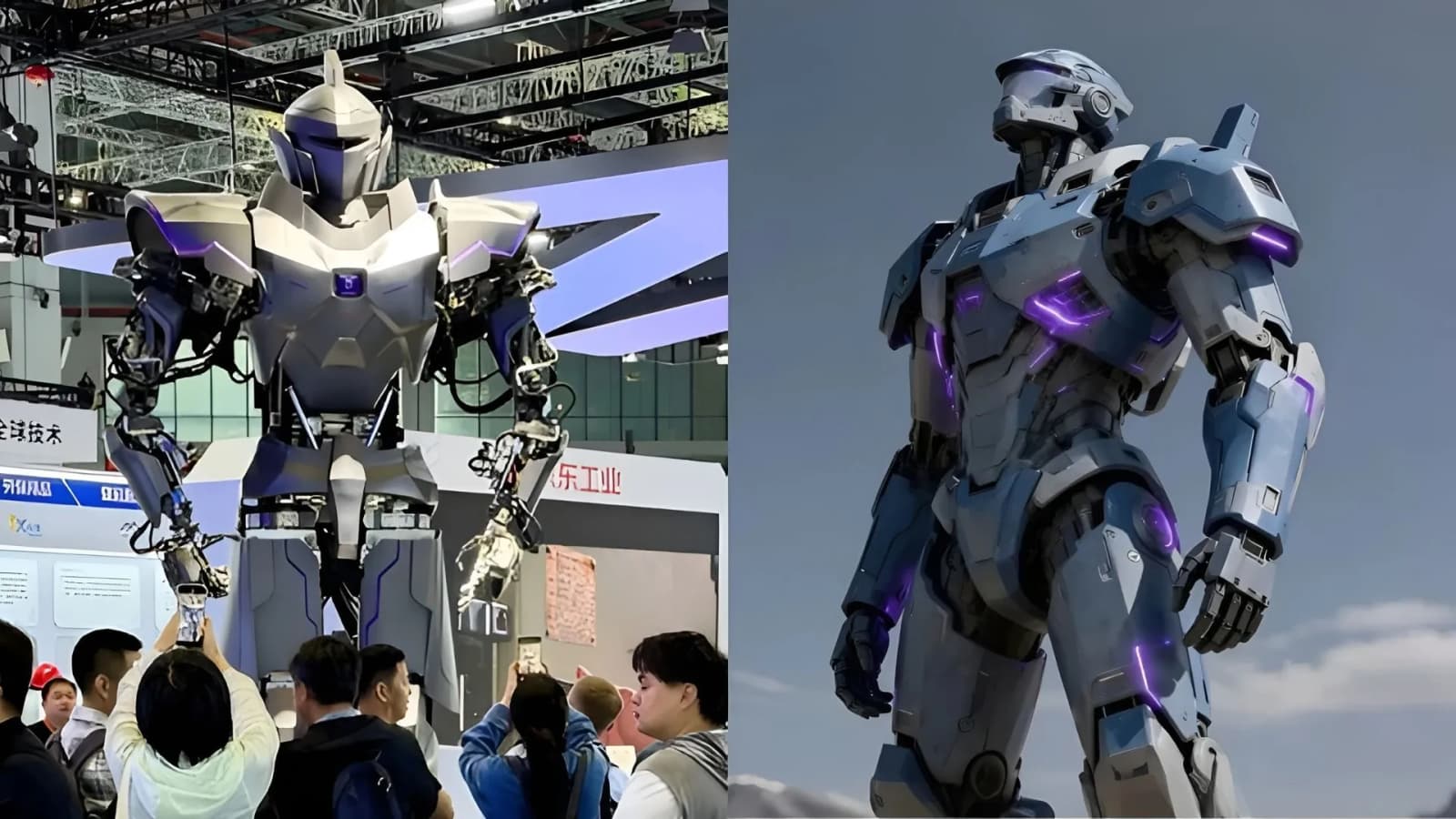
China’s NeodraDynamics Robotics has introduced a heavy-duty humanoid robot designed to handle industrial workloads beyond the capabilities of conventional electric machines. Called Neo1, the 13-foot-class robot combines hydraulic actuators with electric drives to deliver substantial lifting force and precise movement.
NeodraDynamics unveiled the machine alongside JD Industrial at the 2026 China International Industry Fair (CIIF). Its design targets demanding environments where workers face heavy loads, hazardous materials, or extreme operating conditions.
Hydraulic power meets precision
Neo1 uses 41 active degrees of freedom across its body, allowing it to perform complex movements. Thirty-nine joints rely on miniature digital hydraulic actuators developed by NeodraDynamics. Electric drives handle the remaining two rotational joints in its forearms.
Each hydraulic actuator weighs approximately 2.2 pounds and reportedly generates continuous thrust measured in tons. The system supports a combined two-arm payload of 1,102 pounds, according to the company.
Despite its emphasis on raw power, Neo1 also targets precision tasks. NeodraDynamics claims the robot achieves repeatable positioning accuracy of ±0.0002 inches. That specification could make the platform suitable for demanding assembly work that requires controlled movement under heavy loads.
Hydraulics give machines high force output in compact packages, but they also introduce engineering challenges. Engineers must manage fluid pressure, sealing, heat, and control complexity. Neo1 combines hydraulic force with electric servo control to balance load capacity and positioning accuracy.
Built for harsh environments
NeodraDynamics sees applications beyond conventional factory floors. The robot could handle heavy-component assembly and cargo movement at industrial ports. Its hydraulic architecture also targets operations where impacts, contamination, or extreme conditions can challenge conventional robotic systems.
Nuclear facilities present another potential application. The company says radiation-resistant hydraulic modules could support nuclear fuel handling and equipment maintenance. Such deployments would require validation against facility-specific radiation levels and safety requirements.
Underwater engineering and mining also feature in the company’s intended use cases. Neo1’s developers say its architecture can support subsea maintenance under high water pressure. In mines and disaster zones, the robot could assist with demolition, debris removal, and other hazardous tasks.
However, these applications represent intended capabilities, not confirmed operational deployments. The available specifications do not establish how the complete robot performs under sustained industrial use. Field testing would need to demonstrate its endurance, reliability, and practical effectiveness.
Beyond electric-driven robots
Most humanoid robots use electric motors to power their joints. That approach offers precise control but can struggle with the force demands of heavy industrial work. NeodraDynamics is betting that hybrid actuation can expand the range of tasks humanoid platforms handle.
The company was founded by technical experts with backgrounds at Tsinghua University. It develops digital hydraulic components alongside complete robotic platforms, according to its announcement.
Founder Yang Tao said the goal extends beyond copying human anatomy. He argued that robots should exceed human physical capabilities and perform operations that people cannot safely undertake.
Neo1 offers a striking example of that ambition, although its specifications still require independent verification. Its eventual industrial value will depend on how reliably it handles heavy loads outside controlled demonstrations.
Related articles

The AI race is back on
Last week, Anthropic and OpenAI looked like they had the AI race to themselves, pulling ahead with increasingly powerful models that left their rivals in the dust.
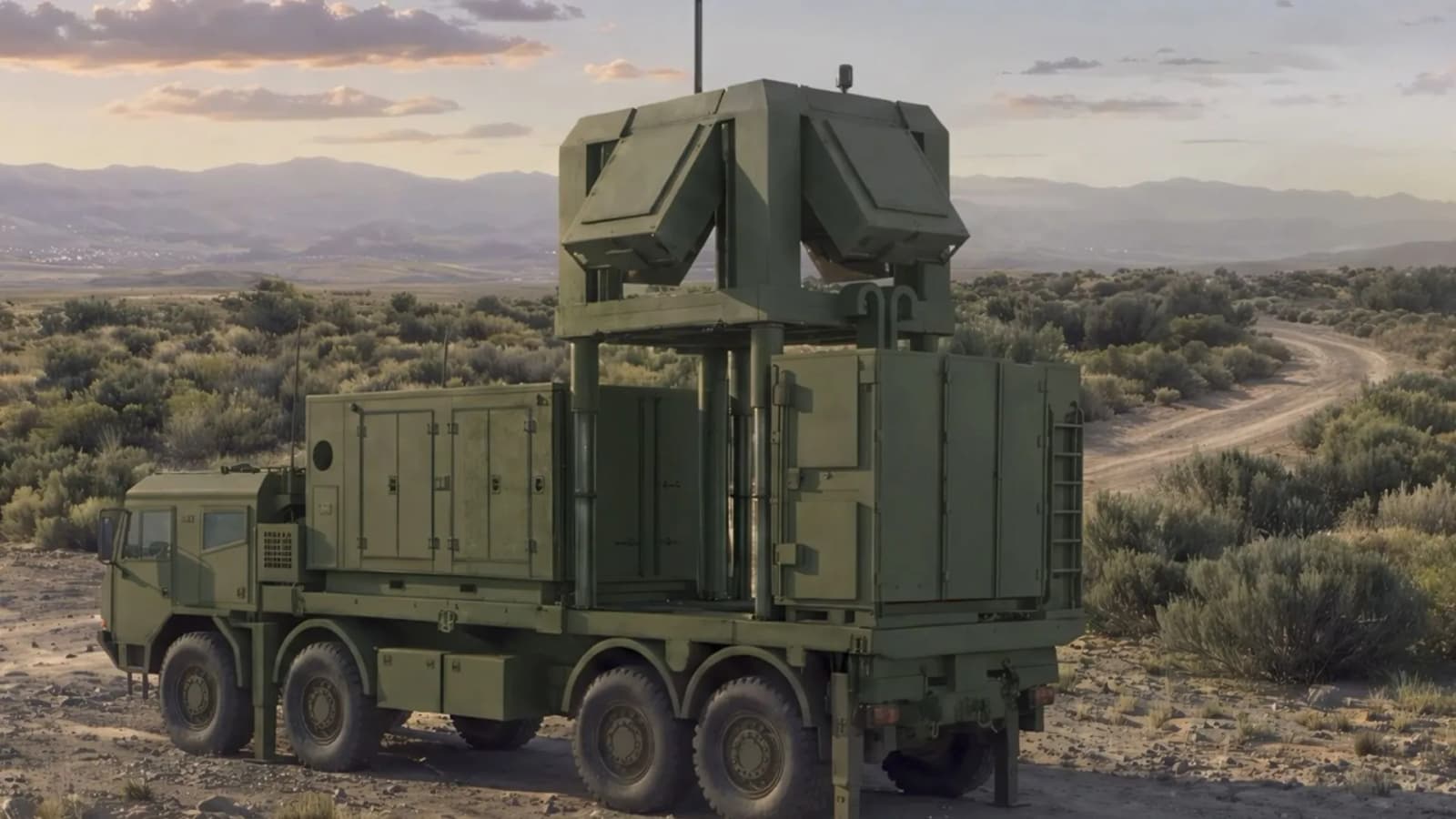
New 360-degree air defense radar with detection range exceeding 205 miles can transform warfare
Leonardo DRS has launched its new cxMHR radar and begun initial production of the system,...

Save up to 20 percent on gift cards for REI, Barnes & Noble, and more
While we cover a lot of deals on specific products, it’s rare that we find worthwhile savings on gift cards that let you save on essentially anything the store sells.

YouTube sticks new labels on AI-generated songs
YouTube is adding a "Made with AI" label to tracks that were "altered or fully generated" using AI, with a similar approach to its existing process for applying AI labels to videos.

As a TV enthusiast, I was hoping for more from the Apple TV 4K
It's been four long years since the last Apple TV 4K was released, and in that time there have been lots of hopes and dreams for features in whatever comes next.

Now that Character.AI is going bankrupt, what happens to all of its users’ data?
New York Attorney General Letitia James revealed a years-long multi-state investigation against Character.