
New floating nuclear power project secures 4.95% enriched uranium fuel for testing
Bluecore Energy has purchased low-enriched uranium for its first nuclear energy system, as per an...
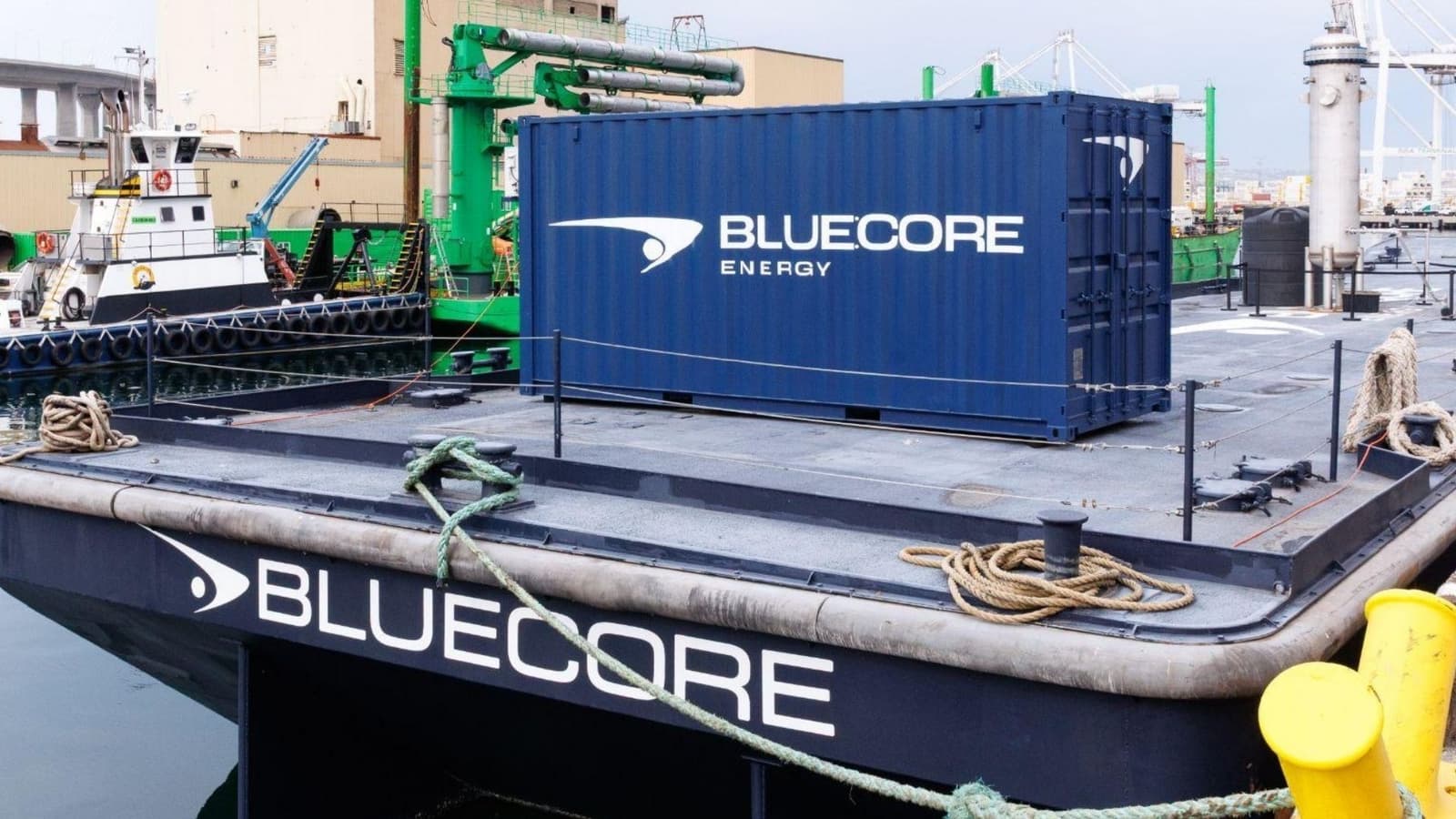
Bluecore Energy has purchased low-enriched uranium for its first nuclear energy system, as per an October 13 announcement. The purchase moves the team closer to fuel fabrication and testing for its compact floating reactor.
The California-based company secured uranium hexafluoride (UF₆) enriched to 4.95 percent uranium-235 through nuclear fuel intermediary WMC. The material is being held at a US nuclear fuel facility outside California while Bluecore advances plans for fuel fabrication, testing, and validation.
The purchase moves the development effort beyond reactor design and non-fueled hardware toward establishing a physical fuel supply. However, Bluecore has not yet reported operating a fueled reactor, and the announcement does not establish a timeline for its first fueled tests.
From enriched uranium to nuclear fuel
The purchased uranium is in the form of UF₆, which is used during the enrichment stage of the nuclear fuel cycle. Before it can be used in a conventional reactor fuel assembly, the material will undergo further processing.
Bluecore will eventually convert the UF₆ into uranium dioxide (UO₂), which it can manufacture into fuel pellets and assemble into nuclear fuel.
Securing enriched uranium establishes an important part of the fuel supply pathway, but it is only one stage in developing an operational nuclear energy system. Fuel fabrication, qualification, testing, and regulatory requirements remain ahead.
WMC operates across the front end of the nuclear fuel cycle and supports customers with uranium procurement, conversion and enrichment products, logistics, storage, financing, and processing.
Regulatory work advances alongside engineering
Bluecore is pursuing its regulatory and technical development in parallel. In August, the company began pre-application engagement with the US Nuclear Regulatory Commission (NRC), presenting a conceptual overview of its design and discussing its proposed regulatory strategy with agency staff.
The US Coast Guard also participated in the meeting. Its involvement comes as the NRC and Coast Guard establish a framework for coordinating on civilian maritime nuclear projects.
These discussions are part of the company’s efforts to address the requirements for both nuclear technology and its intended maritime deployment. Pre-application engagement does not constitute a construction or operating license.
The company has also secured an Approval in Principle (AIP) from the American Bureau of Shipping (ABS) for its floating nuclear power plant design. Awarded in June 2026, the approval was the first ABS AIP for a US-designed floating nuclear power plant.
The assessment evaluated the concept against the intent of applicable ABS rules and guides and set out a roadmap of technical requirements to address as the design develops. An AIP is an early design assessment, not final authorization to build or operate a nuclear facility.
Developing nuclear power on a floating platform
Bluecore is headquartered at the Port of Long Beach, California, where it is developing its first maritime nuclear energy system and a prototype reactor module without nuclear fuel.
The company says it is designing its technology from the outset for floating maritime platforms rather than adapting a conventional land-based nuclear plant. Depending on the application, potential uses could include ports, coastal infrastructure, and artificial intelligence data centers.
Bluecore has emphasized that it does not operate an active nuclear reactor or store nuclear fuel at its Long Beach headquarters. The enriched uranium it has purchased is held at a separate US nuclear fuel facility.
The company also recently raised $50 million in seed financing, announced less than three months after it emerged from stealth. It says the funding and latest technical milestones are supporting parallel work on engineering, safety, testing, and regulatory engagement.
The next steps include advancing fuel fabrication and qualification while continuing to develop its reactor system and address federal and maritime requirements.
Related articles

The AI race is back on
Last week, Anthropic and OpenAI looked like they had the AI race to themselves, pulling ahead with increasingly powerful models that left their rivals in the dust.
New 360-degree air defense radar with detection range exceeding 205 miles can transform warfare
Leonardo DRS has launched its new cxMHR radar and begun initial production of the system,...

Save up to 20 percent on gift cards for REI, Barnes & Noble, and more
While we cover a lot of deals on specific products, it’s rare that we find worthwhile savings on gift cards that let you save on essentially anything the store sells.

YouTube sticks new labels on AI-generated songs
YouTube is adding a "Made with AI" label to tracks that were "altered or fully generated" using AI, with a similar approach to its existing process for applying AI labels to videos.

As a TV enthusiast, I was hoping for more from the Apple TV 4K
It's been four long years since the last Apple TV 4K was released, and in that time there have been lots of hopes and dreams for features in whatever comes next.

Now that Character.AI is going bankrupt, what happens to all of its users’ data?
New York Attorney General Letitia James revealed a years-long multi-state investigation against Character.