
Raytheon wins massive $24.4B deal to ramp up production of 2,660-mph SM-6 missiles
Raytheon has received a potential $24.4 billion U.S. contract to produce Standard Missile-6 interceptors over...
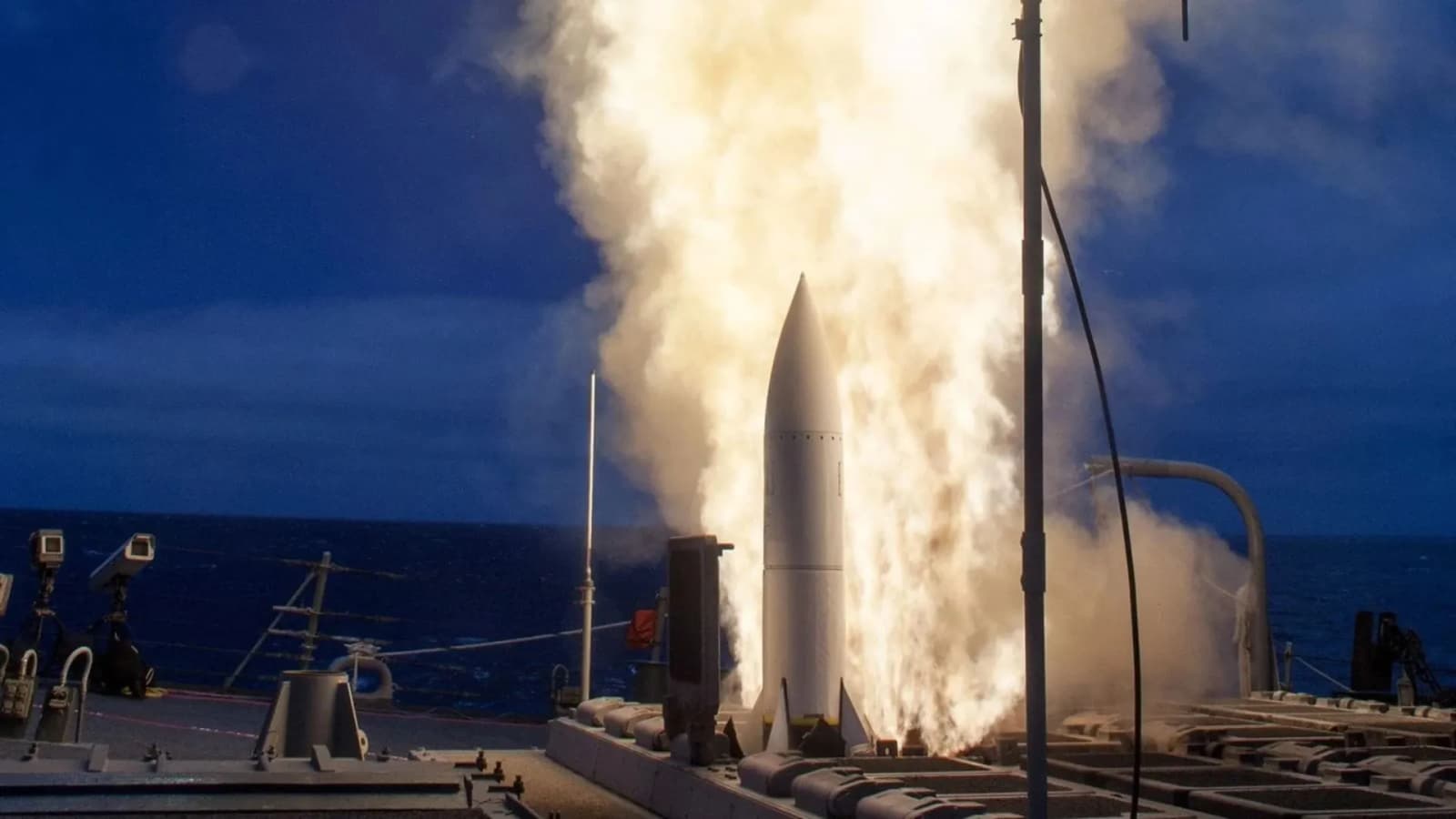
Raytheon has received a potential $24.4 billion U.S. contract to produce Standard Missile-6 interceptors over the next five years.
The agreement also includes two option years, giving the U.S. Navy a longer path for expanding its SM-6 inventory. The missile supports both defensive and offensive missions from ships and land-based launchers.
The size of the award points to a sustained requirement for interceptors capable of handling multiple threats. Raytheon, an RTX business, now plans to increase production capacity to meet that demand.
Missile with multiple roles
SM-6 combines several capabilities within one missile design. It can engage aircraft, surface targets, and ballistic missiles.
The weapon builds on the Navy’s Standard Missile family and has launched from several ship-based platforms. Land-based launchers have also fired the interceptor during testing and operations.
That flexibility gives naval forces another option when a platform faces different types of threats. An SM-6 can support air defense while retaining the ability to engage surface targets.
Raytheon describes SM-6 as its only combat-proven weapon covering those three mission areas. The company has continued expanding production as demand increases across the U.S. defense enterprise.
The missile’s multi-mission design also affects how the Navy can allocate its inventory. A single interceptor type can support several mission requirements without requiring separate weapons for every threat category.
Production capacity takes focus
Meeting that demand will require more than securing additional orders. Raytheon has been expanding its workforce and upgrading manufacturing operations to raise output.
Automation also plays a growing role in the production process. The company says it has invested in facilities while strengthening relationships with suppliers across the defense industrial base.
Those changes target constraints that can limit missile production after funding becomes available. Increasing factory throughput can help Raytheon maintain a steadier flow of interceptors for Navy requirements.
Phil Jasper, president of Raytheon, said the company remains focused on increasing SM-6 availability. He pointed to investments in facilities and operations as part of that effort.
The five-year base period gives the Navy greater visibility into future missile deliveries. Two additional option years could extend that production pipeline if exercised.
Expanding the Navy’s missile stockpile
SM-6 occupies a key role in the Navy’s layered approach to air and missile defense. Its ability to perform different missions allows commanders to employ the weapon against changing threats.
The missile can also operate from different launch environments. That expands the number of platforms capable of employing the system during defensive or offensive operations.
For U.S. sailors, the contract should translate into a larger and more consistent supply of a widely used interceptor. Raytheon now faces the manufacturing challenge of turning the multibillion-dollar commitment into sustained production.
The award also puts greater emphasis on the industrial capacity behind the weapon. More interceptors will require additional workers, suppliers, and factory throughput across the defense manufacturing network.
That production effort will matter as the Navy manages requirements for air defense and ballistic missile threats. The SM-6 order gives Raytheon several years to scale its manufacturing base around those needs.
Related articles

Sling TV drops its one-day cable passes
Dish-owned Sling TV will no longer be offering its Sling Pass feature that allowed people to buy a single day of cable TV programming at a time, as reported by The Desk.

Your brain has 86 billion neurons: Here are 10 facts worth knowing
Your brain makes it possible to recognize voices, recall holidays, or learn new skills. Yet...

New center bids to supercharge nuclear isotope production for deep-space missions
Canada is moving to expand its role in supplying nuclear isotopes that could power spacecraft...
Schneider tests quantum chip that improves home energy forecasting by up to 41%
Australian government-backed Silicon Quantum Computing (SQC), whose investors include telecom giant Telstra and Commonwealth Bank,...
Digital twin tech from US, Korea could predict toxic ammonia leaks on new ships
The US, South Korea and Germany have recently joined forces in order to develop a...
Mapped: The World’s Digital Leaders in 2026
Which economies are the most digitally connected? See how 159 economies rank in the ITU’s 2026 ICT Development Index.