Scientists uncover cannabis from 2,800-year-old Siberian tomb, may have ritual ties
Scientists detected chemical traces consistent with cannabis’ psychoactive compounds in preserved human hair recovered from...
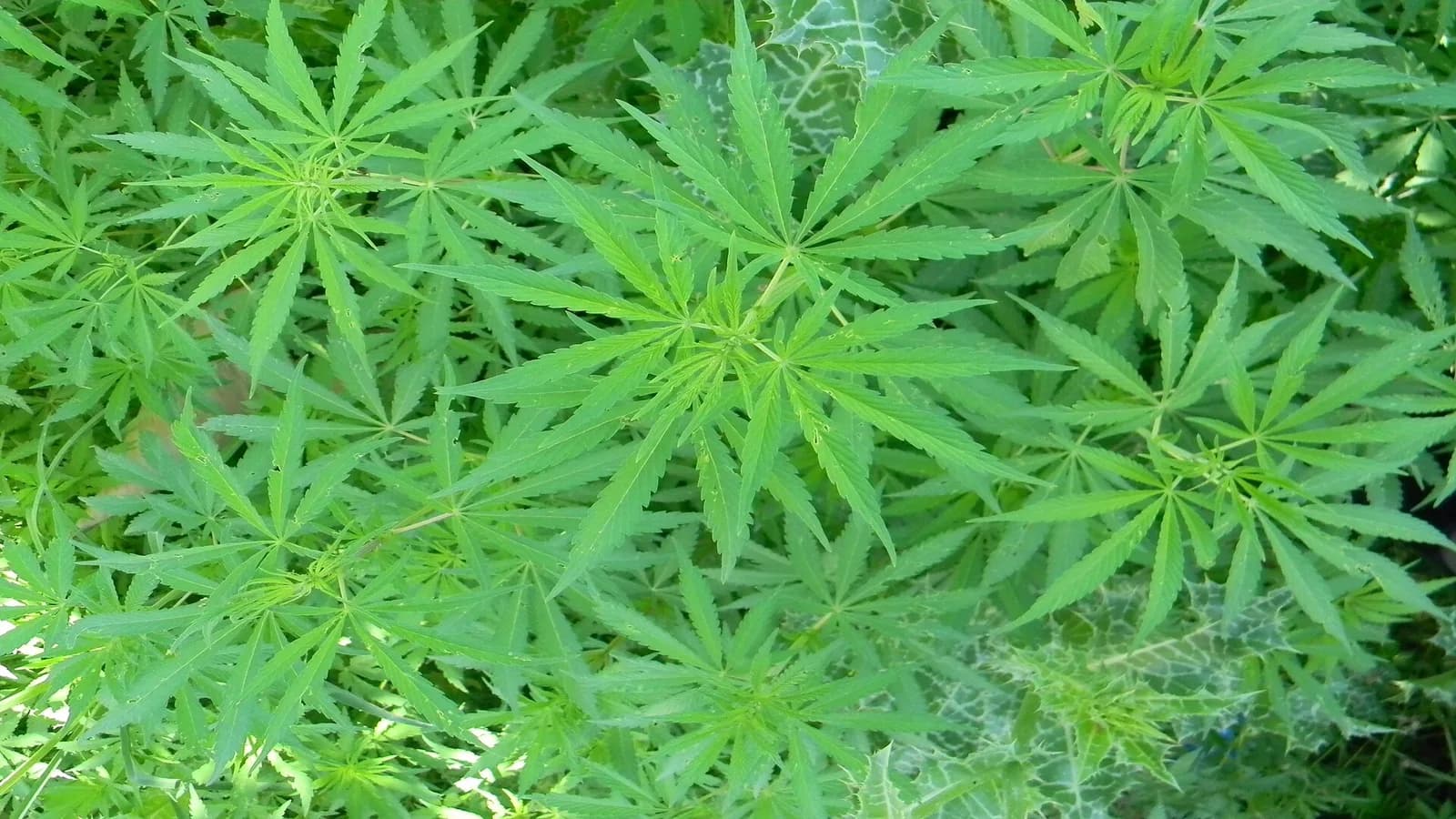
Scientists detected chemical traces consistent with cannabis’ psychoactive compounds in preserved human hair recovered from an ancient Siberian tomb.
An international team led by Gino Caspari of the University of Bern and the Max Planck Institute of Geoanthropology analyzed remains from the Tunnug 1 princely tomb in Russia’s Tyva Republic.
The burial belonged to high-ranking members of the Scythians, a horse-riding culture that roamed the Eurasian steppe.
The findings provide what the researchers described as the oldest directly dated archaeological evidence that cannabis was used for its intoxicating properties about 2,800 years ago.
Cannabis may have ritual links
Researchers recovered about 1,000 cannabis seeds from the burial chamber that they could confirm were deposited in the early eighth century B.C.E.
The seeds show that cannabis played a role in the rituals surrounding the burial.
However, researchers couldn’t confirm how they integrated it into the ritual.
Furthermore, researchers emphasized that cannabis seeds alone couldn’t establish whether the plant was consumed for its intoxicating effects.
That being said, cannabis has historically served several purposes, including serving as material for oil and fiber. However, plant materials such as flowers, leaves, and resins rarely survive the test of time, so they often do not appear in archaeological contexts.
To investigate further, researchers analyzed preserved human hair recovered from the central burial chamber.
With high-resolution mass spectrometry, they identified clear signals consistent with cannabinol (CBN) in several hair samples. Through the oxidation of tetrahydrocannabinol (THC), CBN, the primary intoxicating compound in cannabis, can form. Additionally, researchers detected weaker signals that were consistent with THC, based on their mass, according to the University of Bern.
“This study is particularly insightful because it combines the analysis of plant remains with molecular traces in the human body,” said Caspari.
Hair samples laced with weed
The findings suggest that at least some members of the ancient Siberian elite consumed weed for its intoxicating effects.
“The molecular traces in the hair and the cannabis seeds… suggest that cannabis was used for its intoxicating properties,” Caspari said.
However, the researchers could not determine how much cannabis was consumed or whether it was inhaled or ingested.
The evidence also suggests cannabis played a role in Scythian funerary rituals. The plant remains were recovered alongside elaborate burial offerings, including at least 18 horses arranged around the burial mound, several dozen additional horse sacrifices, and scattered human bones that researchers said indicate human sacrifice.
The team believes the cannabis seeds most likely came from wild plants, although it remains unclear whether they had been cultivated or selectively bred to contain higher concentrations of psychoactive compounds.
The study highlighted that some wild cannabis populations across Eurasia may naturally have contained elevated levels of these compounds.
Researchers are continuing to investigate the plant remains through genetic analysis.
“We have already begun sequencing some of the plant samples,” said Caspari. “DNA preservation is excellent in this case. This will help us learn more about the history of the domestication and spread of this crop soon,” he added.
The findings were published recently in Science.
Get the latest news delivered to your inbox.
Related articles