US ally’s ground robot complete 31,000 missions in just one month, achieve historic feet
According to the Ukrainian Defense Ministry, its armed forces completed a record 31,398 missions using...
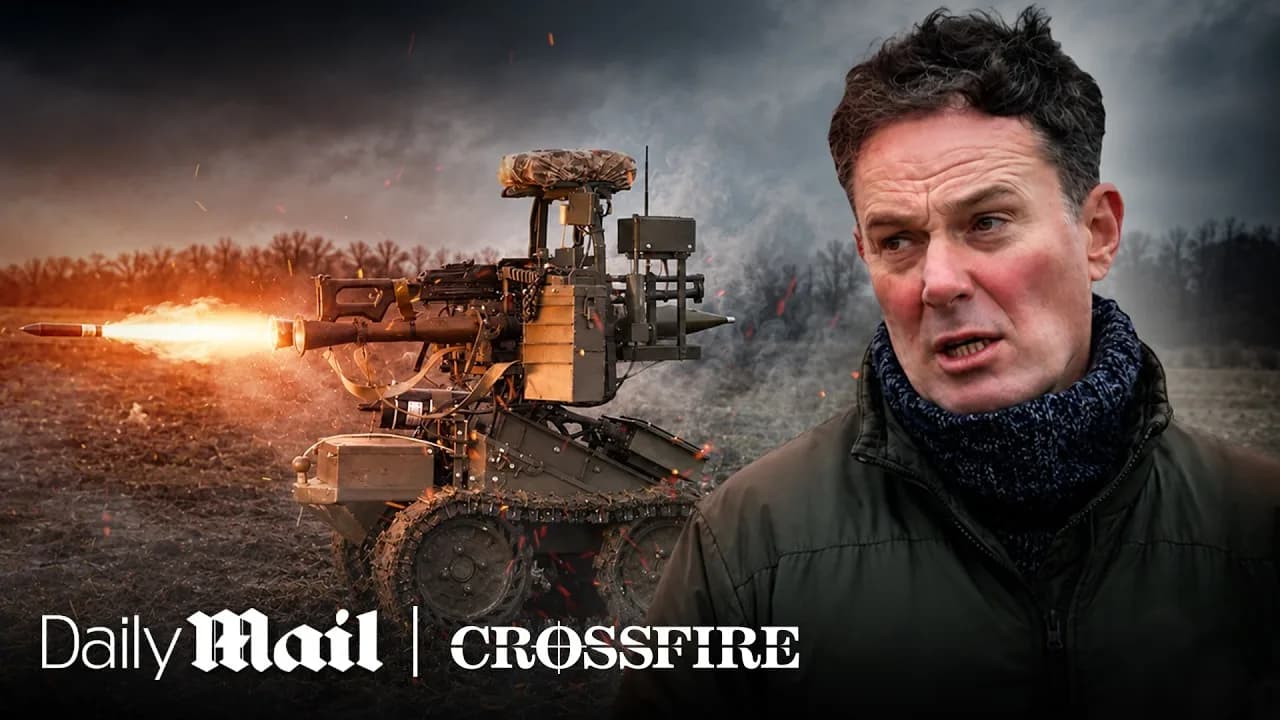
According to the Ukrainian Defense Ministry, its armed forces completed a record 31,398 missions using unmanned ground vehicles (UGVs) last month. The data were recorded using the nation’s Delta situational awareness software.
These numbers reveal just how important technology like this is now in modern warfare. October’s UGV mission total was more than four times the 7,511 missions reported in January.
That’s an approximately 318 percent increase. It also represents an average of just over 1,000 robotic missions a day throughout the month.
Such growth goes to show that UGVs have matured from what was largely an experimental technology to a bulwark of Ukraine’s national defense. It also appears to reveal that UGVs are increasingly being used for jobs that would traditionally have been done by soldiers.
“UGVs are the technology that makes it possible to minimize the risk to humans on the front,” the Defense Ministry said.
UGVs growing in importance
As for the drones in question, UGVs are ground-based robotic platforms that can be remotely operated. They come in various configurations, including small wheeled or tracked platforms capable of transporting ammunition, food, water, and medical supplies.
Some are used to evacuate wounded soldiers, while others carry weapons, perform mine-clearing operations, or launch aerial drones. Most importantly, they can operate in areas where sending a conventional vehicle and its crew would be extremely dangerous.
So, why the apparent massive growth in their use? Well, the main concept you need to understand is something called the “kill zone.” In the past, armies brought logistical equipment, men, and vehicles close to the front line.
But the proliferation of inexpensive first-person-view (FPV) aerial drones has made this incredibly dangerous. The kill zone is the area where the need to deliver logistics overlaps with the range of FPVs.
To counter this, Ukraine can send a comparatively small unmanned vehicle. The supplies still arrive, but no driver is exposed to the attack. This doesn’t make the robot invulnerable.
But it does transfer much of the immediate risk from human beings to replaceable equipment. As for the nation’s “e-points system,” this is also an interesting element of the story.
Going into the danger zone
Essentially, it is a system that gives military units credits for verified operations. These credits can then be redeemed for things like more drones, electronic warfare (EW) systems, or other military equipment.
It’s effectively a performance-linked procurement mechanism. Rather than relying entirely on traditional top-down equipment allocation, units can earn purchasing power by completing verified missions.
A seemingly logical system, but one that could inadvertently promote unwanted behavior for Ukraine’s units. It could, for example, inspire units to optimize for whichever activities earn the most credits, rather than what the front line and Ukraine’s defenses actually need.
All very interesting, but there is some important context missing that apparently isn’t publicly available. For example, what were the mission success rates? How many lives were saved? How reliable were the UGVs?
For now, that remains unclear, but it would be interesting to see just how impactful UGVs are actually becoming.
Source: https://interestingengineering.com/military/ukraines-battlefield-robots-sees-surge-in-missions
Get the latest news delivered to your inbox.
Related articles