
The EU’s next chapter in AI is agentic
New analysis shows how agentic AI adoption is growing across EU enterprises and small businesses—and where deeper use could unlock more value.
Related articles
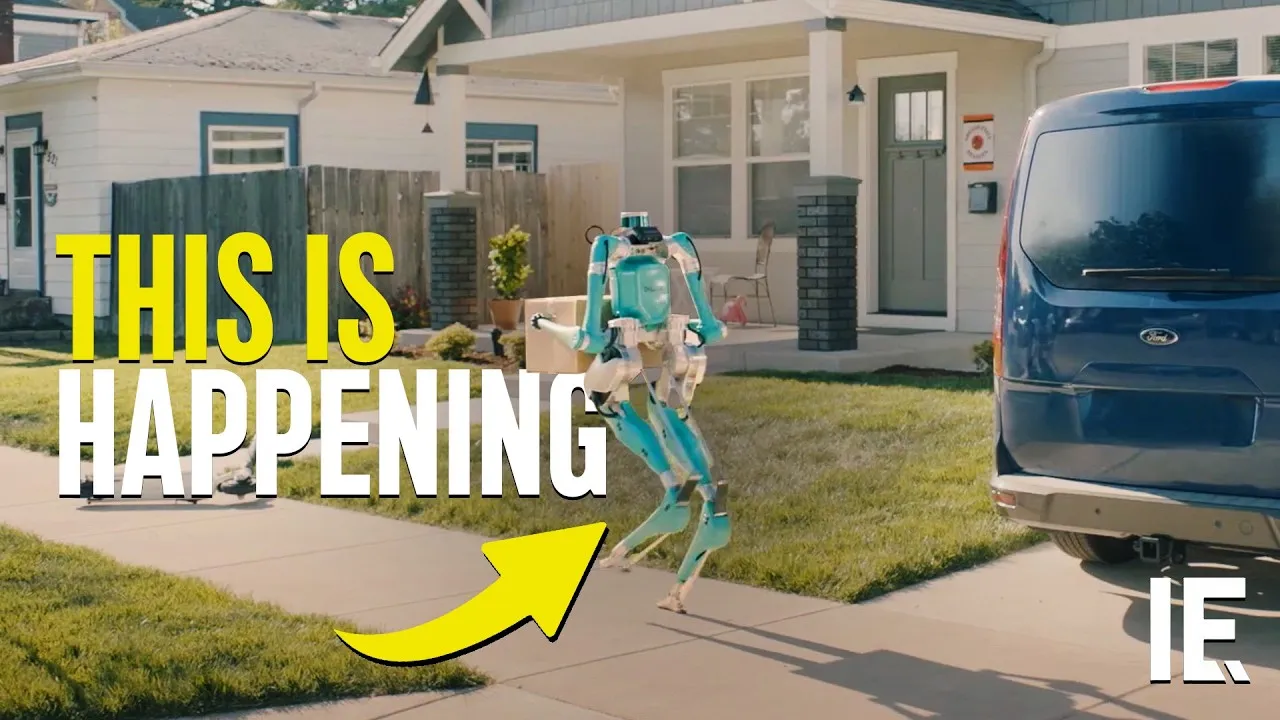
Humanoid robot learns to duck, step over objects, and avoid obstacles with new system
Galbot introduced PASSAGE, a research framework that helps humanoid robots navigate cluttered environments by adapting...
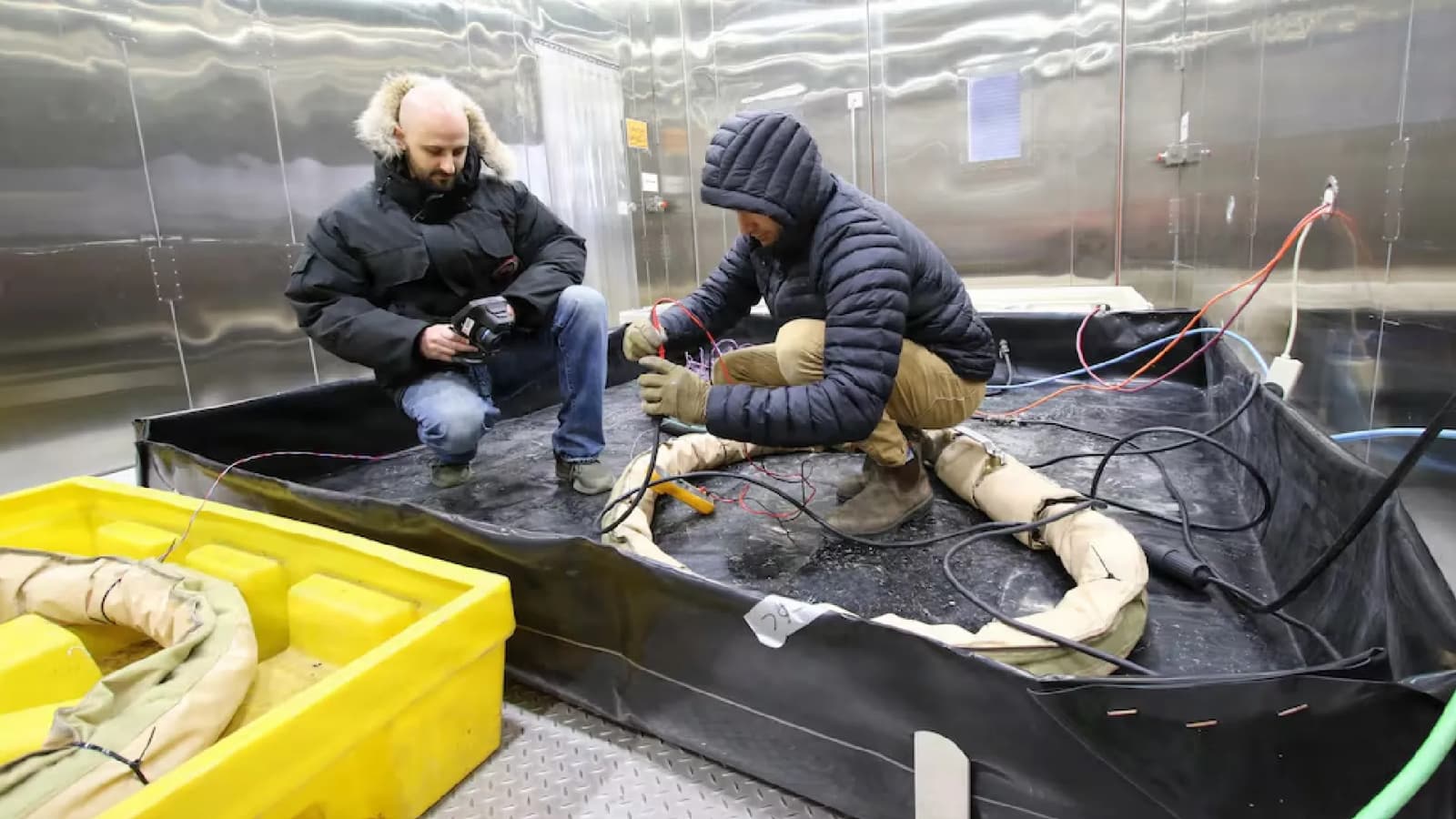
US Army and Navy labs push TRICON Arctic shelters from minus 15 to minus 65 degrees
U.S. Army and Navy engineers have pushed a deployable shelter system built around Triple Container,...
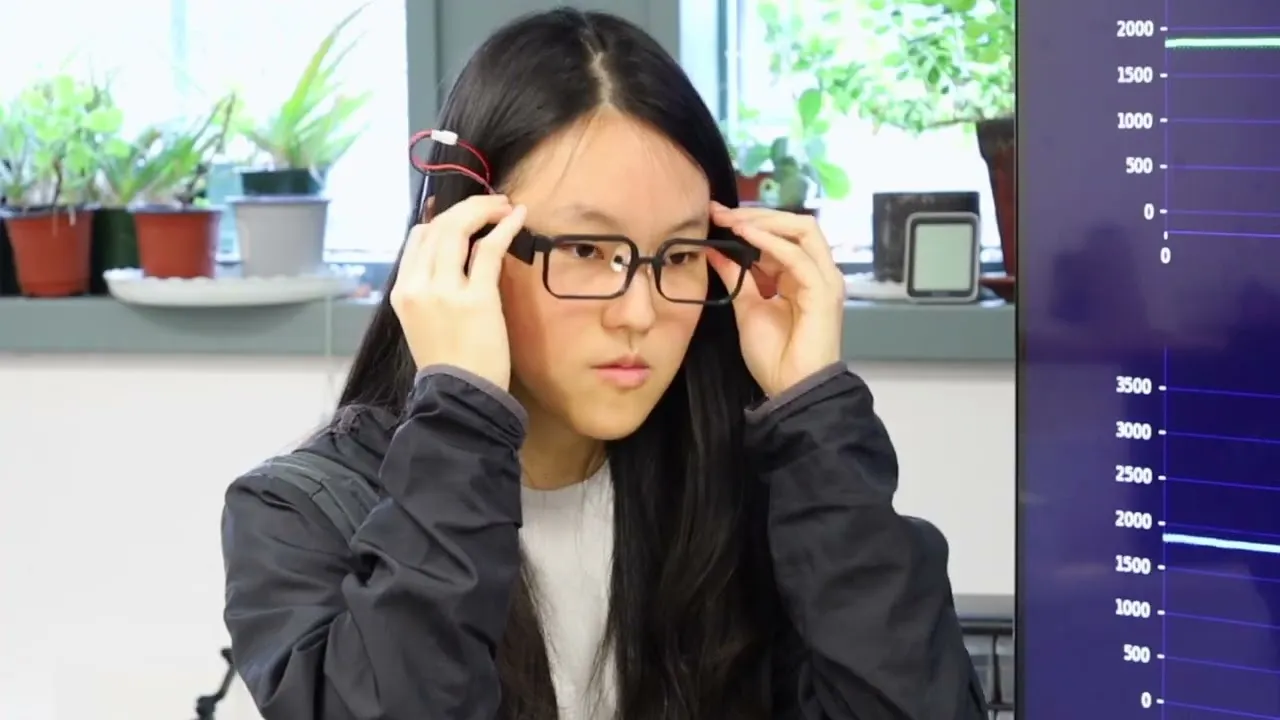
Battery-free smart glasses use blinks and jaw movement to sense pulse and chewing
Everyday eyeglasses could one day track heart activity, jaw clenching and eating habits without a...

Tiny chip stores memories in flowing water without conventional electronics
Yale researchers have found a way to make flowing fluids remember what happened before, using...
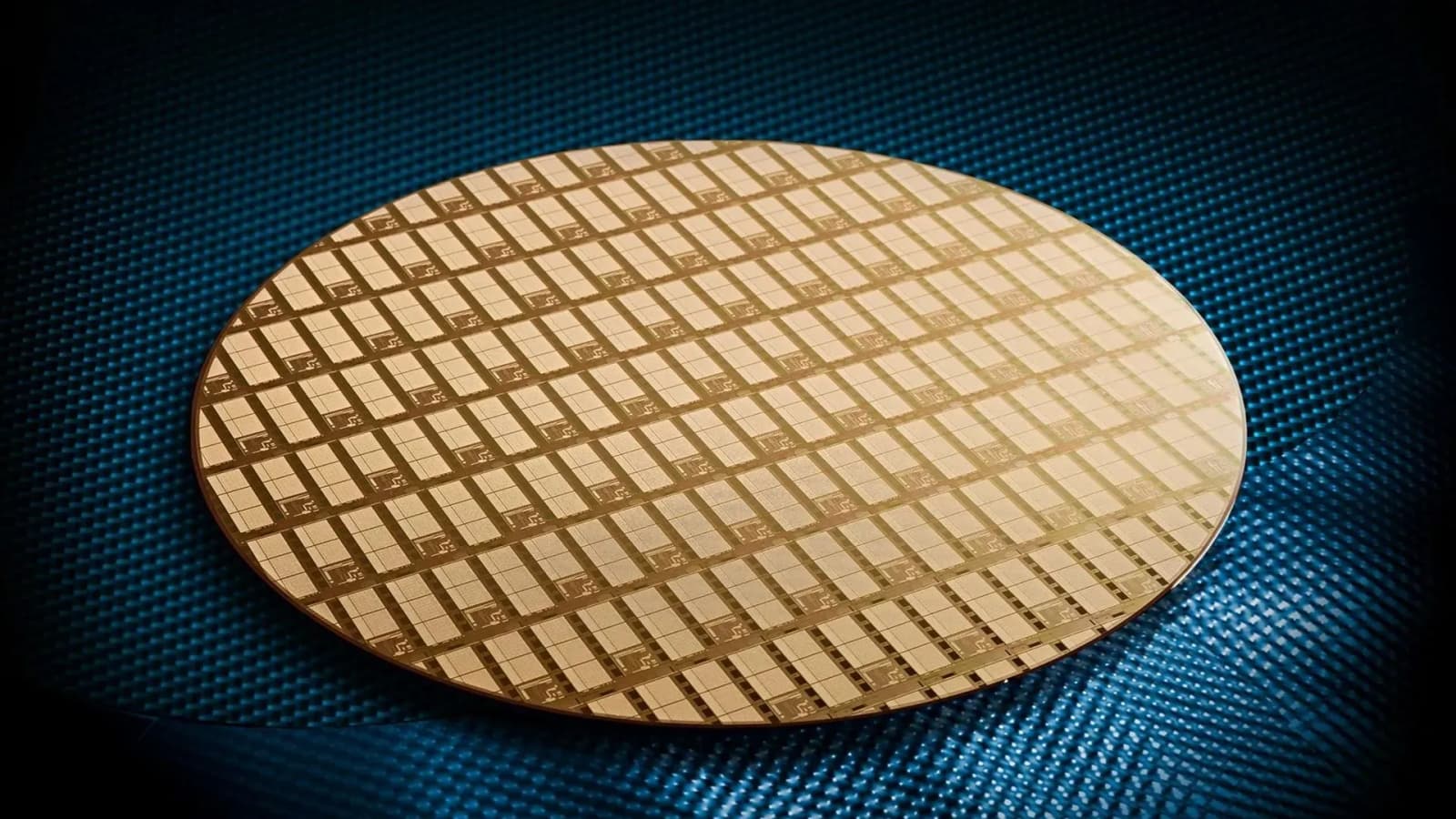
Oxygen-based chipmaking method controls 2D crystal growth with over 99% success
Researchers in South Korea have developed a semiconductor manufacturing technique that controls where individual crystals...

Meta releases Muse Wonder, its first frontier model for personal and professional agents
Meta’s Superintelligence Lab launched Muse Wonder and Muse Wonder Full, its first frontier-class models, emphasizing Active Memory and long-running agent work. Wonder is available via the Meta Model API and Muse Code; Wonder Full is limited to Muse Code subscribers.