
US Army and Navy labs push TRICON Arctic shelters from minus 15 to minus 65 degrees
U.S. Army and Navy engineers have pushed a deployable shelter system built around Triple Container,...
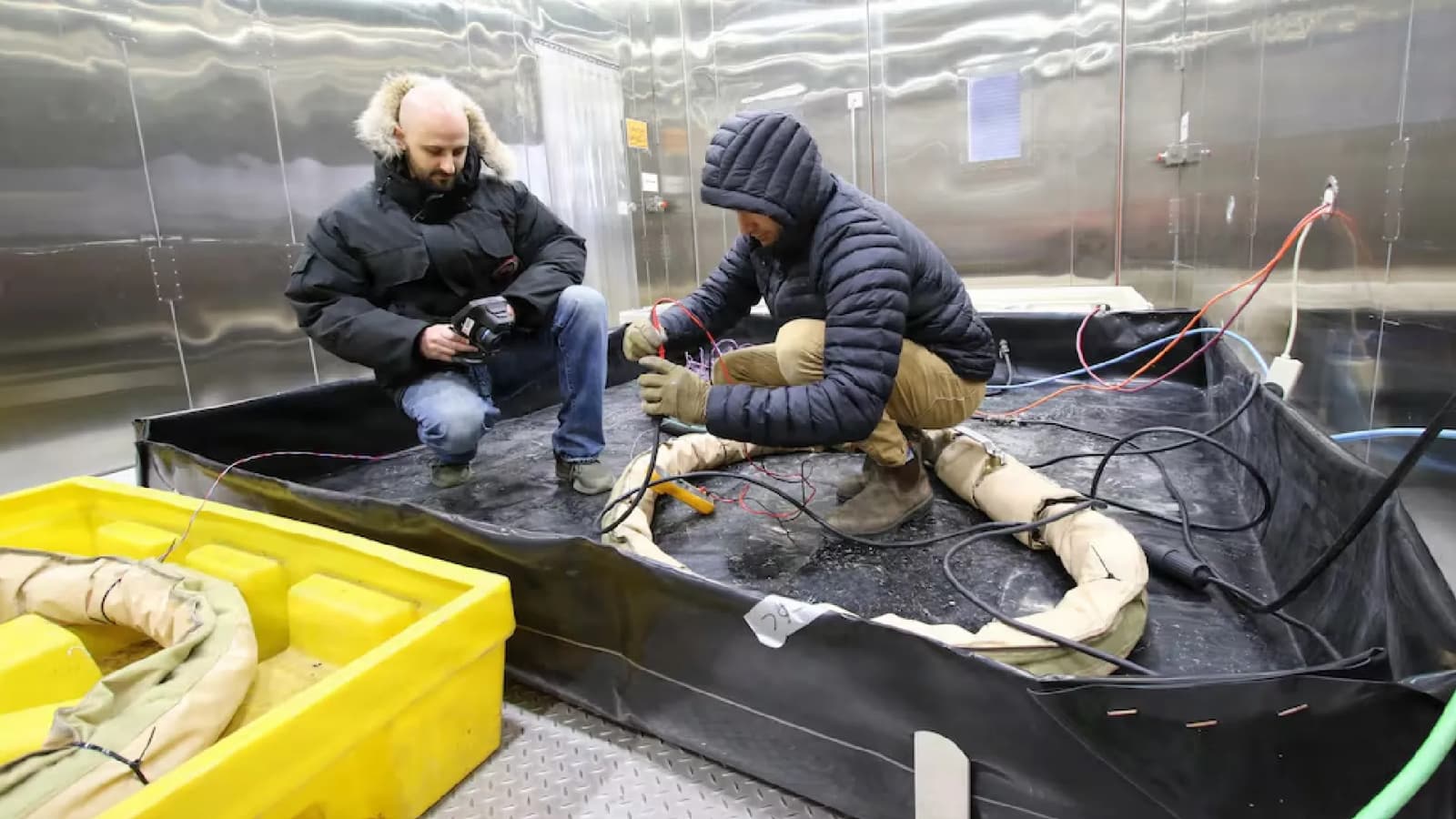
U.S. Army and Navy engineers have pushed a deployable shelter system built around Triple Container, or TRICON, units to keep working at minus 65 degrees Fahrenheit, well past its original goal and a big jump from the minus 15 degrees the fielded version can handle.
The work was done by the Army’s Cold Regions Research and Engineering Laboratory, known as CRREL, and the Naval Facilities Engineering and Expeditionary Warfare Center, or NAVFAC EXWC, Defense News reported, citing a recent Army release.
Where cold breaks the kit
In the Arctic, the equipment that keeps troops healthy is as vulnerable to freezing as anything else. Hoses, valves, bladders and pumps are especially prone to cracking and icing, which can knock latrines, laundry and showers offline. Basic sanitation has long influenced the outcome of military operations, and in extreme cold, ice becomes the main enemy, the report said.
Rather than redesign the whole system, the team tested different arrangements of thermal wrapping, insulation and other components around those weak points. The target was a shelter system that could operate at minus 50 degrees Fahrenheit. It did better, remaining functional down to minus 65.
Winter on demand
Testing took place in CRREL’s Extreme Cold Chamber in New Hampshire, a 288-square-foot room that can drop to minus 90 degrees Fahrenheit. Researchers including Dan Tague and James Pilkington conducted cold-hardening tests there. Military units usually have to wait for the Alaskan winter to peak to simulate such conditions, but the chamber let the team recreate them on demand in a controlled setting.
Why Arctic matters
The Defense Department’s 2024 Arctic Strategy pointed to Russia’s full-scale invasion of Ukraine, Finland and Sweden’s entry into NATO, deepening cooperation between China and Russia, and accelerating climate change as reasons to rethink its approach. It described the region as a venue for strategic competition and said the United States intends to build a more persistent presence there.
Comfort and reach
Beyond the obvious comforts for personnel, such as toilets, laundry and showers, the improvements widen the military’s operating footprint, said Pilkington, a project manager in NAVFAC EXWC’s Expeditionary Technical Department. “This extends the operational range of base camps in terms of geographic locations and durations,” he said, which in turn stretches force posture.
Tague, a research chemist at CRREL, one of seven Army Engineer Research and Development Center laboratories, said troops live and work in extremely cold, difficult conditions. Working facilities, he said, matter for their physical and mental health in the Arctic and other high-north environments.
The shelter upgrade is a small, unglamorous piece of Arctic readiness. Defense News framed it as a reminder that before any advanced weapon matters in the far north, the systems that keep people warm, clean and healthy have to work first.
Related articles

Humanoid robot learns to duck, step over objects, and avoid obstacles with new system
Galbot introduced PASSAGE, a research framework that helps humanoid robots navigate cluttered environments by adapting...


Battery-free smart glasses use blinks and jaw movement to sense pulse and chewing
Everyday eyeglasses could one day track heart activity, jaw clenching and eating habits without a...
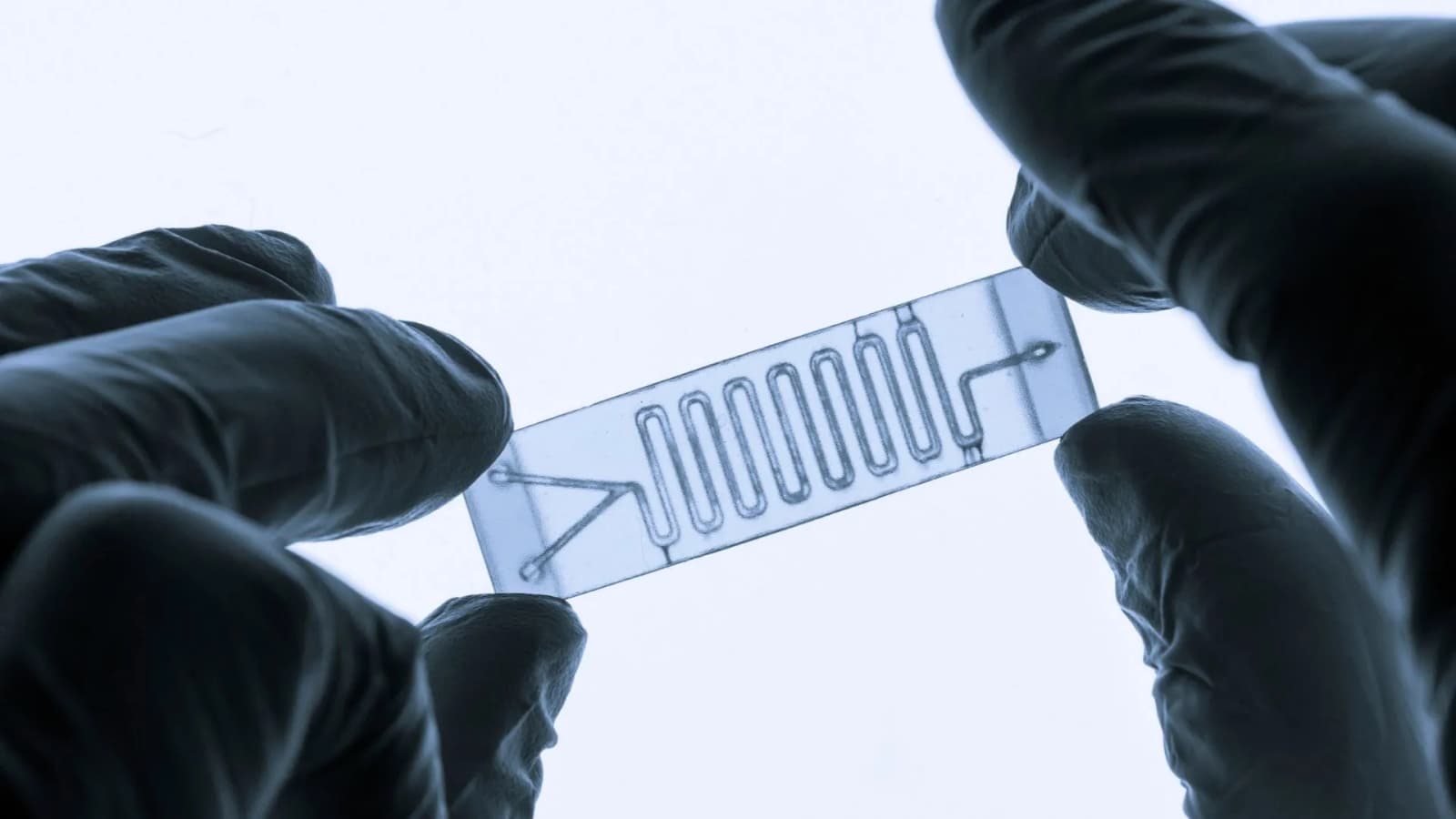
Tiny chip stores memories in flowing water without conventional electronics
Yale researchers have found a way to make flowing fluids remember what happened before, using...
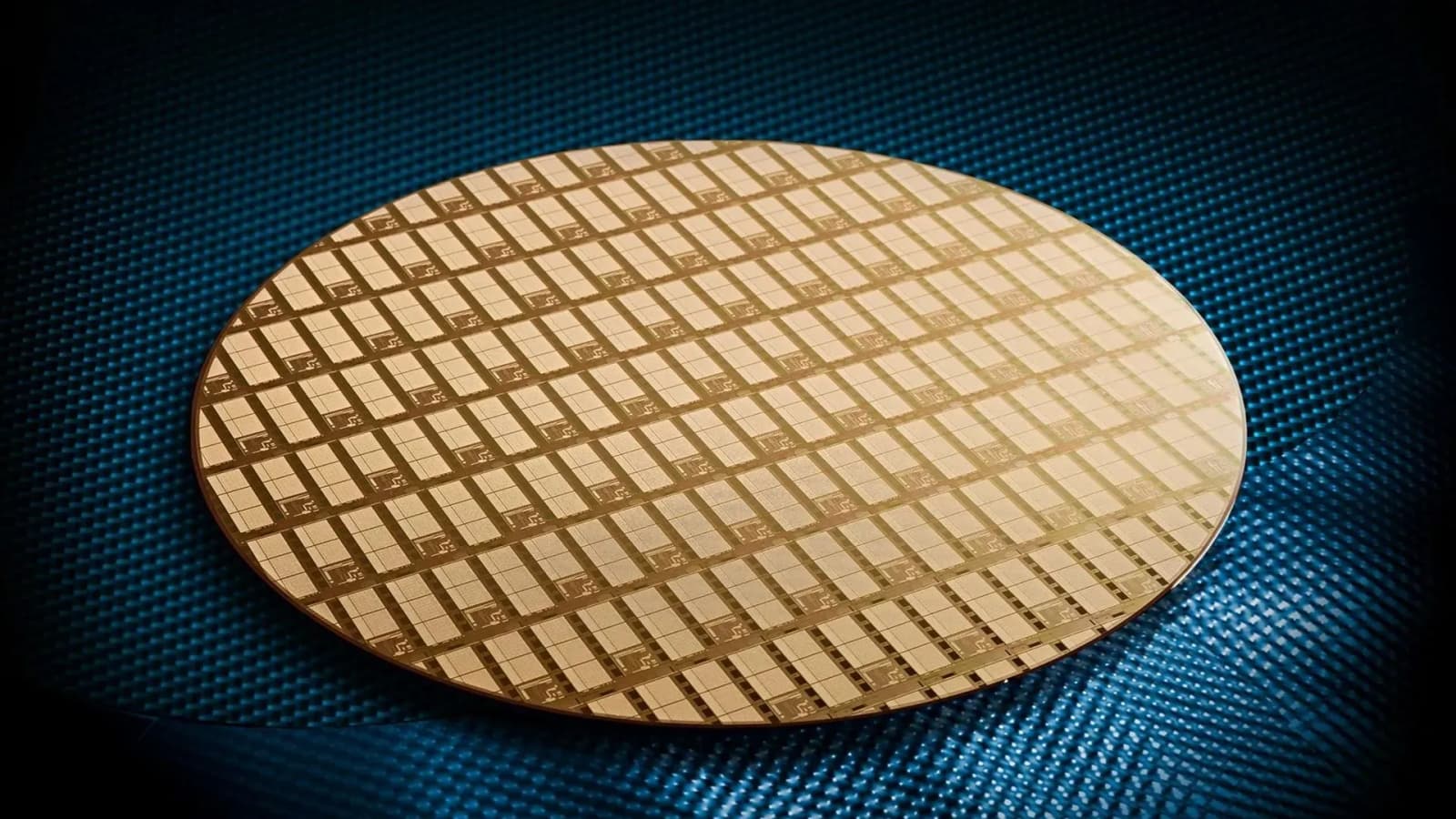
Oxygen-based chipmaking method controls 2D crystal growth with over 99% success
Researchers in South Korea have developed a semiconductor manufacturing technique that controls where individual crystals...

Meta releases Muse Wonder, its first frontier model for personal and professional agents
Meta’s Superintelligence Lab launched Muse Wonder and Muse Wonder Full, its first frontier-class models, emphasizing Active Memory and long-running agent work. Wonder is available via the Meta Model API and Muse Code; Wonder Full is limited to Muse Code subscribers.